Quick ConsultHoursDirectionsAll Menus
EYELID REVISION

Asymmetry Correction · Conjoint Fascia Sheath Surgery

Precise correction, including in cases of severe ptosis.

"

Asymmetry correction begins
with an accurate plan.

"The cause of asymmetry differs from one patient to the next. The first step is determining whether the appropriate approach is unilateral correction or refinement of both sides to achieve true symmetry."

— Dr. Choi Dong-Il, Director

ABOUT

What Is Eyelid Asymmetry Correction?

An approach tailored to the underlying cause: hollowing of the upper lid, uneven fold height, or unilateral ptosis.

Unilateral or Bilateral, Depending on the Cause

Asymmetry correction requires a careful diagnostic plan. When the imbalance is driven by hollowing of the upper eyelid, fat grafting is used. When the cause is uneven fold height, the adhesion of the existing fold is first released and a new line is created at the appropriate height. Whether the correction is performed on one side or both depends on which approach produces the most balanced overall result.

※ Surgical and recovery details may vary depending on the patient's individual condition.

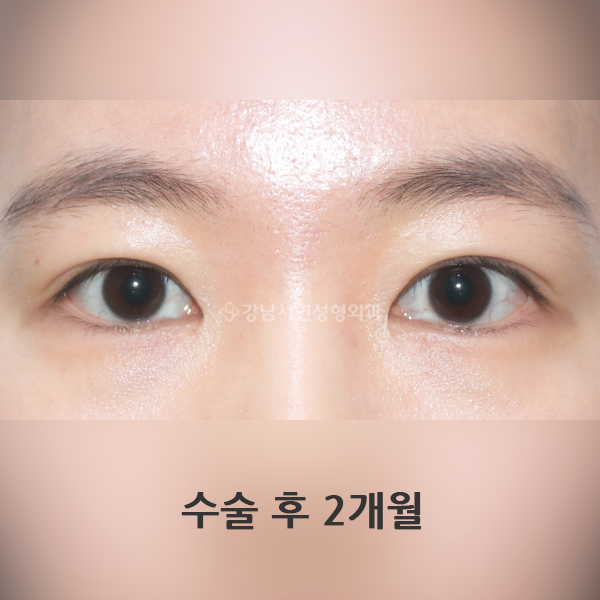
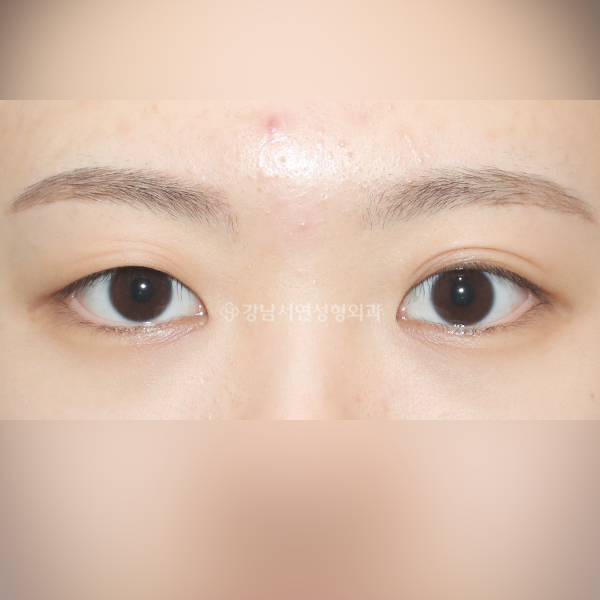
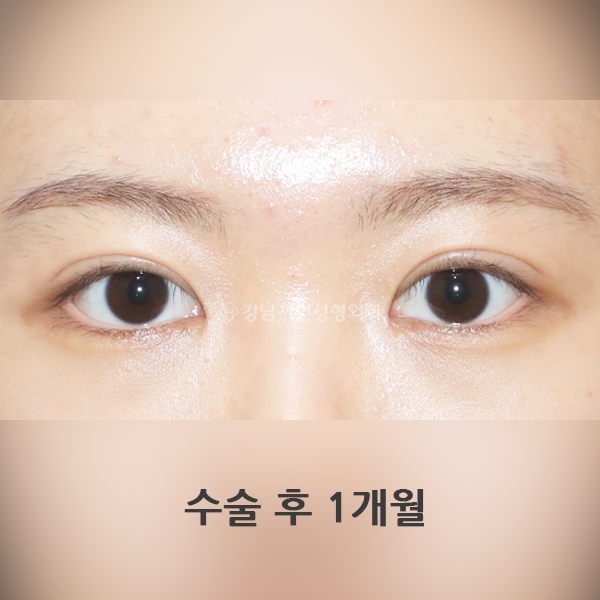
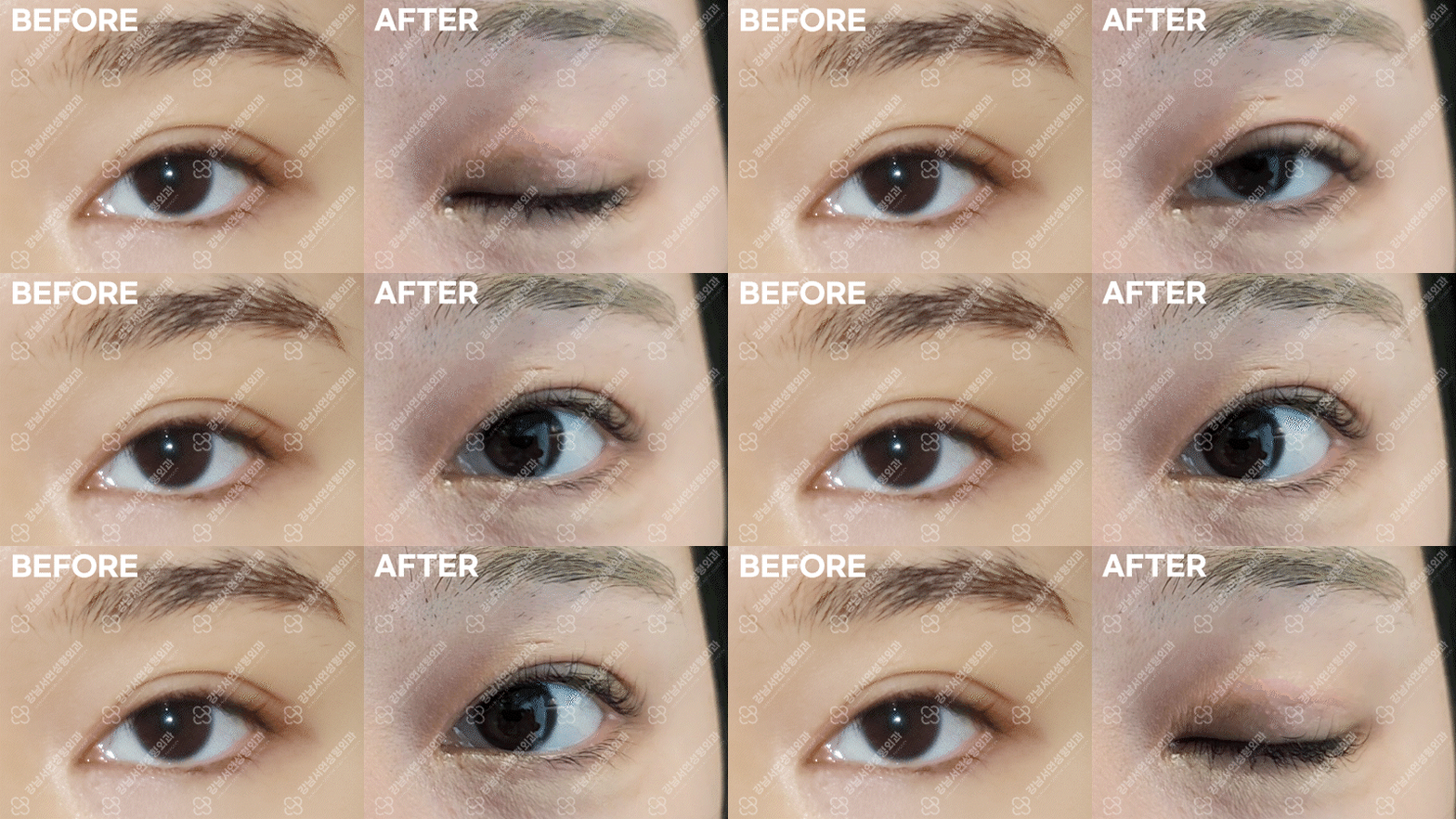
VISUAL · GIF
Asymmetry correction before/after comparison
PROCEDURE INFO

Procedure at a Glance

From surgery time to return to daily life.
Surgery Time
30–60 minutes
Anesthesia
Sedation / Local
Visits
1–2
Stitch Removal
After 5–7 days
Hospitalization
Same-day discharge
Daily Activity
After 3–7 days
Asymmetry correction — single-side surgery

Asymmetry Correction (Single-Side Surgery)

CANDIDATES

Suitable Candidates

Five clinical situations in which asymmetry correction or CFS surgery is most effective.

01

A fold present on
only one side

02

Differing eye-opening
strength between the two sides

03

Mismatched fold heights
following prior surgery

04

Differing eye sizes
caused by unilateral ptosis

05

Patients with underlying
facial asymmetry

ACADEMIC RECOGNITION

Asymmetry Correction — Presented at Several Conferences

Director Choi Dong-Il has presented on asymmetry correction at multiple academic meetings.

Lecture
Asymmetry Correction Presentation ①

Conference photo placeholder.

Lecture
Asymmetry Correction Presentation ②

Conference photo placeholder.

METHOD

Approaches by Cause

Different presentations — uneven fold height versus differing pupil exposure — call for different surgical plans.

METHOD A

When the Two Fold Lines Differ

Aligning the lines is addressed first.

When the two folds differ in shape or position, the lines are aligned first as the basis for correction. To restore symmetry, the fold on either side may be raised or lowered as needed, with techniques such as the double-line excision used to achieve a clean transition.

📷
BEFORE

Asymmetric folds

One fold sits higher or lower than the other.

📷
AFTER

After symmetric correction

Lines matched using techniques such as the double-line excision.

METHOD B

When Pupil Exposure Differs (Unilateral Ptosis)

Symmetry is restored through ptosis correction on the affected side.

When ptosis is present on only one side and the degree of pupil exposure differs between the two eyes, symmetry is restored by performing ptosis correction on the affected side.

BEFORE

One-sided ptosis

Less pupil exposure on one side, making the eyes appear different in size.

AFTER

After ptosis correction on the drooping side

Symmetry restored by single-side ptosis correction.

METHOD C · ADVANCED

Conjoint Fascia Sheath (CFS) Surgery

An advanced technique reserved for severe ptosis.

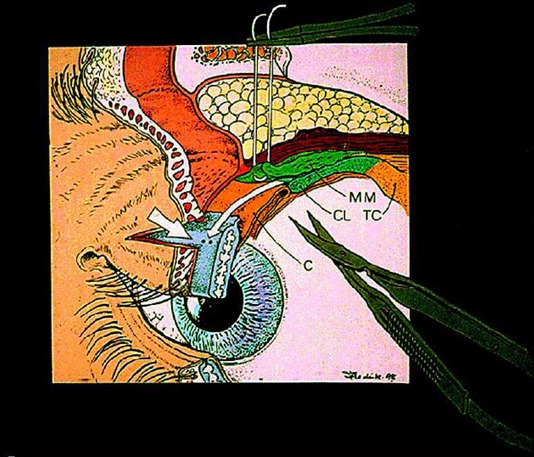
An advanced procedure that uses the Conjoint Fascia Sheath (CFS) to correct severe ptosis. The technique anchors to a firm ligamentous structure located behind the levator palpebrae superioris, near the superior rectus muscle.

Anatomical diagram of the Conjoint Fascia Sheath, from published research

Conjoint Fascia Sheath — Anatomical Diagram

A firm ligamentous structure located behind the levator palpebrae superioris, near the superior rectus muscle.
Diagram adapted from published research.

PROS
CFS pros
ADVANTAGES

Minimal Lagophthalmos and Smooth Eyelid Function

Lagophthalmos — incomplete eyelid closure — is minimized, and the eyes open and close comfortably.

CONS
CFS cons
CONSIDERATIONS

Requires Advanced Surgical Expertise

The technique is technically demanding and should be performed only by an experienced plastic surgeon.

CASE VIDEO

Post-Operative Video: CFS Surgery

Unedited surgical footage, shown for clinical reference.

RAW VIDEO
CFS surgery — one week post-op

One Week Post-Op

Immediately following stitch removal.

RAW VIDEO
CFS surgery — six months post-op

Six Months Post-Op

The point at which severe ptosis correction has fully settled.

SIGNATURE

Three Principles in Asymmetry and CFS Surgery

Three principles that support the safe execution of these advanced procedures.

01

A careful diagnosis by an experienced, board-certified plastic surgeon.

02

An individualized design that takes the eye shape, current condition, and overall facial balance into account.

03

Thorough planning and refined surgical technique to minimize tissue trauma.

Important Information Possible postoperative complications include bleeding, infection, and inflammation. Severity may vary by individual; please proceed with appropriate caution.
BEFORE & AFTER

Patient Results

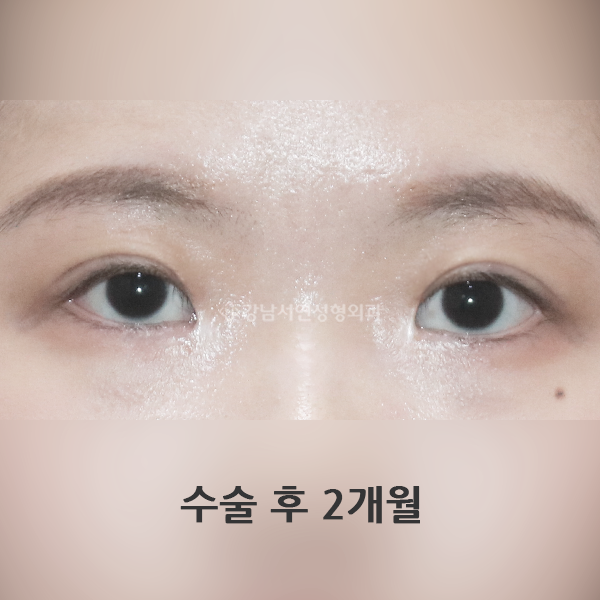
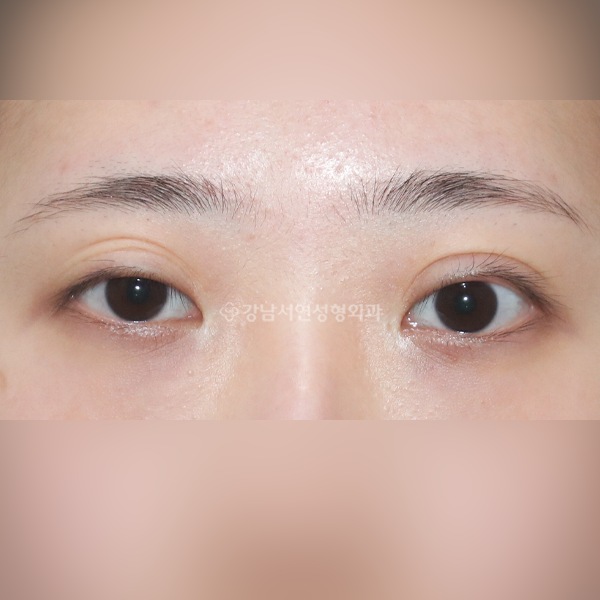
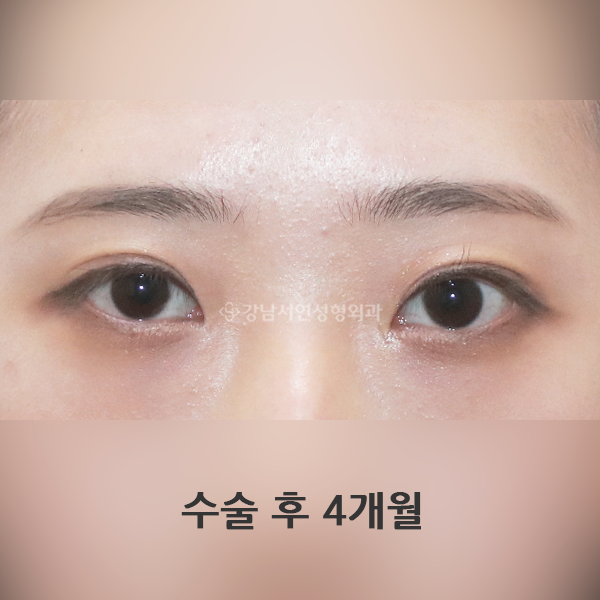
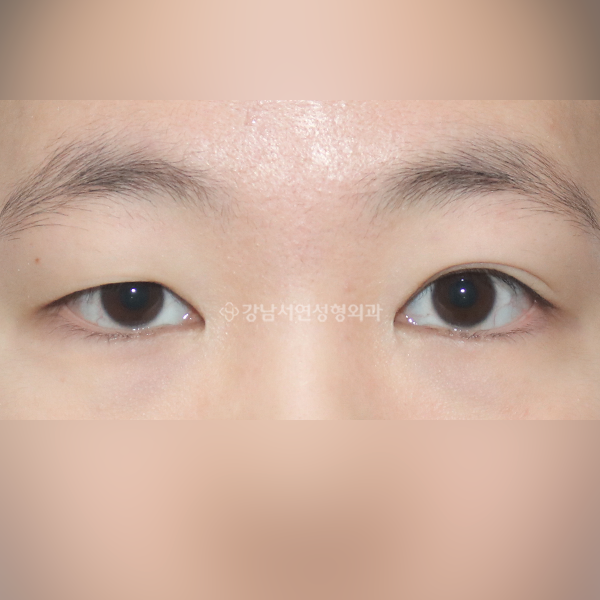
All photographs shown are taken six months after surgery.
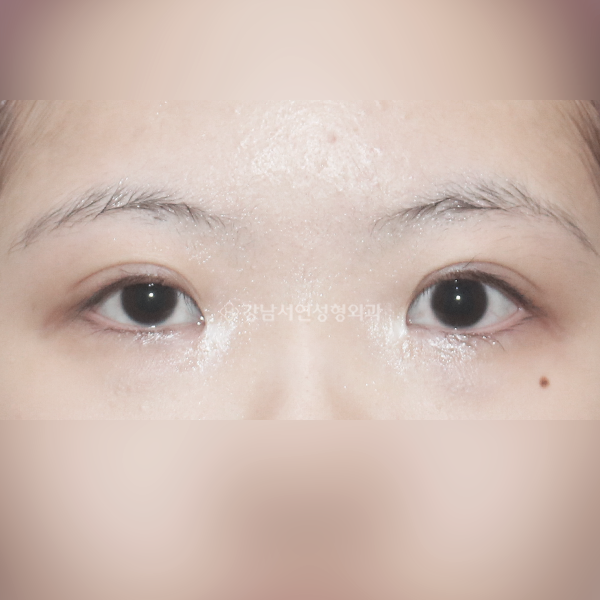
Retraction Repair + Asymmetry Correction BEFORE Retraction Repair + Asymmetry Correction AFTER
BEFORE
AFTER
#RetractionRepair#AsymmetryCorrection

Retraction Repair + Asymmetry Correction

KNSY Case #175
Mucosal Lifting + Asymmetry Correction + Eyelid Revision BEFORE Mucosal Lifting + Asymmetry Correction + Eyelid Revision AFTER
BEFORE
AFTER
#EyelidRevision#AsymmetryCorrection

Mucosal Lifting + Asymmetry Correction + Eyelid Revision

KNSY Case #270
Incisional Revision + Asymmetry Correction BEFORE Incisional Revision + Asymmetry Correction AFTER
BEFORE
AFTER
#IncisionalRevision#AsymmetryCorrection

Incisional Revision + Asymmetry Correction

KNSY Case #283
Asymmetry Correction + Epicanthoplasty BEFORE Asymmetry Correction + Epicanthoplasty AFTER
BEFORE
AFTER
#AsymmetryCorrection#Epicanthoplasty

Asymmetry Correction + Epicanthoplasty

KNSY Case #291
See More Before & After
EXPERT GUIDE

Director's Surgical Notes

Key considerations before surgery, explained on video by Dr. Choi.

FAQ

Frequently Asked Questions

Can asymmetry be addressed on a single side only?
Yes. We first identify the exact cause and then decide whether unilateral surgery will produce a natural result, or whether refinement of both sides is required to achieve true symmetry.
How does CFS surgery differ from standard ptosis correction?
CFS surgery is an advanced technique that anchors to the firm ligamentous structure located behind the levator muscle. The approach minimizes lagophthalmos and supports comfortable eyelid opening and closing.
Can surgery be performed in the setting of thyroid disease?
A medical evaluation is required first. If the underlying condition is active, we generally wait for it to stabilize before scheduling surgery.
How long is the recovery?
Stitches are removed at five to seven days, with most patients returning to daily activities within three to seven days. Most swelling subsides over two to four weeks; the final result typically becomes apparent over three to six months.
Might an early correction be necessary?
In some cases, asymmetry develops in the early post-operative period and an early correction is performed to address it promptly. The appropriate timing is determined during consultation.
Important InformationAs with any surgery, possible complications include bleeding, infection, and inflammation. Individual results vary.
CONSULT

Schedule a Consultation

Every inquiry is reviewed personally by Director Choi Dong-Il.

Clinic
Blog
Doctor's
Blog
Cafe KNSY
TV
Insta-
gram
Kakao
Channel
Doctors Eyes Events Before
& After
Patient
Reviews
B&A
Videos
Kakao
Talk
+82-2
535-8889
Find Us TOP ↑