Quick ConsultHoursDirectionsAll Menus
EYELID SURGERY

Ptosis Correction (Dynamic-Fixation Double Eyelid)

Eyes that look more open and refreshed — not simply larger.

"

An approach that addresses the function
of the eye, not only its appearance.

"The goal is to take a heavy, sleepy gaze and make it look open and rested. Rather than simply forming a fold, we restore the strength of the eyelid-opening muscle itself."

— Director Choi Dong-Il

ABOUT

What Is Dynamic-Fixation Ptosis Correction?

A double eyelid procedure that addresses ptosis, opening up a heavy, tired-looking gaze.

A Double Eyelid Procedure That Corrects Ptosis

When the muscle responsible for opening the upper eyelid is weak, more of the iris is covered than usual — a condition known as ptosis. Ptosis correction addresses this directly, restoring an open, alert appearance to eyes that often look heavy or tired.

Because the procedure requires precise balancing of the eyelid-opening muscles between the two sides, it is technically demanding. We strongly recommend a thorough consultation with an experienced board-certified plastic surgeon before proceeding.

※ Surgical and recovery details may vary depending on the patient's individual condition.

VISUAL · GIF
Ptosis correction — before-and-after walkthrough
SELF CHECK

Could You Have Ptosis? A Self-Check

An ideal eye exposes at least 80 percent of the iris when the lids are open.

A simple way to check, using the distance from the center of the pupil to the eyelid margin.

👁
ILLUSTRATION
Ptotic eye — measurement
CHECK
Ptotic Eye

Distance from pupil center to eyelid margin: 1–2 mm.

👁
ILLUSTRATION
Normal eye — measurement
Normal
Normal Eye

Distance from pupil center to eyelid margin: 4–5 mm.

Untreated ptosis often leads patients to compensate by using the forehead muscles to lift the eyelids, which can cause persistent forehead lines. It may also produce uneven eye sizes, eyelash irritation, headaches, and reduced functional vision — all reasons that correction is generally recommended.
PROCEDURE INFO

Procedure at a Glance

Candidates, technique, and recovery.

Surgery Time
30–60 min
Anesthesia
Sedation / Local
Visits
1–2
Stitch Removal
After 5–7 days
Hospitalization
Same-day discharge
Daily Activity
After 3–7 days
Who
Ptosis or a Heavy, Tired Gaze

Patients concerned with covered iris, persistent forehead lines, or uneven eye sizes.

How
Non-Incisional or Incisional

Non-incisional minimizes scarring; the incisional approach allows for precise scar management.

Result
A Brighter, More Open Gaze

A more rested expression, with reduced reliance on the forehead muscles to keep the eyes open.

Surgeon
Director-Led, Start to Finish

Director Choi Dong-Il personally handles consultation, surgery, and follow-up, drawing on twenty-two years of eyelid surgery practice.

CANDIDATES

Suitable Candidates

Five clinical situations in which dynamic-fixation ptosis correction is the appropriate choice.

01

Suspected ptosis
on either or both sides

02

The iris is significantly
covered when the eyes are open

03

Forehead muscles or eyebrows
used to compensate when opening the eyes

04

Uneven eye sizes
between the two sides

05

A persistently heavy
or tired-looking gaze

SAFETY · MISCONCEPTION

Are complications from ptosis correction inevitable?
The answer is NO.

When ptosis correction is performed only on appropriate candidates and through the right technique, a brighter, more open gaze can be achieved without significant complications. We do not apply any single approach simply because the patient requests it; the director personally evaluates whether the non-incisional or incisional method is the right choice.

Non-incisional is always better? NO.
Incisional always leaves a scar? NO.
Non-incisional should be avoided? NO.
Experienced Director, Direct Care

Every diagnosis is performed personally by the director, with sufficient time given to each patient.

Careful Diagnosis, Individualized Plan

Eyelid thickness, levator strength, and skin elasticity are evaluated together to determine the most appropriate technique.

METHOD

Incisional vs. Non-Incisional Ptosis Correction

The appropriate technique is selected based on the strength of the eyelid-opening muscle and the thickness of the skin.

METHOD A

Non-Incisional Ptosis Correction

An option for patients with thin eyelid skin and reasonably strong levator function.

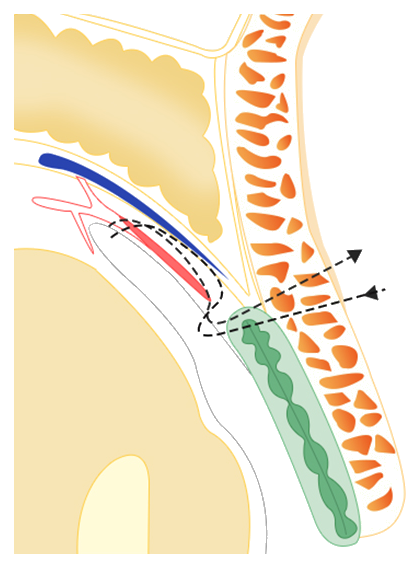
In the non-incisional approach, Müller's muscle is plicated through the conjunctival surface. This is a reasonable option for slightly small eyes when the eyelid-opening strength is preserved. When levator strength is weak or significant correction is required, the risk of complications increases — for that reason, in our practice, fewer than 20 percent of patients are candidates for the non-incisional approach.
STEP 01
📷
PHOTO
Pre-operative
STEP 02
📐
DESIGN
Eyelid assessment,
method and design selected
STEP 03
PUNCTURE
Small punctures placed
along the planned design
STEP 04
🧵
SUTURE
Length adjustment of the
levator with a buried knot
STEP 05
RESULT
Postoperative result
Non-incisional ptosis correction anatomy — Müller's muscle plication via the conjunctiva
Non-incisional approach — Müller's muscle plicated through the conjunctiva
CASE 01

Considered only for patients with thin skin, good levator strength, no significant sagging, and symmetric eyes.

CASE 02

In our practice, the non-incisional approach is performed in roughly 20 percent or fewer of patients, after careful evaluation.
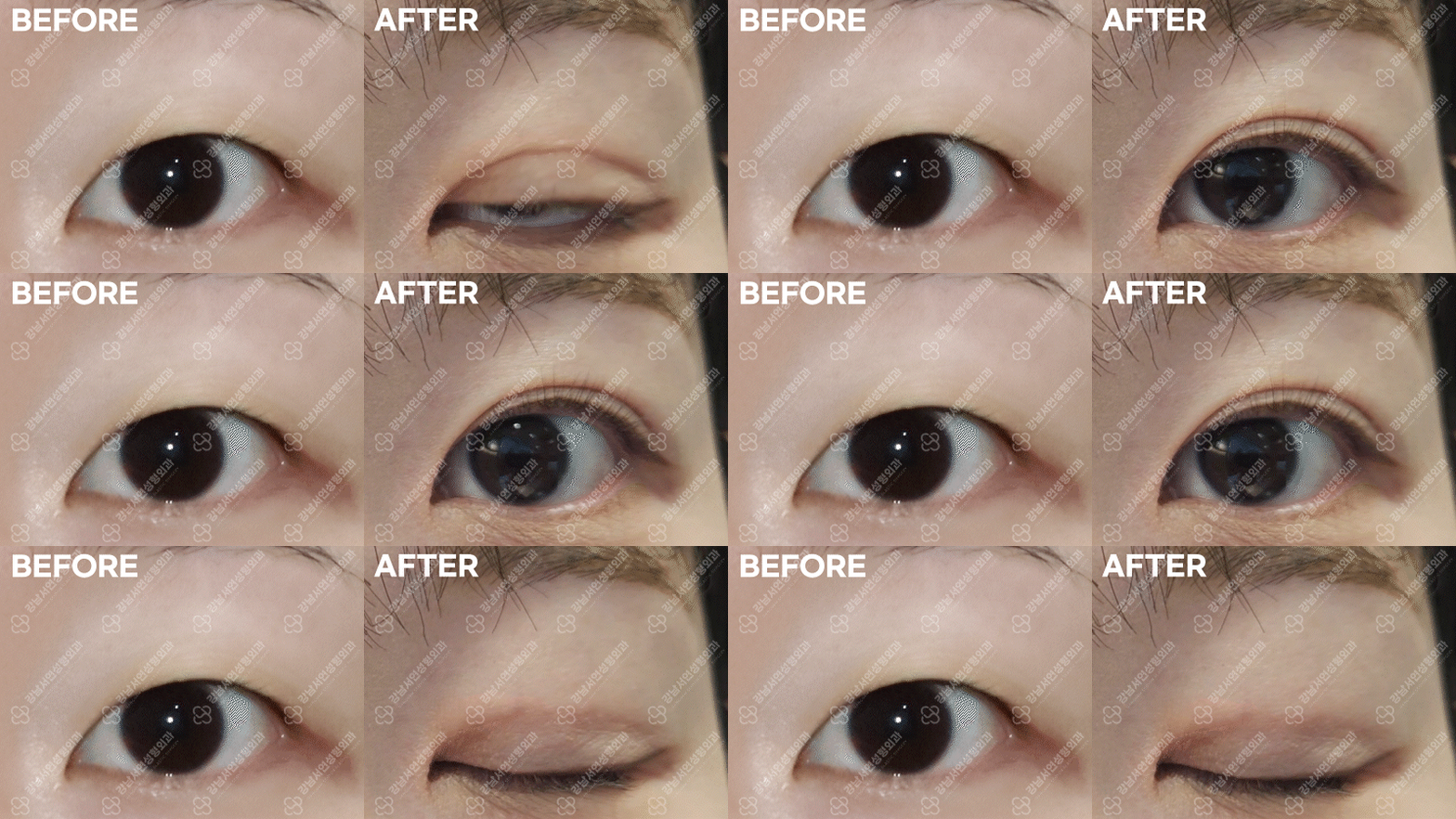
Non-incisional fold + medial epicanthoplasty — case 1

Non-Incisional Fold + Medial Epicanthoplasty

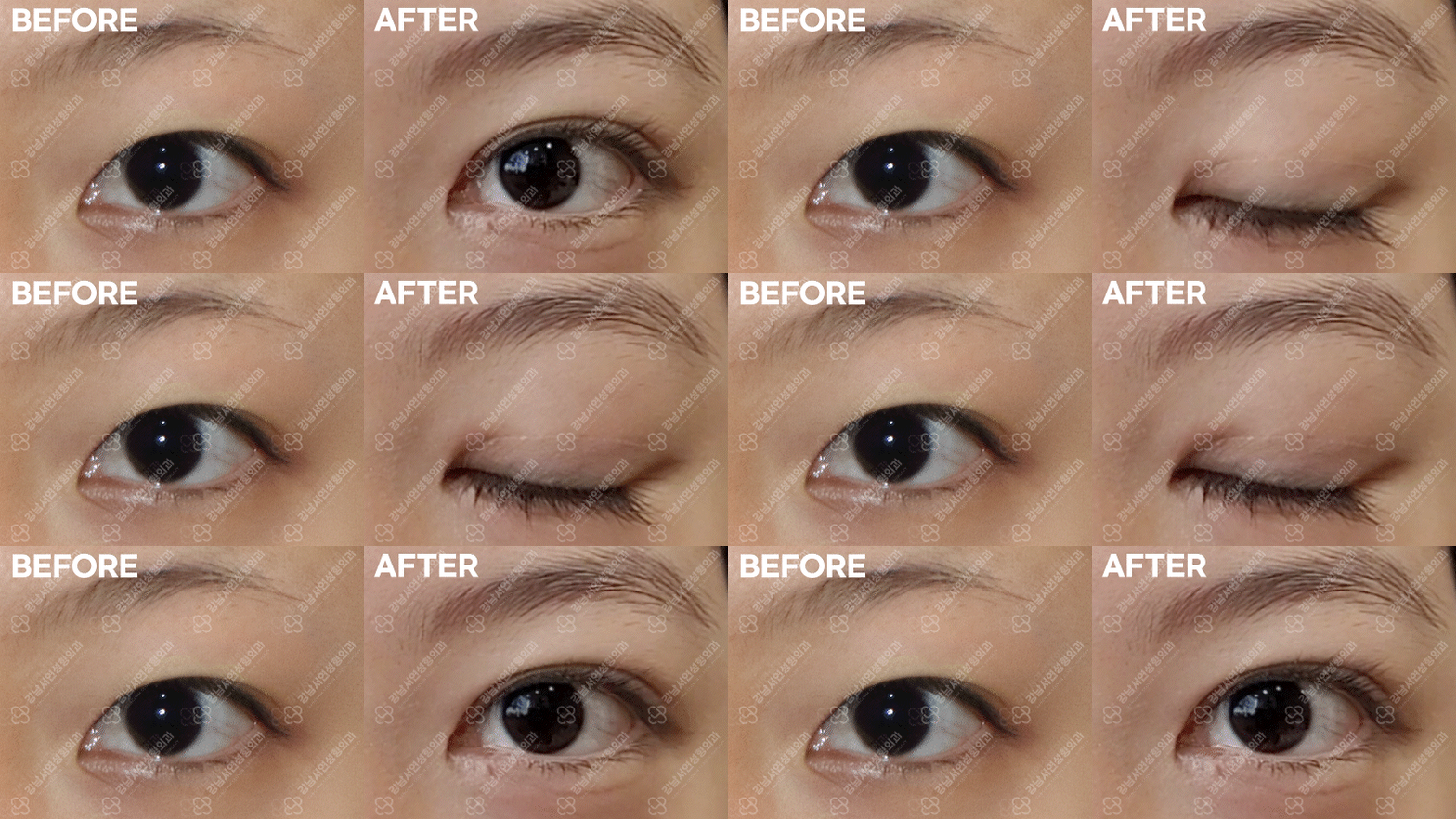
Non-incisional fold + medial epicanthoplasty — case 2

Non-Incisional Fold + Medial Epicanthoplasty

METHOD B

Incisional Ptosis Correction — Dynamic-Fixation Technique

Preserving the orbicularis oculi: a signature technique at our clinic.

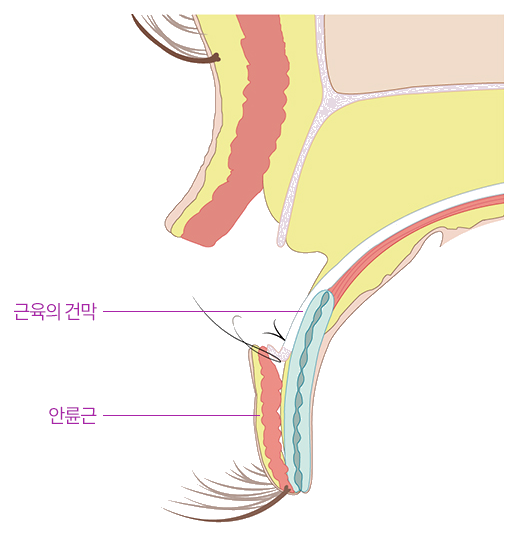
In the incisional approach, the levator aponeurosis is precisely advanced rather than resected. Outside of pathologic ptosis, the muscle itself is preserved; only its terminal portion is advanced and secured by the appropriate amount. Preserving the orbicularis oculi, the muscle responsible for closing the eye, is decisive in determining the result, and is among our signature techniques. The fold is closed with dynamic fixation so that it does not loosen over time.

STEP 01
📐
DIAGNOSIS
Eyelid assessment,
method and design selected
STEP 02
INCISION
Precise incision along
the individualized design
STEP 03
REMOVE
Removal of unnecessary
muscle and fat
STEP 04
🧵
SUTURE
Levator tension adjusted
and closed with dynamic fixation
STEP 05
RESULT
Postoperative result
Incisional ptosis correction anatomy — levator aponeurosis advancement, orbicularis oculi preserved
Incisional approach — levator aponeurosis advanced · orbicularis oculi preserved
Semi-outline incisional fold

Semi-Outline Incisional Fold

Incisional fold

Incisional Fold

CASE VIDEO

Postoperative Video — Dynamic-Fixation Ptosis Correction

Unedited surgical and recovery footage, shown for clinical reference.

REAL VIDEO

Incisional Ptosis Correction + Incisional Double Eyelid

Unedited postoperative footage, including scar appearance, showing how the dynamic-fixation line settles over time.

REAL VIDEO

Incisional Ptosis Correction + Incisional Double Eyelid + Medial Epicanthoplasty

Postoperative recovery for a case combined with medial epicanthoplasty, showing how the gaze opens up over time.

RESULT

Expected Results

Four outcomes patients can expect from dynamic-fixation ptosis correction.

BEFORE / AFTER · GIF
Animated before and after
Important Information As with any surgery, possible complications include bleeding, infection, and inflammation; severity may vary by individual. Please follow your surgeon's instructions carefully.
BEFORE & AFTER

Patient Results

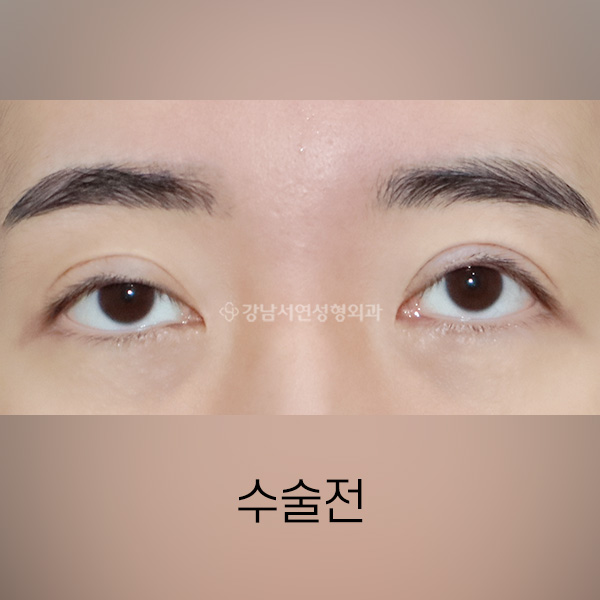
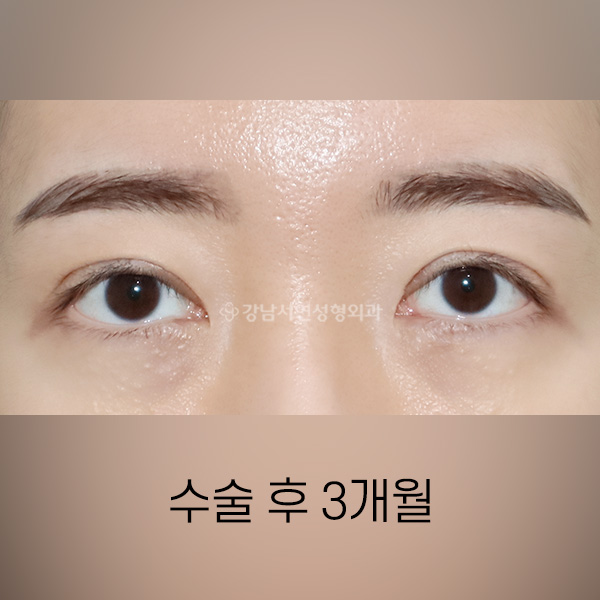
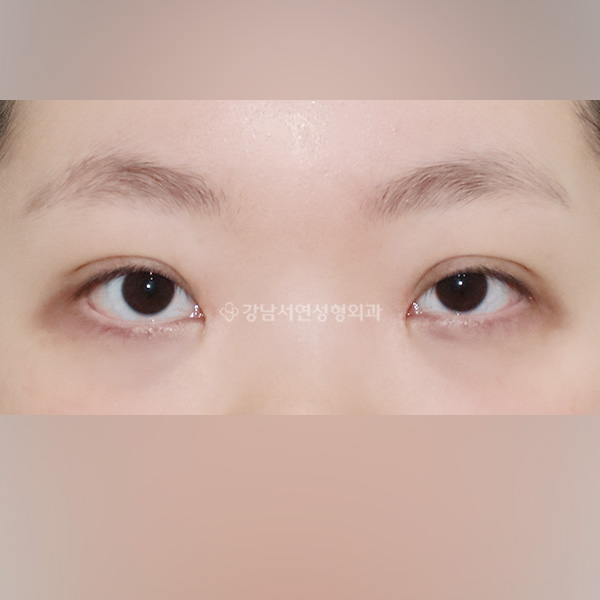
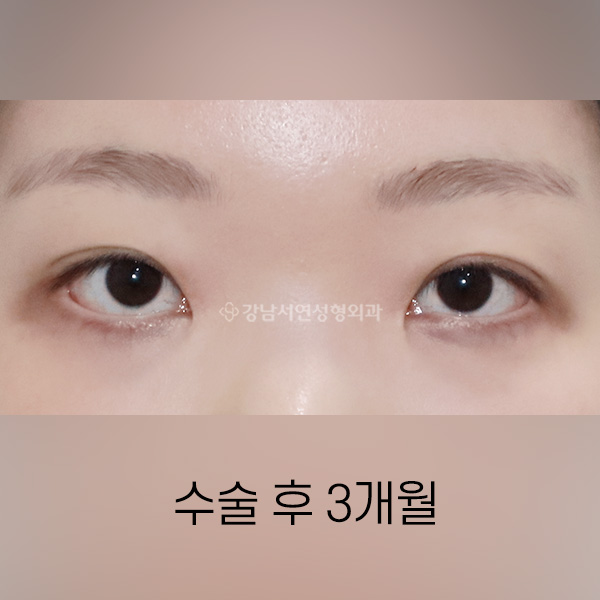
All photographs shown are taken six months after surgery. Additional cases are available in the Before & After section of the menu.


Incisional ptosis correction + medial epicanthoplasty BEFORE Incisional ptosis correction + medial epicanthoplasty AFTER
BEFORE
AFTER
#IncisionalPtosisCorrection#MedialEpicanthoplasty

Incisional Ptosis Correction + Medial Epicanthoplasty

knsy case #12
Incisional ptosis correction revision BEFORE Incisional ptosis correction revision AFTER
BEFORE
AFTER
#IncisionalPtosisCorrection

Incisional Ptosis Correction (Revision)

knsy case #18
Incisional ptosis correction with fold lowering BEFORE Incisional ptosis correction with fold lowering AFTER
BEFORE
AFTER
#IncisionalPtosisCorrection#FoldLowering

Incisional Ptosis Correction with Fold Lowering

knsy case #36
Male monolid ptosis correction BEFORE Male monolid ptosis correction AFTER
BEFORE
AFTER
#MaleMonolidPtosisCorrection

Male Monolid Ptosis Correction

knsy case #40
More Before & After
EXPERT GUIDE

Director's Surgical Notes

Important considerations before surgery, explained on video by Dr. Choi.

FAQ

Frequently Asked Questions

What is the difference between dynamic-fixation ptosis correction and a standard double eyelid?
A standard double eyelid simply creates the fold. Dynamic-fixation ptosis correction additionally adjusts the levator muscle itself, addressing both the definition of the gaze and the durability of the fold. The benefit is particularly significant when ptosis is also present.
Which is better, the incisional or non-incisional approach?
The right answer depends entirely on the patient's eyelid condition. In our practice, the non-incisional approach is performed in approximately 20 percent or fewer of patients, and only when strict criteria are met — thin skin, strong levator function, and symmetric eyes among them.
How long does recovery take?
Most of the visible swelling resolves within one to two weeks, with a return to daily activities in three to seven days. The final, settled result typically becomes apparent over three to six months.
Will there be a visible scar?
For the incisional approach, the scar is placed just inside the fold and tends to fade into the crease over time. The pace of fading varies by individual.
Can ptosis correction be performed together with other procedures?
Dynamic fixation already incorporates ptosis correction. When a heavy, sleepy gaze is present alongside other concerns, both can be addressed in a single procedure.
Is this procedure suitable for male patients?
Yes. For male patients, ptosis correction can be combined with a hidden-fold or monolid technique so that the line remains subtle.
Important Information As with any surgery, possible complications include bleeding, infection, and inflammation. Individual results vary; please consult with your physician for the appropriate diagnosis and treatment plan.
CONSULT

Schedule a Consultation

Every inquiry is reviewed personally by Director Choi Dong-Il.

Clinic
Blog
Doctor's
Blog
Cafe KNSY
TV
Insta-
gram
Kakao
Channel
Doctors Eyes Events Before
& After
Patient
Reviews
B&A
Videos
Kakao
Talk
+82-2
535-8889
Find Us TOP ↑