A natural-looking fold with minimal scarring and a quick recovery.
"Because the non-incisional method leaves no significant scar, the most important step is determining whether the eyelid is genuinely a candidate. A fold that holds depends on accurate diagnosis and a careful knot design."
— Director Choi Dong-Il
A double eyelid procedure that creates the fold using buried sutures rather than an incision.
The non-incisional method, often called the buried suture technique, creates the fold by securing the eyelid line with medical-grade sutures placed beneath the skin, without an open incision. Visible scarring is minimal and swelling is generally limited, allowing for a relatively rapid return to daily activity.
The procedure is most appropriate for patients with thin, elastic eyelid skin and minimal sagging or excess fat. Whether the fold holds over time depends on accurate placement of the knots — their position, number, and depth — which in turn depends heavily on the surgeon's experience.
※ Surgical and recovery details may vary depending on the patient's individual condition.
Candidates, technique, and recovery.
Patients with good elasticity and minimal fat — appropriate candidates for the non-incisional approach.
The fold is fixed by accurately placing medical-grade sutures, without any incision.
Minimal scarring with a quick return to daily activity.
Director Choi Dong-Il personally handles consultation, surgery, and follow-up, drawing on twenty-two years of eyelid surgery practice.
Five clinical situations in which the non-incisional method is the appropriate choice.
Thin eyelid skin
with good elasticity
Minimal sagging
or excess fat
Patients seeking
a quick return to daily activity
Patients considering
their first double eyelid surgery
Patients particularly concerned
about swelling or scarring
When a non-incisional fold loosens, the cause is most often an inappropriate indication or insufficient knot depth and number. We begin with a careful evaluation of whether the eyelid is genuinely a candidate for the non-incisional approach, and design the knots specifically to hold over time. When the eyelid is thicker or the patient has significant sagging, we recommend the incisional method instead.
Skin thickness, levator strength, and elasticity are all evaluated together; we recommend the non-incisional approach only when it is genuinely appropriate. When sagging is present, the incisional method is suggested instead.
Knot position, number, and depth are planned with precision so that the fold holds reliably through everyday activity.
The fold is fixed with medical-grade sutures placed precisely along the planned line, without an incision.
Design, anesthesia, micro-puncture, and knot fixation.
The procedure is performed through small punctures placed on the eyelid skin or conjunctival surface. The decisive factor is precise planning of the knot position, number, and depth so that the fold holds reliably. A careful pre-operative assessment of whether the eyelid is suitable for the non-incisional approach is the most important step.
Knot position, number, and depth are planned with precision so that the fold holds reliably through everyday activity.
Because the procedure is carried out through small punctures rather than a surgical incision, visible scarring is minimal and recovery is generally rapid.
Actual surgical footage. Only watermarked clips that protect patient identity are posted.
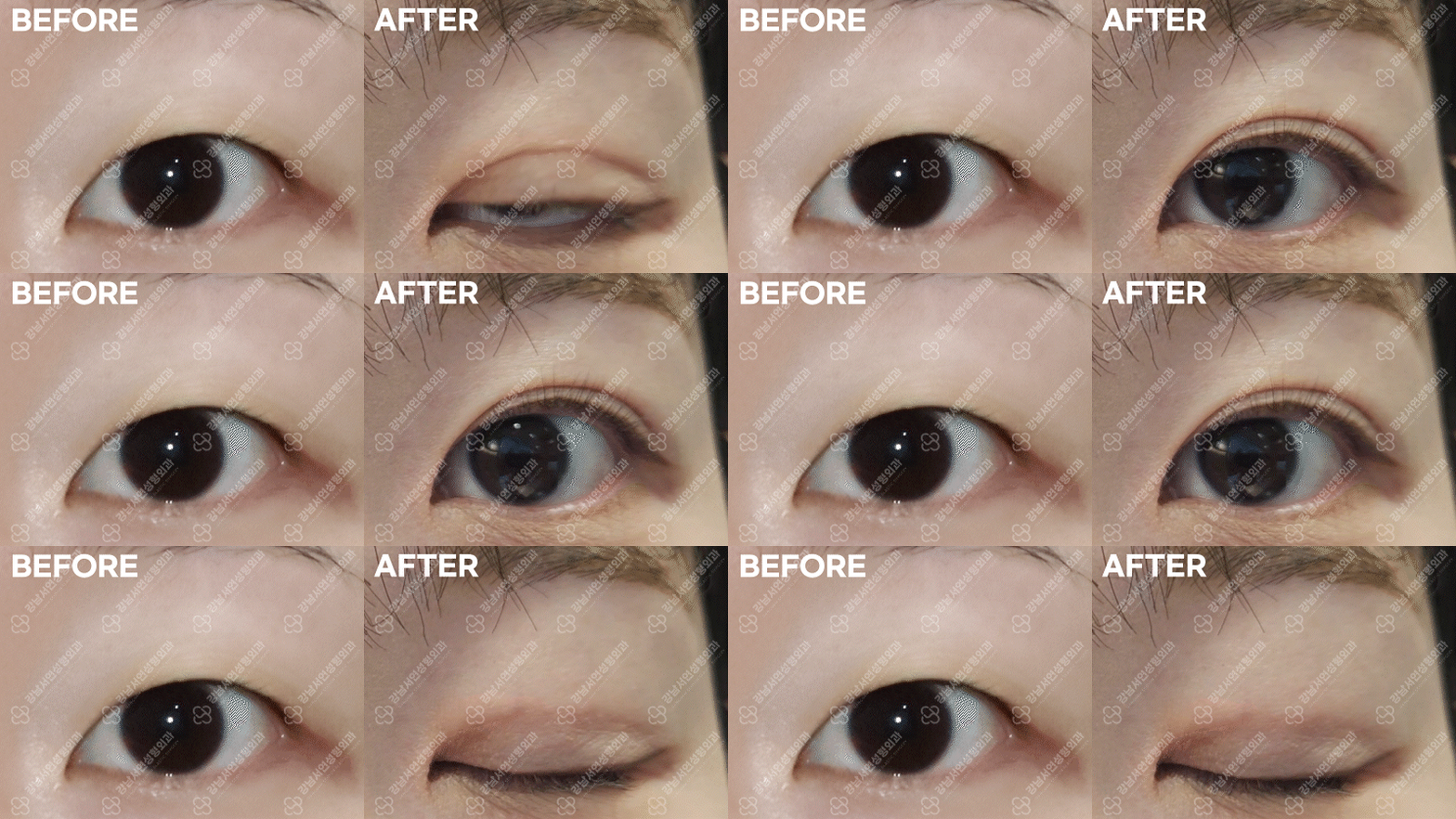
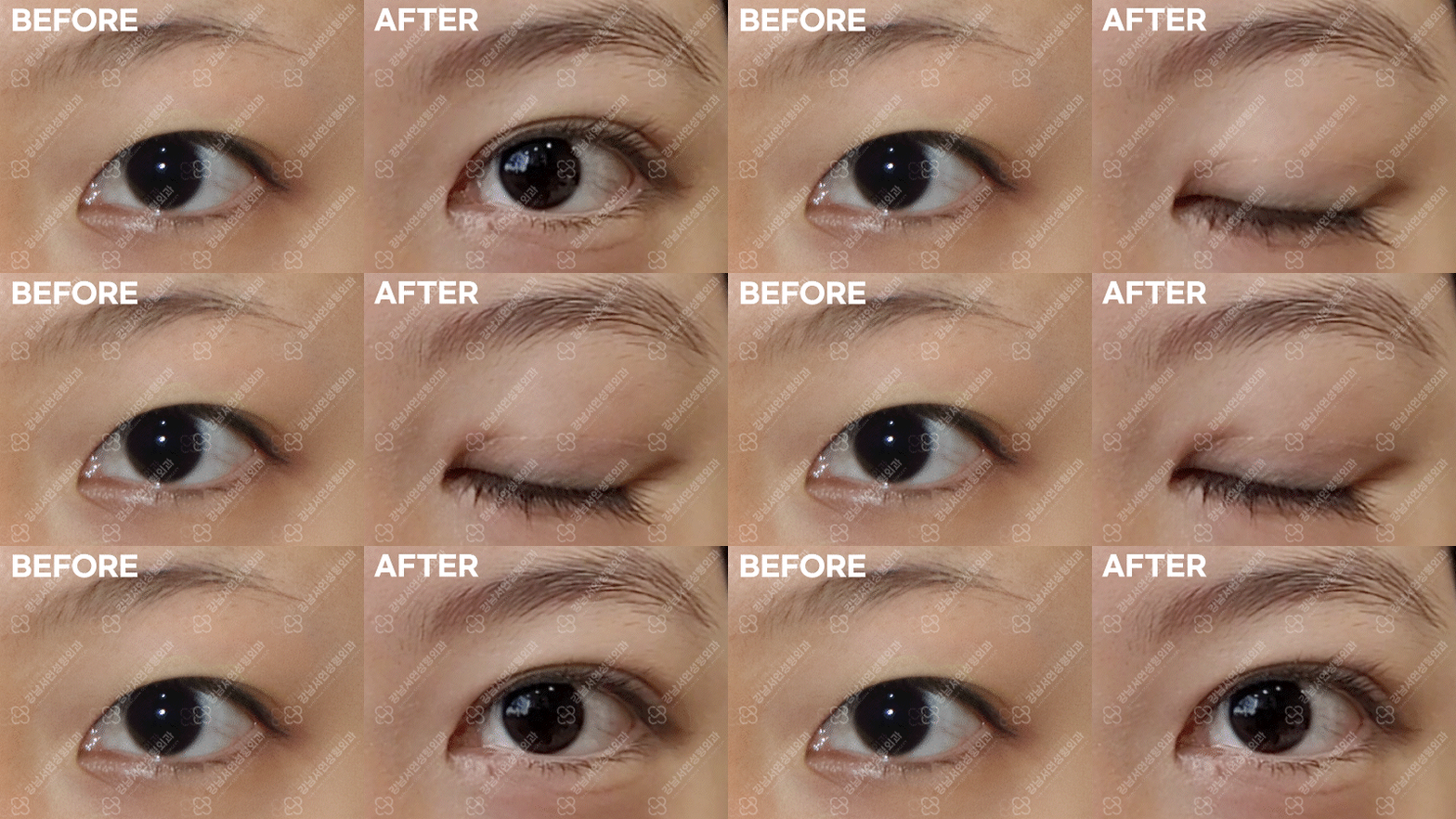
Four outcomes patients can expect from the non-incisional method.
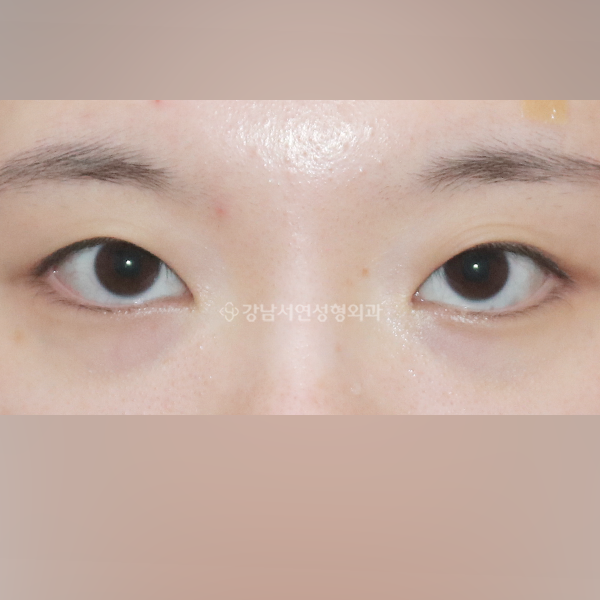
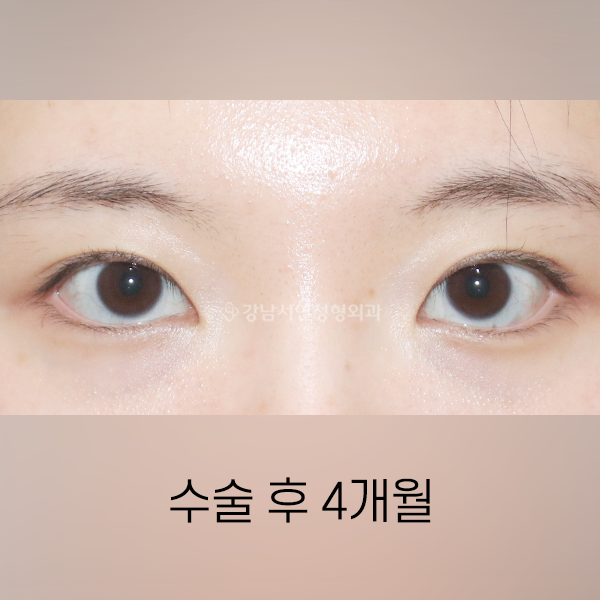
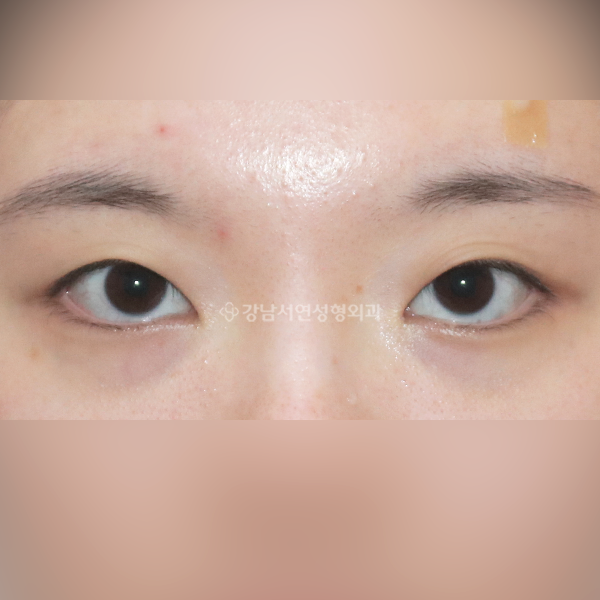
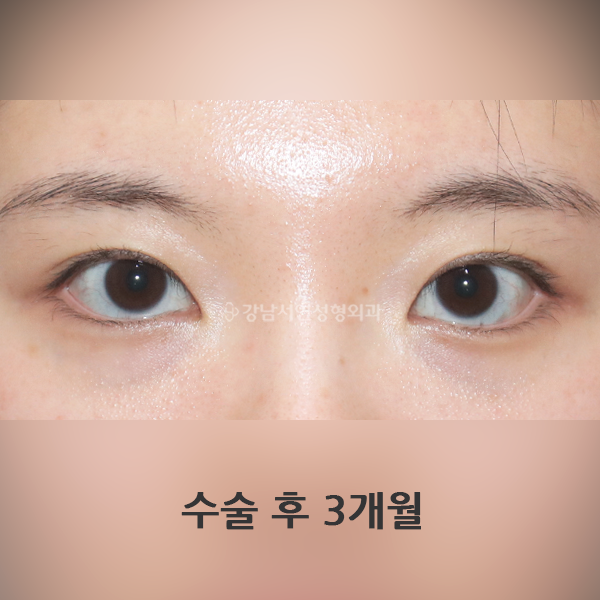
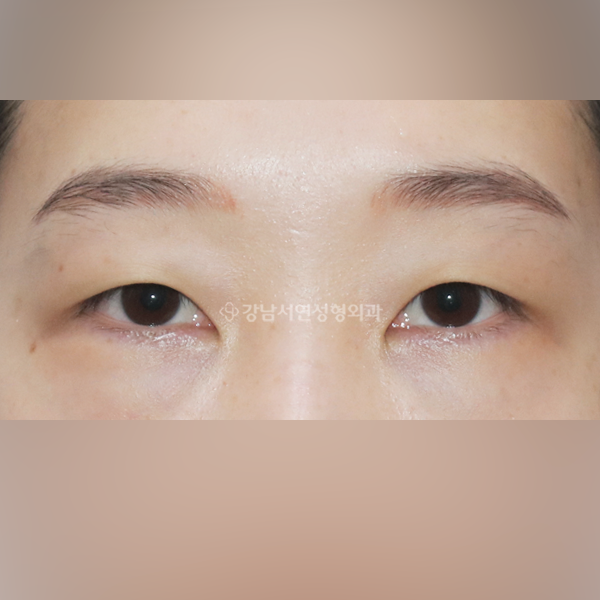
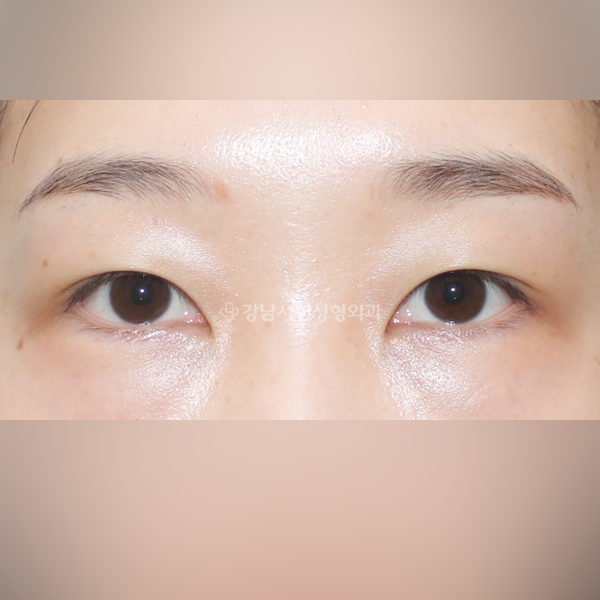
All photographs shown are taken six months after surgery. Additional cases are available in the Before & After section of the menu.
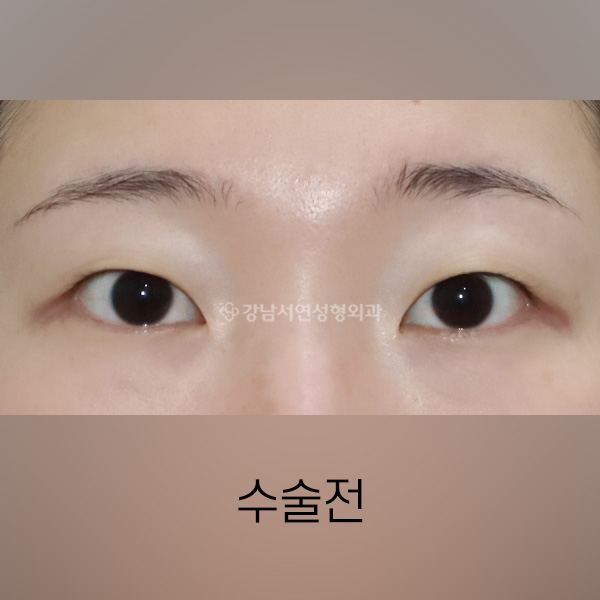
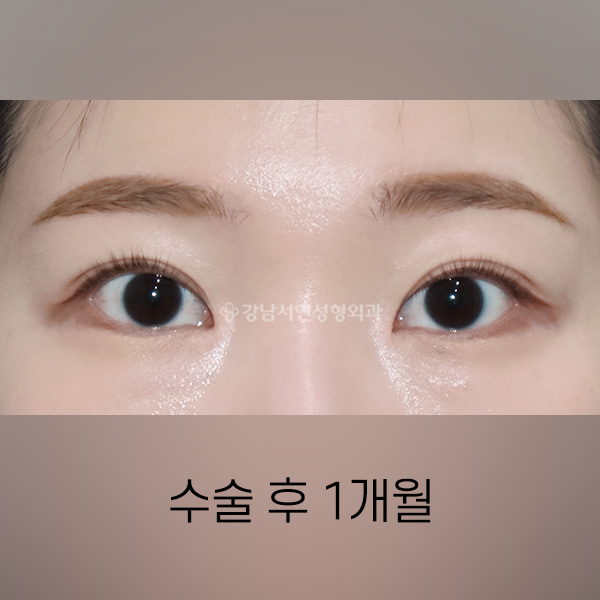
Long-form videos walking through the non-incisional method, presented by Dr. Choi.
Every inquiry is reviewed personally by Director Choi Dong-Il.