A non-incisional procedure with minimal tissue manipulation.
"When a satisfactory result can be achieved with minimal manipulation, that is the preferred form of eyelid revision. Removing the buried sutures from a non-incisional fold is one such example."
— Dr. Choi Dong-Il, Director
The precise removal of the buried sutures placed during a non-incisional double eyelid procedure.
The most commonly performed double eyelid procedure today is the non-incisional, buried suture method. Removing those buried sutures, however, is not straightforward. The fine sutures embedded beneath the eyelid skin must be located and extracted through small pinholes, which requires more experience and a more refined technique than removal through an open incision.
※ Surgical and recovery details may vary depending on the patient's individual condition.
From surgery time to return to daily life.
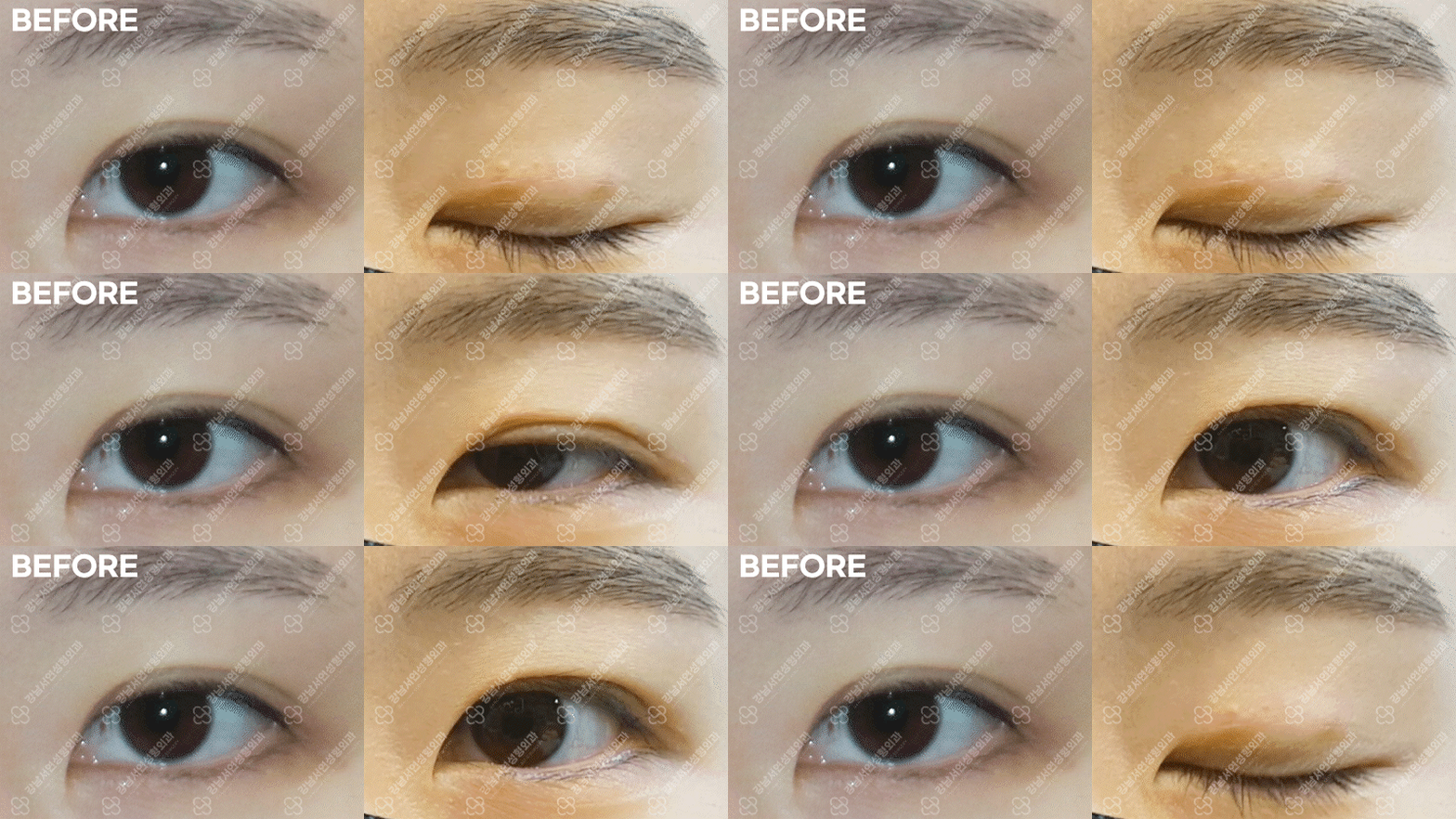
In most cases, yes. In a small number of patients, the fold may not fully release. Gentle massage of the eyelid afterward can help support a more complete return to baseline.
Clinical situations in which buried suture removal is most effective.
An unsatisfactory result
after a non-incisional procedure
A persistent foreign-body
sensation or discomfort
A natural pre-existing fold
distorted by buried sutures
A fold set too high
that the patient wants reversed
When a satisfactory result can be achieved through minimal tissue manipulation, that is generally the preferred form of eyelid revision. Adjusting an eyelid fold is rarely simple, but lowering a non-incisional fold is one approach that allows the line to be corrected with minimal manipulation.
At our clinic, the suture is removed through a small pinhole placed at the same site as the original buried-suture entry point, minimizing tissue trauma.
Because the tissue is neither cut nor pulled outward, additional damage is essentially avoided — only the suture itself is removed. This is a signature technique developed by Dr. Choi Dong-Il, rather than a borrowed method.
To prevent any uncertainty about what was removed, every suture is photographed during the procedure.
Occasionally we see patients who were told elsewhere that their sutures had been removed, yet still report a foreign-body sensation. We have, on more than one occasion, heard the patient say "I was told the suture was removed — but I never actually saw it", and have subsequently located and removed the suture ourselves. To prevent this kind of uncertainty, every suture removal at our clinic is photographed and the documentation is kept on file.
Unedited surgical footage, shown for clinical reference.
Precise removal performed through small pinholes.
A clean recovery with minimal manipulation of surrounding tissue.
Minimal manipulation, performed precisely.
A careful diagnosis by an experienced, board-certified plastic surgeon.
An individualized design that takes the eye shape, current condition, and overall facial balance into account.
Thorough planning and refined surgical technique to minimize tissue trauma.
All photographs shown are taken six months after surgery.
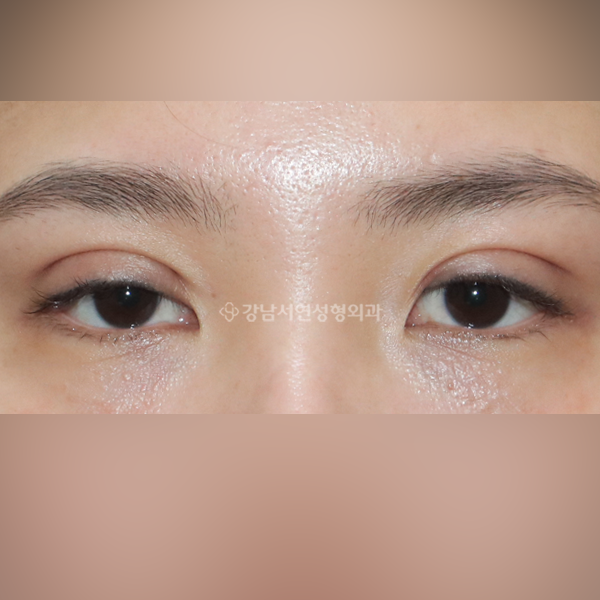
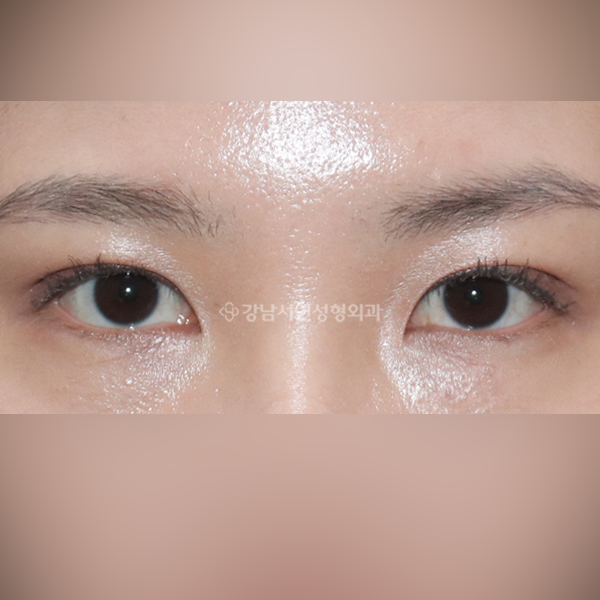
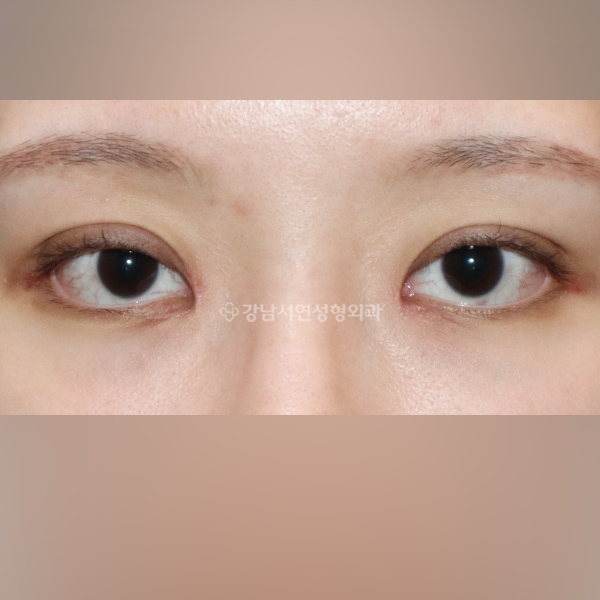
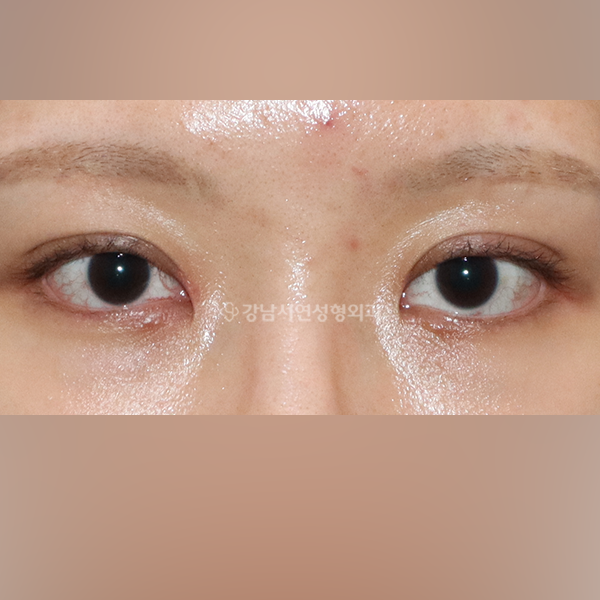
What untying differs from releasing adhesions and removing the suture — plus the actual removal in close-up.
The 20 questions patients ask most often about undoing a buried-suture eyelid, answered in one sitting.
The three procedures sound similar but have different goals. This is what each one actually does.
The actual removal in close-up, including the size of the micro-puncture left behind.
A short, quiet ASMR-style edit of the removal process.
Key considerations before surgery, explained on video by Dr. Choi.
Every inquiry is reviewed personally by Director Choi Dong-Il.