One precise design. A clean fold that lasts.
"Incisional surgery does not have to leave a visible scar. With careful design, the orbicularis oculi preserved, and a clean closure, the scar typically becomes very inconspicuous, and the fold tends to outlast every other technique."
— Director Choi Dong-Il
Reducing thick skin and excess fat to create a defined fold that holds its shape over time.
The incisional method opens the eyelid along the planned design line and shapes the fold while reducing thick skin, excess fat, and connective tissue. The line is set precisely in a single procedure and tends to remain stable longer than any other double-eyelid technique.
It is the appropriate choice for thicker eyelids, sagging skin, and folds that have come undone after a non-incisional procedure. Two factors are decisive in the final result: a clean surgical closure and preservation of the orbicularis oculi, the muscle responsible for closing the eye.
※ Surgical and recovery details may vary depending on the patient's individual condition.
Candidates · method · result — all in one view.
Patients with excess fat, or with folds that have come undone after a non-incisional procedure.
Skin, fat, and connective tissue are reduced while the fold takes shape.
A natural line with the scar tucked into the crease, producing the most durable double-eyelid result.
Director Choi Dong-Il personally handles consultation, surgery, and follow-up, drawing on twenty-two years of eyelid surgery practice.
Five clinical situations in which the incisional method is the appropriate choice.
Thicker eyelid skin
or excess fat
Folds that have repeatedly
come undone after non-incisional surgery
Sagging or aging eyelids
requiring a clearly defined fold
Patients seeking
a long-lasting result
Patients who want
a precisely designed fold
An incision does not necessarily mean a visible scar. With careful design, preservation of the orbicularis oculi (the muscle responsible for closing the eye), and a clean surgical closure, the scar typically becomes very inconspicuous. We evaluate each patient's individual eyelid anatomy and recommend the method that genuinely fits.
Damage to the eye-closing muscle can interfere with tear drainage and leave the eyes unable to close fully. Preserving it during surgery is essential to a healthy long-term result.
Two decades of director-led closures, with the suture line set just inside the fold so that it settles naturally and remains very inconspicuous.
Skin, fat, and connective tissue are reduced while the orbicularis oculi is preserved.
Design, incision, tissue reduction, and closure.
A precise incision is made along the design line. Thick skin, excess fat, and connective tissue are then reduced while the fold takes shape. Preservation of the orbicularis oculi — the muscle responsible for closing the eye — is decisive in distinguishing a healthy result from a compromised one, and is among our signature techniques. The fold is set with dynamic fixation so that it does not loosen over time.
Damage to this muscle can leave the eye unable to close fully and can compromise tear drainage. Working around the muscle, rather than through it, is essential to a stable, healthy result.
The closure is placed just inside the fold so that it settles naturally into the crease. Over the months that follow, it generally becomes very difficult to detect.
Actual surgical footage. Only watermarked clips that protect patient identity are posted.

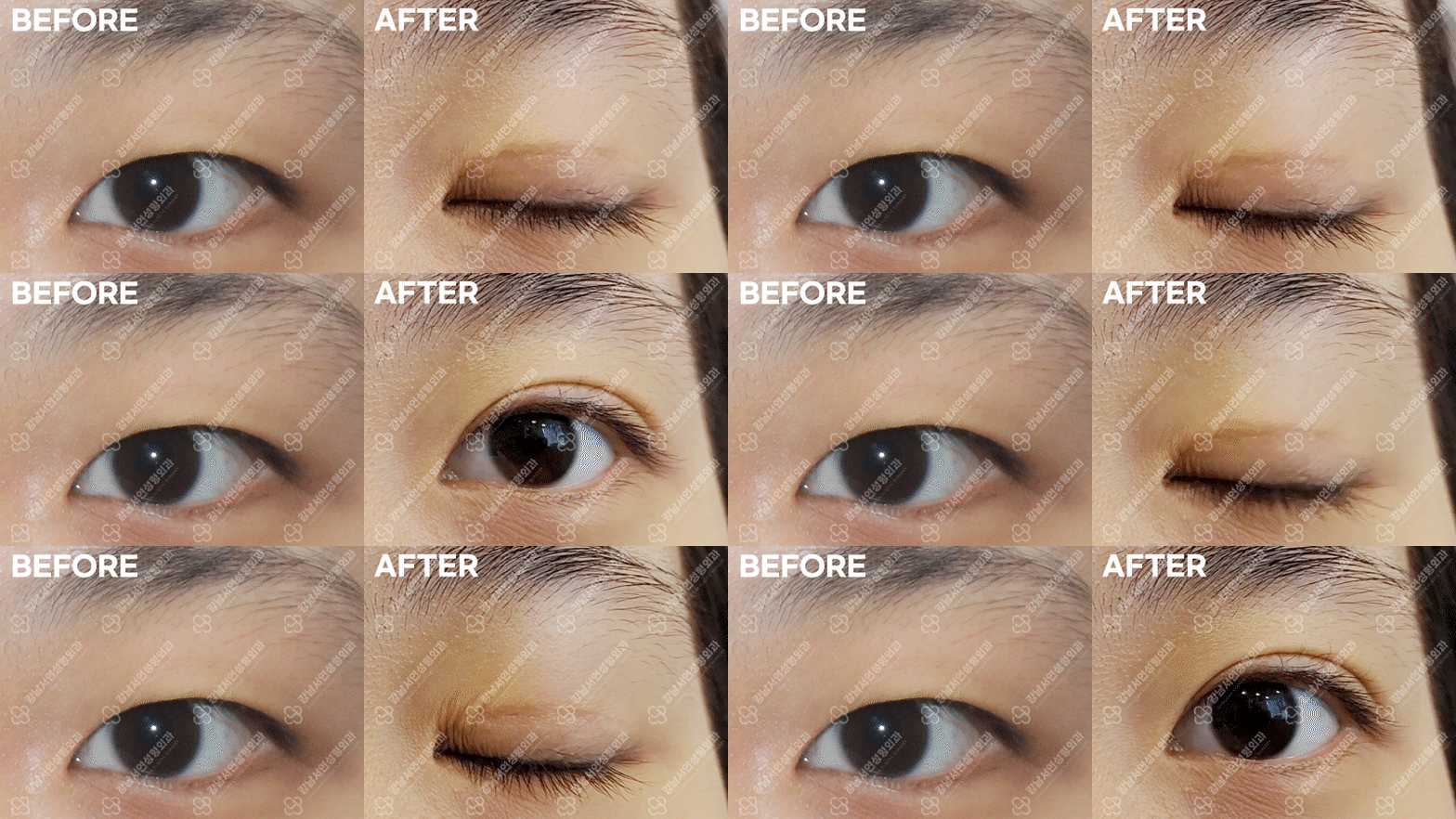

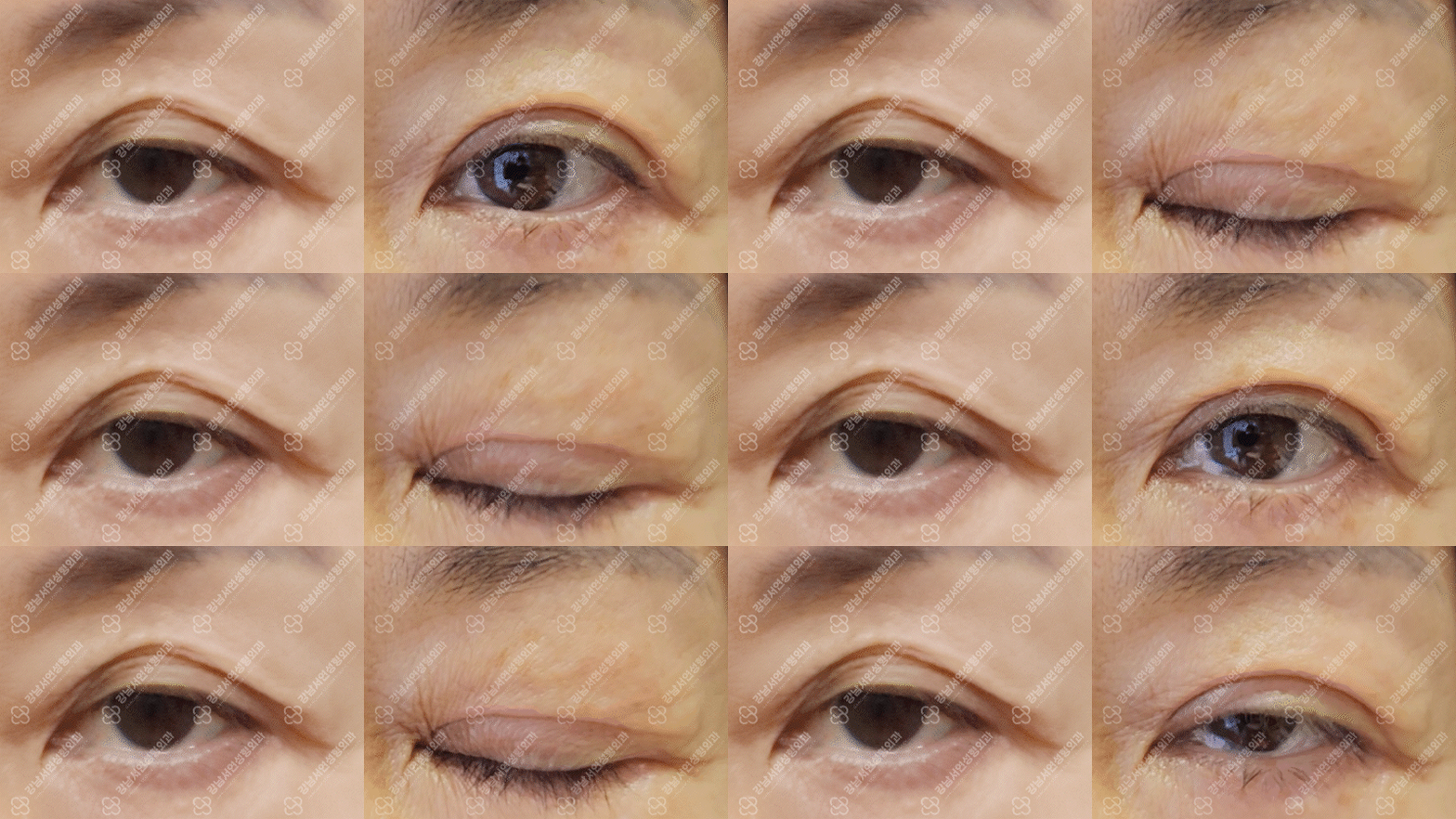
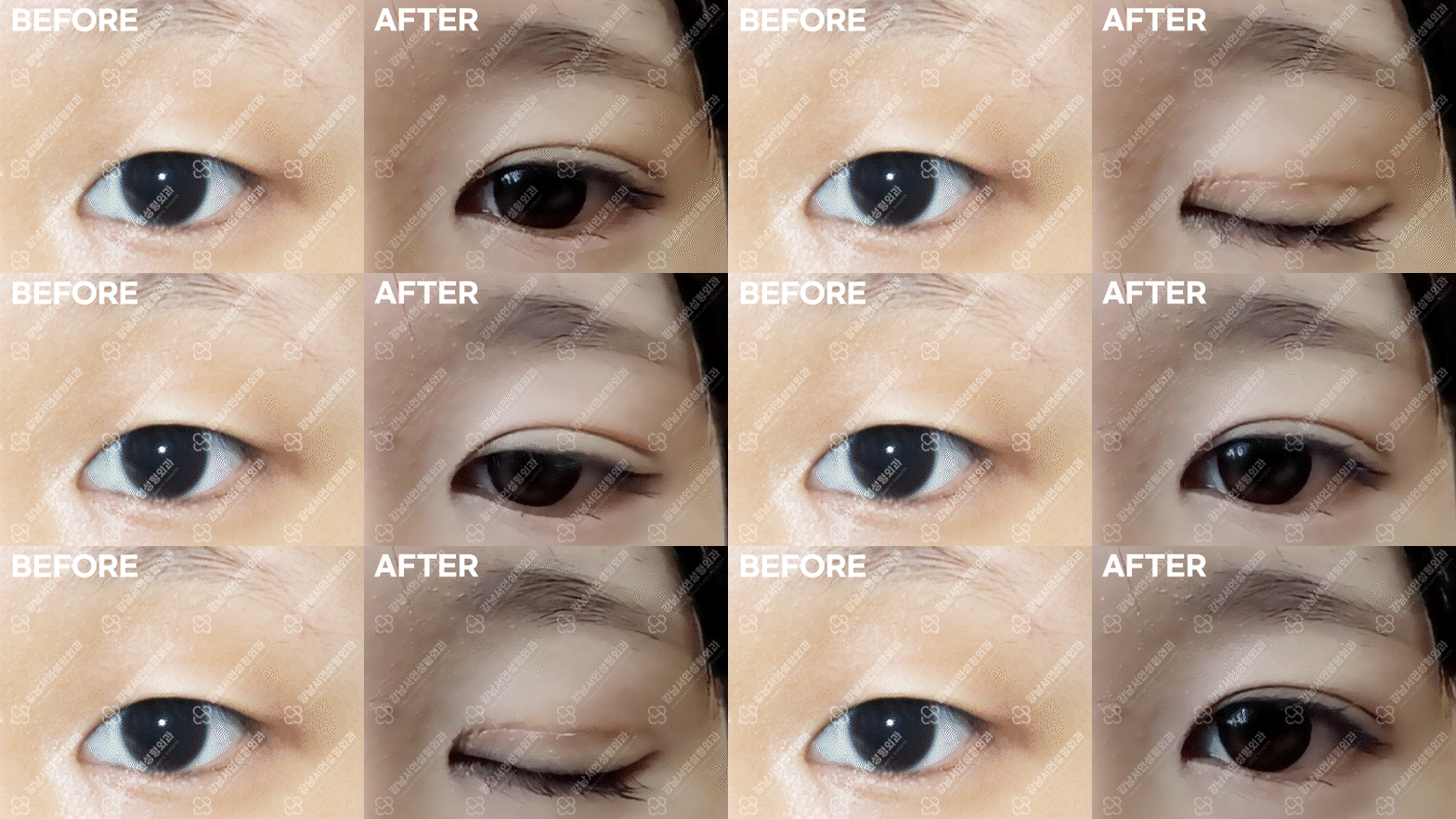
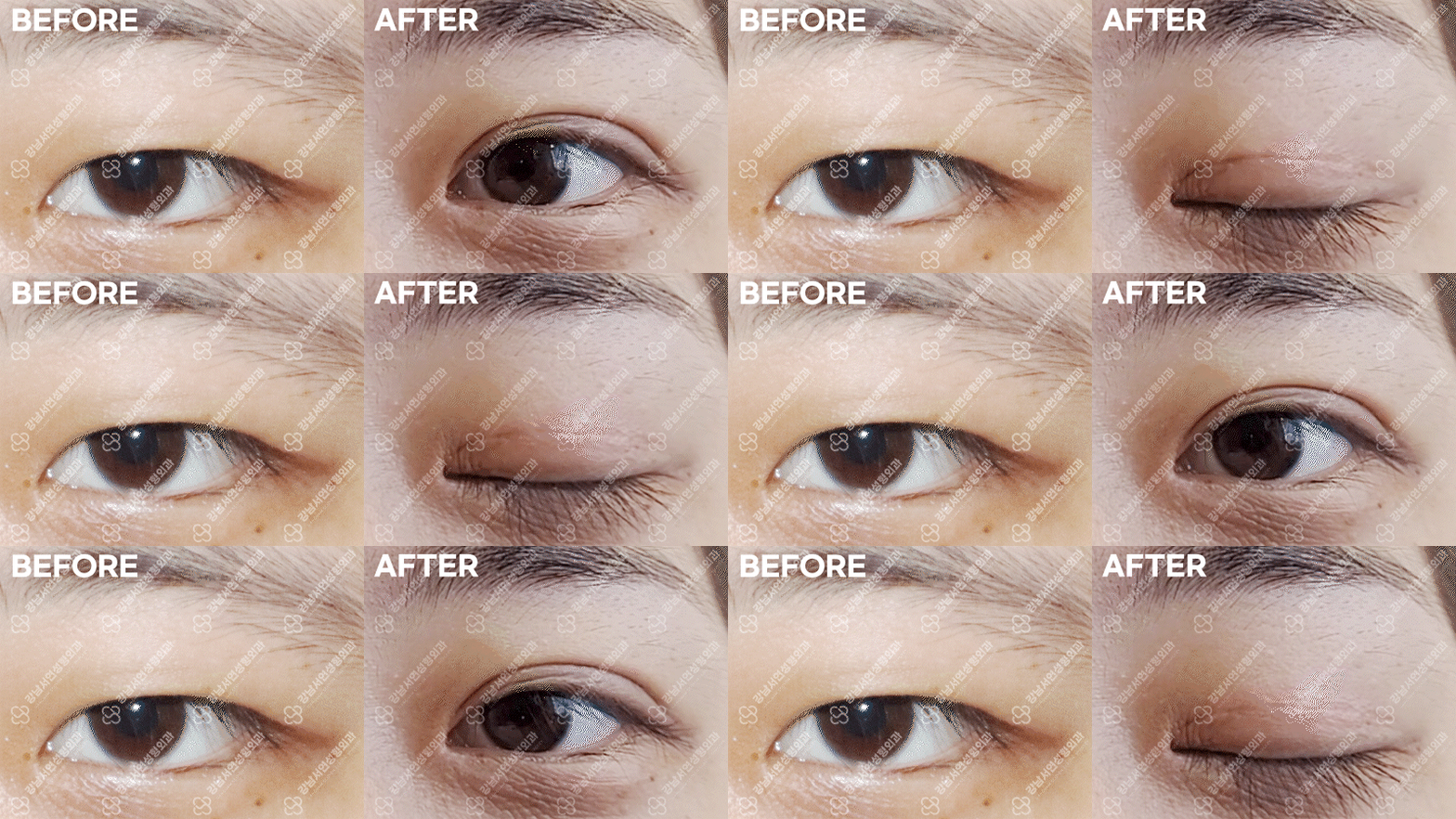
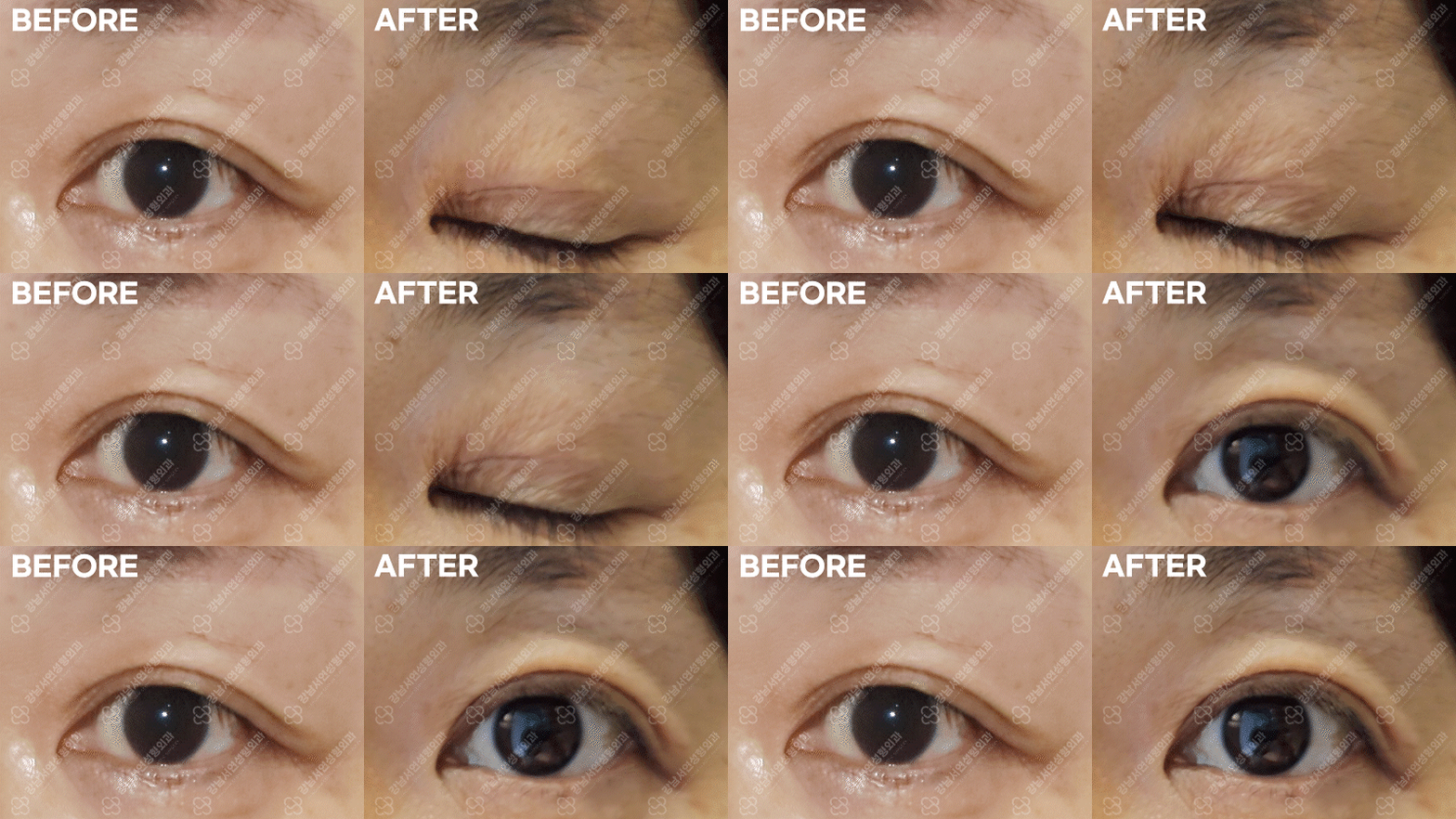
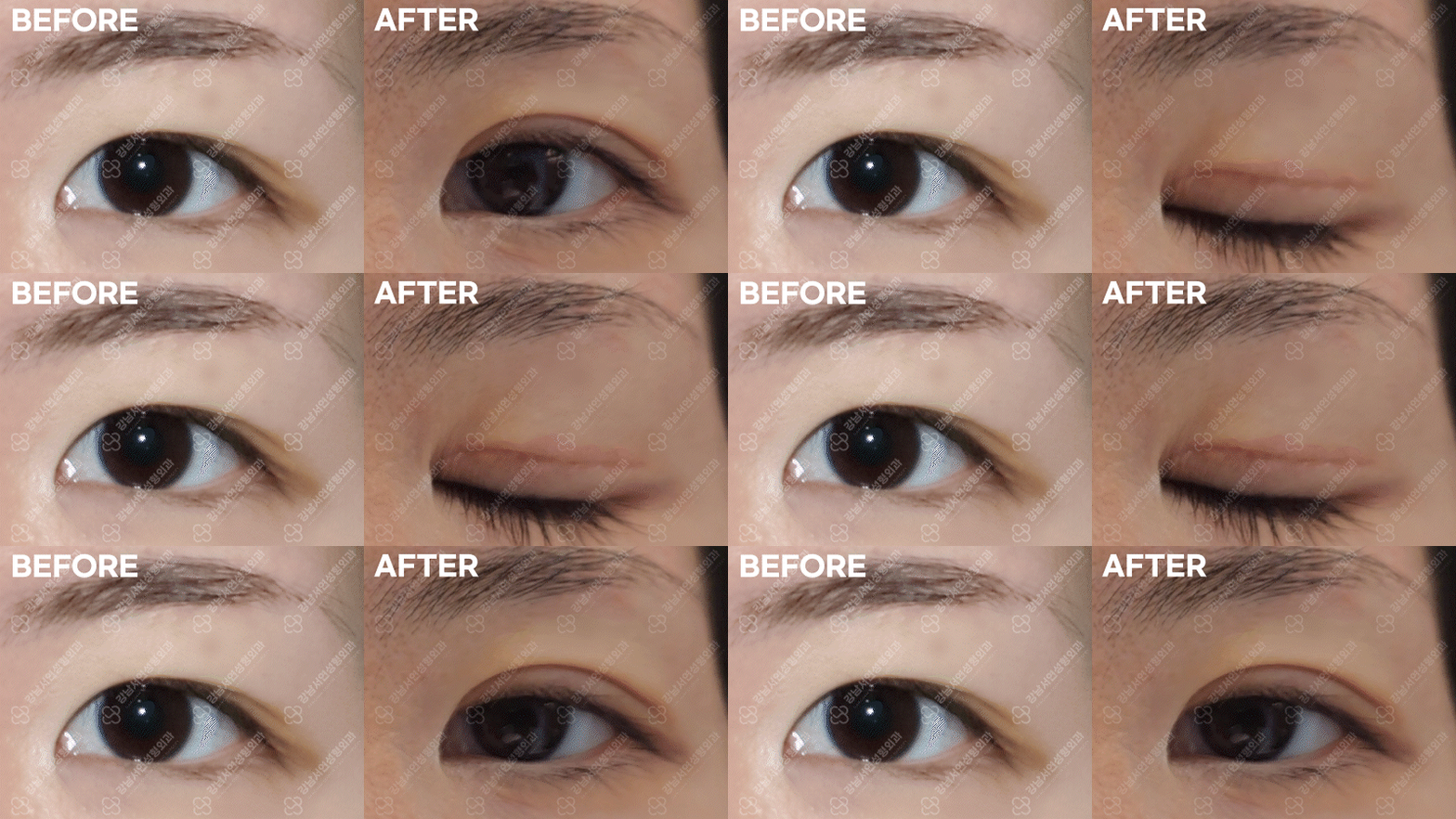
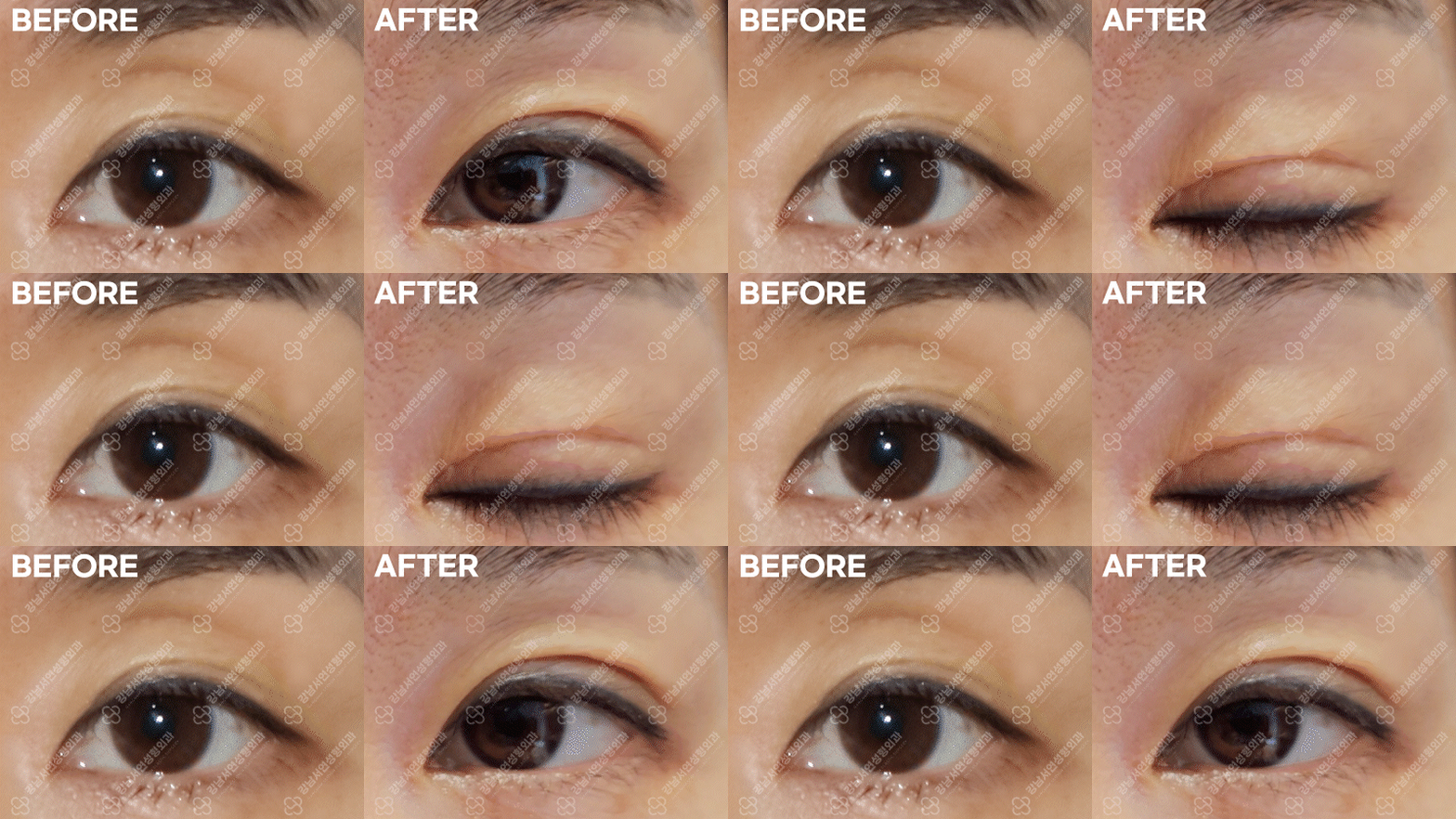
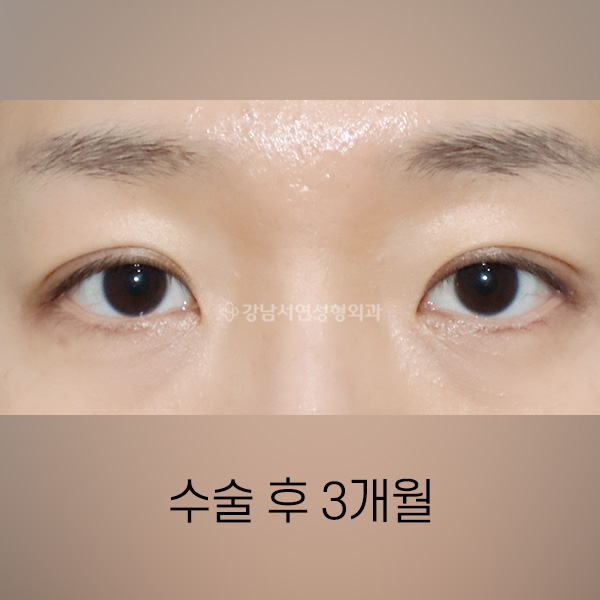
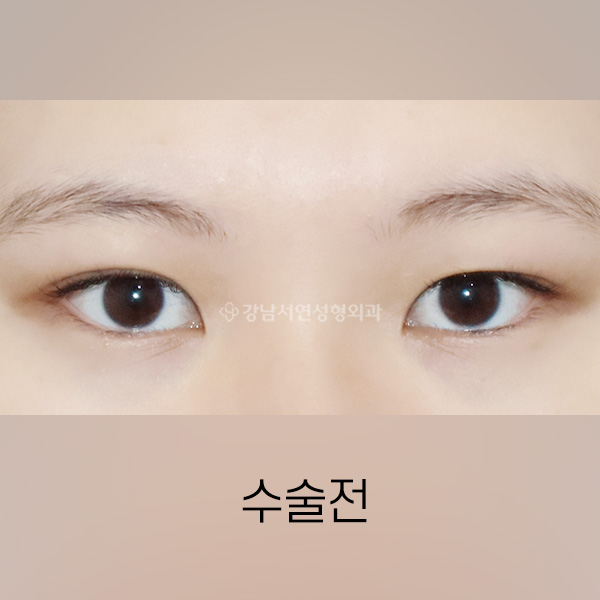
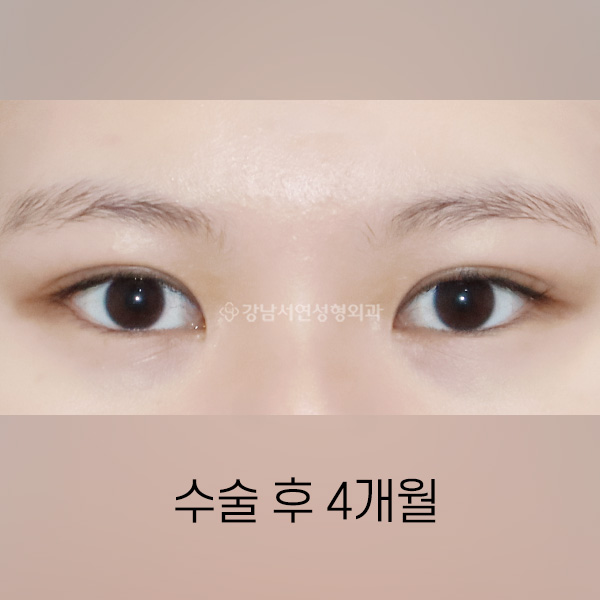
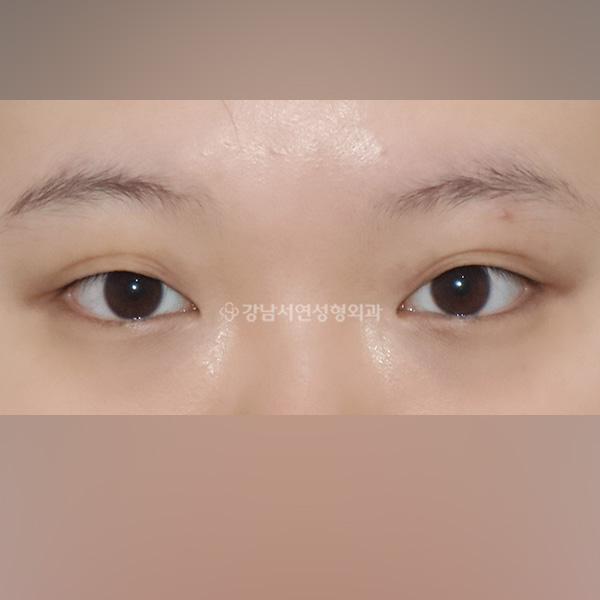
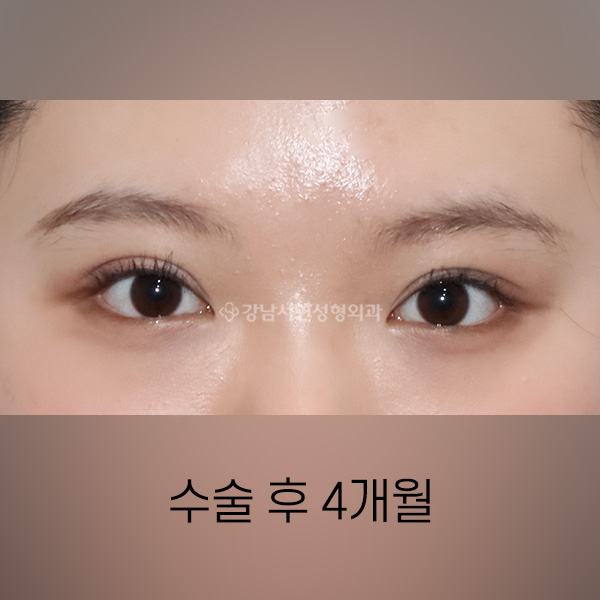
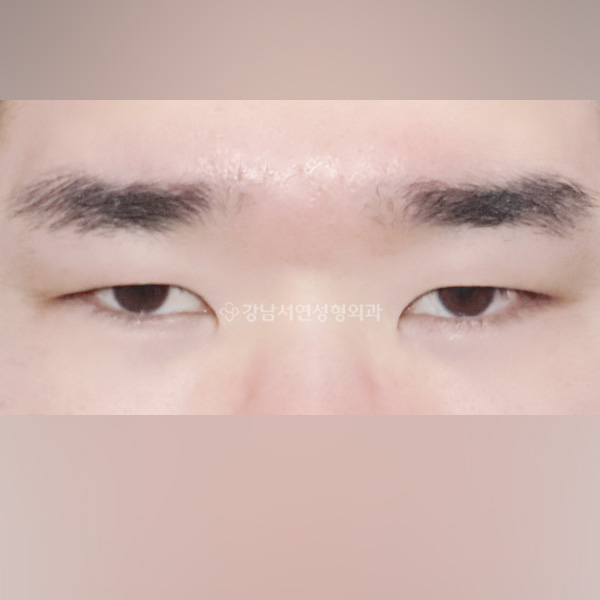
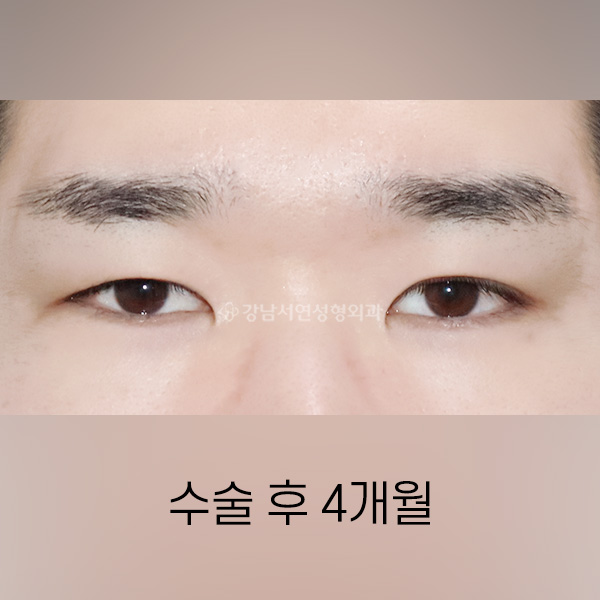
Four outcomes patients can expect from the incisional method.
All photographs shown are taken six months after surgery. Additional cases are available in the Before & After section of the menu.
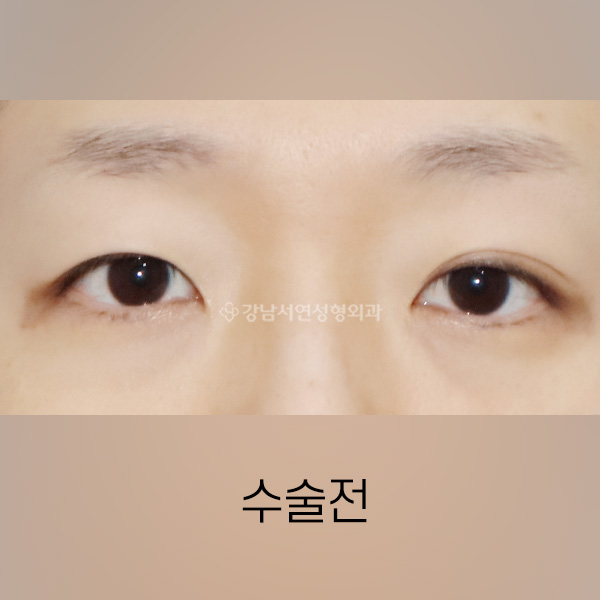
Long-form videos walking through the incisional method, presented by Dr. Choi.
Every inquiry is reviewed personally by Director Choi Dong-Il.