Quick ConsultHoursDirectionsAll Menus
EYELID REVISION

Multiple Fold Correction

Smoothing out unintended layered creases on the upper eyelid.

"

Resolving multiple folds
without unnecessary additional procedures.

"Careful dissection and the prevention of re-adhesion — without resorting to ptosis correction or fat grafting unless they are clearly indicated — is our preferred approach."

— Dr. Choi Dong-Il, Director

ABOUT

What Is Multiple Fold Correction?

A precise procedure that addresses unintended layered creases on the upper eyelid.

Restoring a Single, Smooth Fold

Multiple fold correction calls for a carefully considered plan. Multiple folds present as unintended creases above the main double eyelid line, leaving the upper lid with several layered lines rather than a single, clean fold.

※ Surgical and recovery details may vary depending on the patient's individual condition.

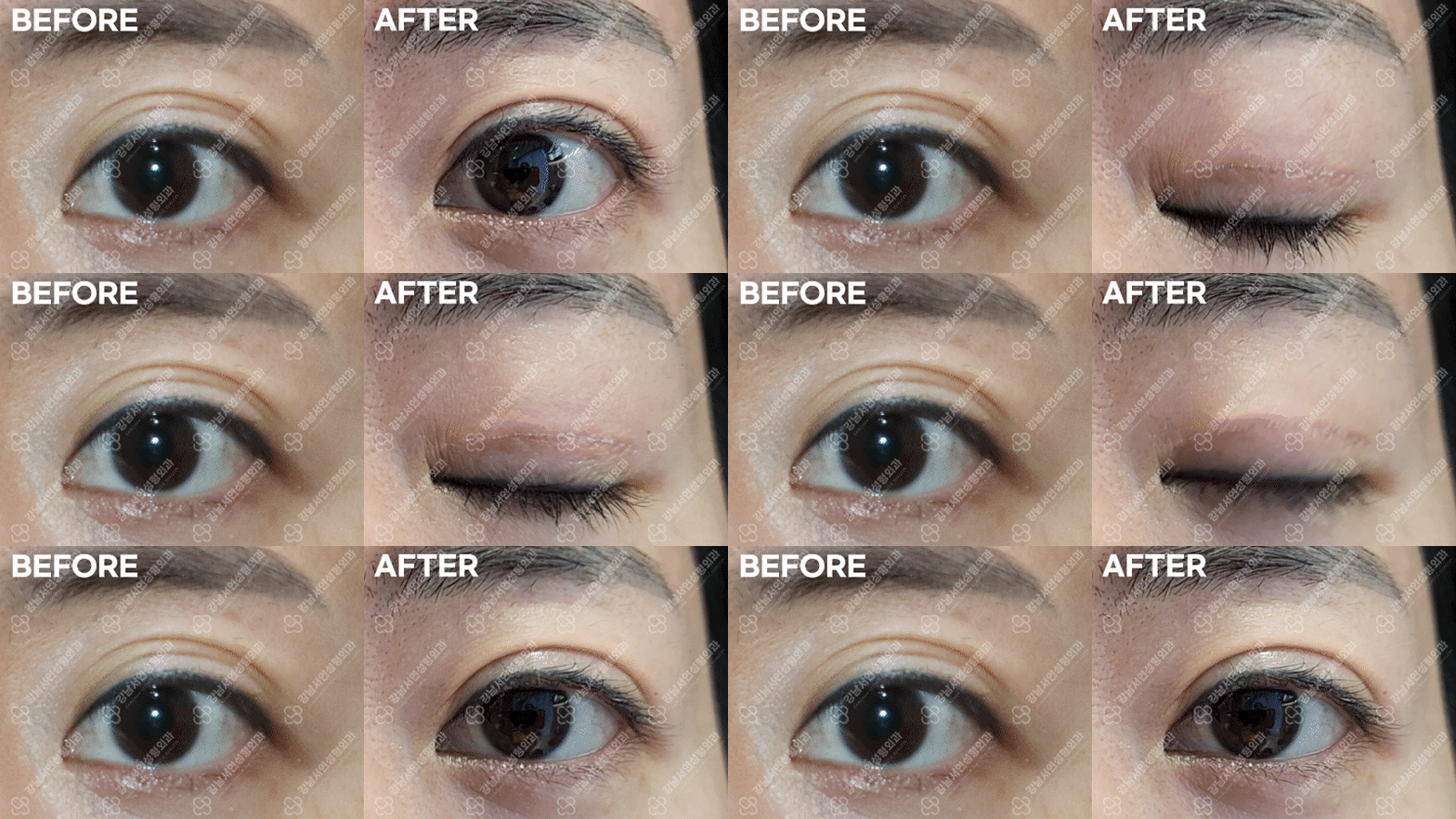
VISUAL · GIF
Multiple folds before/after comparison
PROCEDURE INFO

Procedure at a Glance

From surgery time to return to daily life.
Surgery Time
30–60 minutes
Anesthesia
Sedation / Local
Visits
1–2
Stitch Removal
After 5–7 days
Hospitalization
Same-day discharge
Daily Activity
After 3–7 days
Malignant Multiple Folds

Malignant Multiple Folds

Ptosis Correction + Fold Improvement

Ptosis Correction + Fold Improvement

Multiple Fold Correction

Multiple Fold Correction

Multiple Fold Correction

Multiple Fold Correction

Malignant Fold Correction

Malignant Fold Correction

TIMING

The appropriate timing for multiple fold correction.

In most cases, revision is performed approximately six months after the original surgery — the time generally required for matured scar tissue to soften. When the symptoms are severe enough to interfere with daily life, however, revision may be performed earlier as clinically appropriate.

CANDIDATES

Suitable Candidates

Four clinical situations in which multiple fold correction is most effective.

01

Adhesion following prior revisions
such as double-line excision or retraction repair

02

Congenital
multiple folds

03

Thin eyelid skin with
limited underlying tissue

04

Folds loosening as
a previous ptosis correction releases

CAUSE

Treatment Is Guided by the Underlying Cause

Multiple folds can arise from several different causes; identifying the specific one is what allows the result to look natural.

📐
CASE
Causes of multiple folds

Post-Surgical Adhesion

Develops as a result of adhesion following revisional procedures such as double-line excision or retraction repair.

📐
CASE
Congenital or loosening pattern

Congenital or Loosening Pattern

Congenital multiple folds, or folds that loosen as a previous ptosis correction releases over time.

METHOD

Surgical Approach

A three-step approach: dissection, prevention of re-adhesion, and selective fat grafting when indicated.

PRINCIPLE

Precise Dissection with Minimal Additional Procedures

Avoiding ptosis correction and fat grafting whenever they are not strictly indicated.

STEP 01
🔬
DISSECTION
Careful dissection
of the adhesion
STEP 02
🛡
PREVENT
Interposing healthy tissue
or fat to prevent re-adhesion
STEP 03
OPTIONAL
Fat grafting only
when volume is genuinely lacking
PRINCIPLE 01

Fat grafting is occasionally indicated, but in most cases it is not necessary.

PRINCIPLE 02

Ptosis correction is similarly indicated only in selected cases.

SIGNATURE

Correction performed without unnecessary additional procedures
such as ptosis correction or fat grafting.

SIGNATURE

Three Principles in Multiple Fold Correction

Minimal additional procedures, supported by careful dissection.

01

A careful diagnosis by an experienced, board-certified plastic surgeon.

02

An individualized design that takes the eye shape, current condition, and overall facial balance into account.

03

Thorough planning and refined surgical technique to minimize tissue trauma.

Important Information Possible postoperative complications include bleeding, infection, and inflammation. Severity may vary by individual; please proceed with appropriate caution.
BEFORE & AFTER

Patient Results

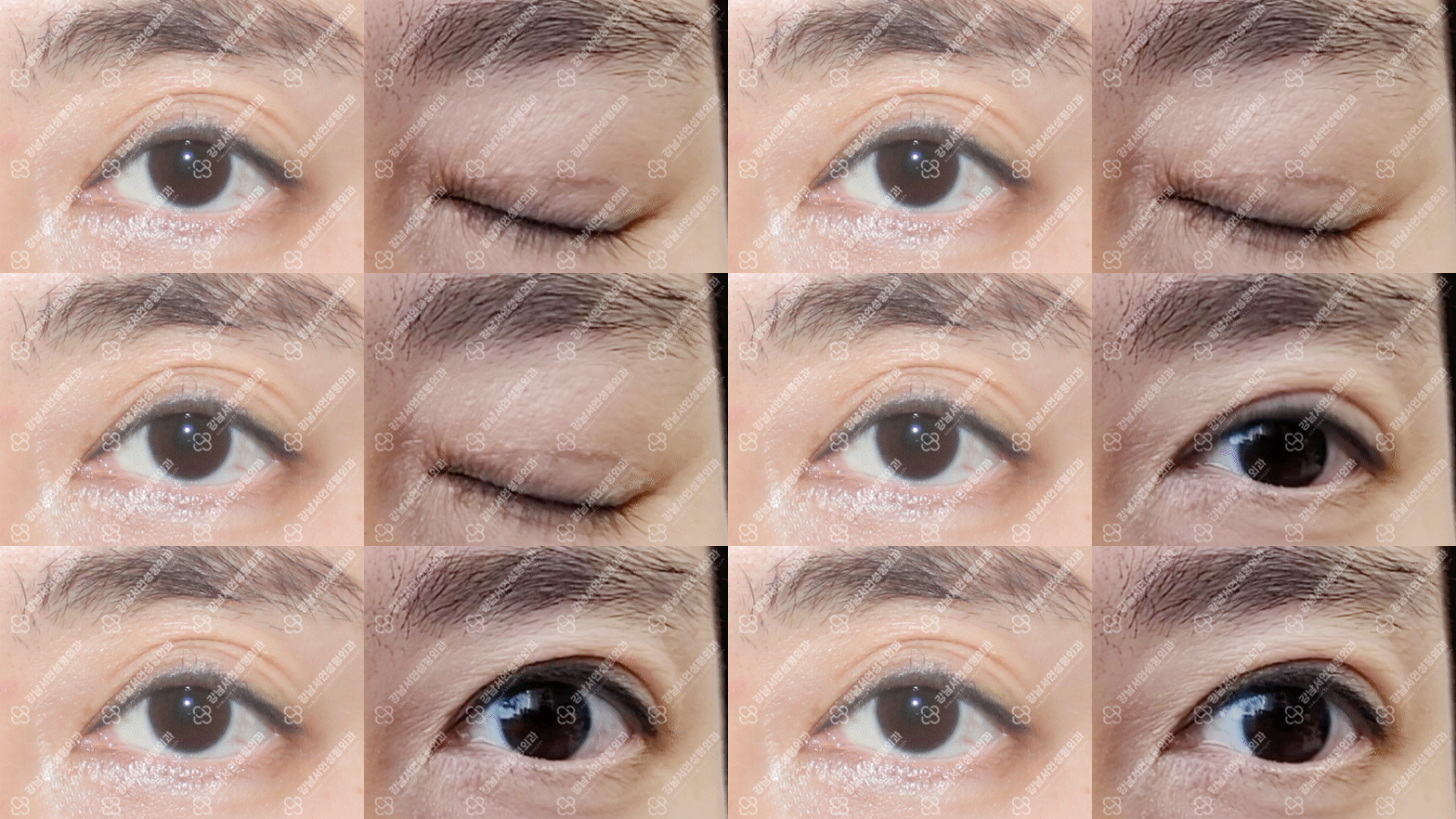
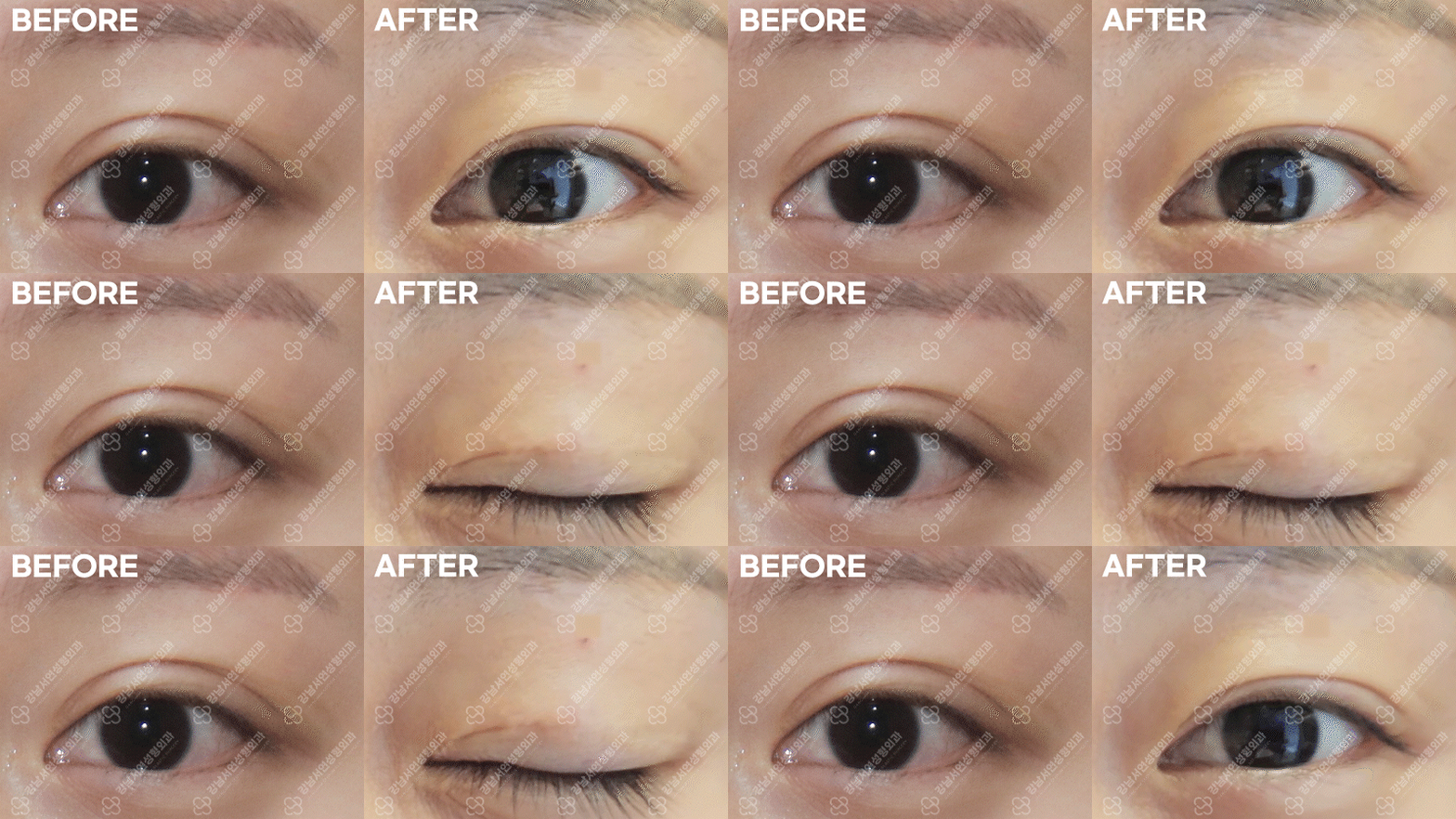
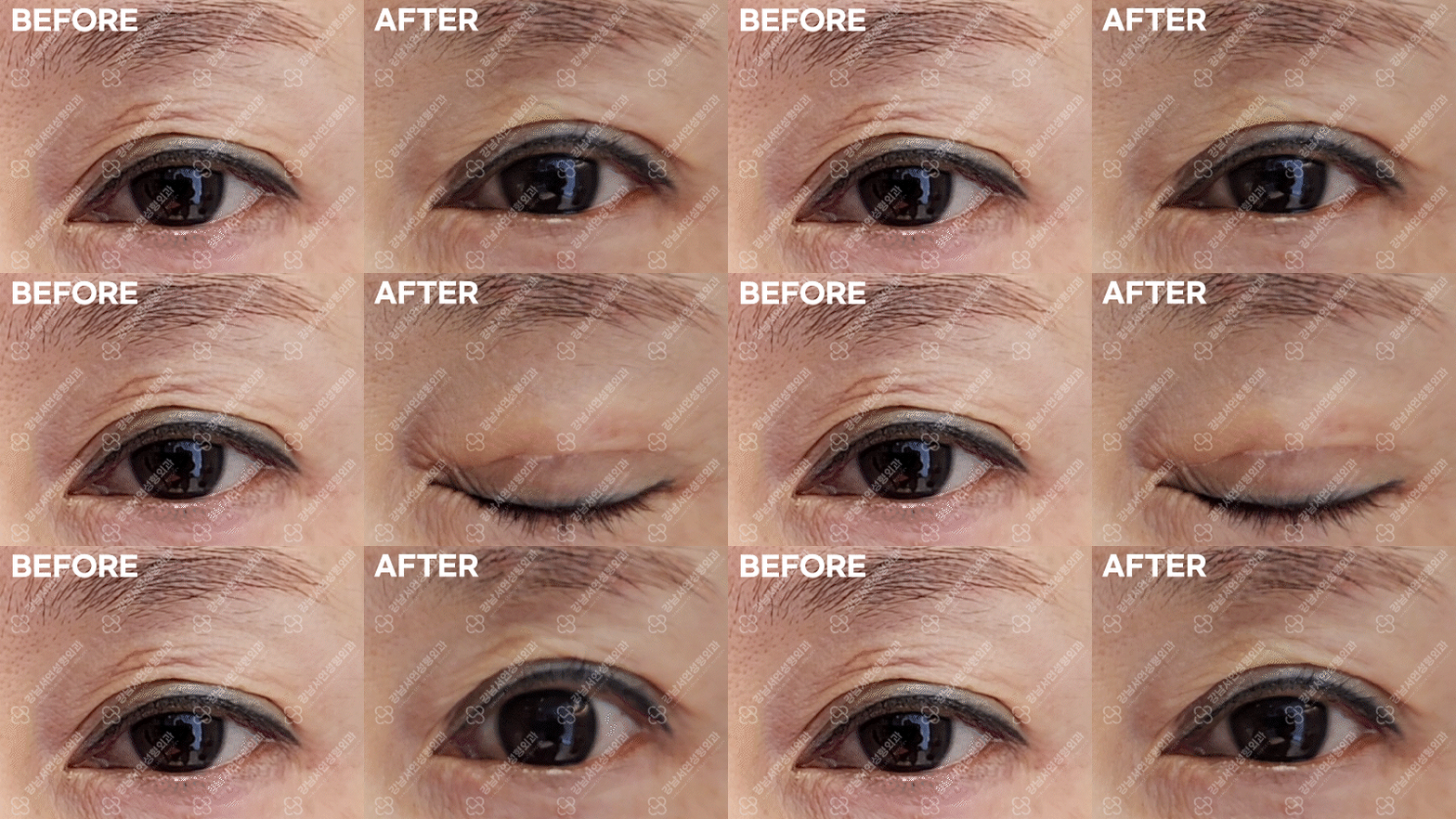
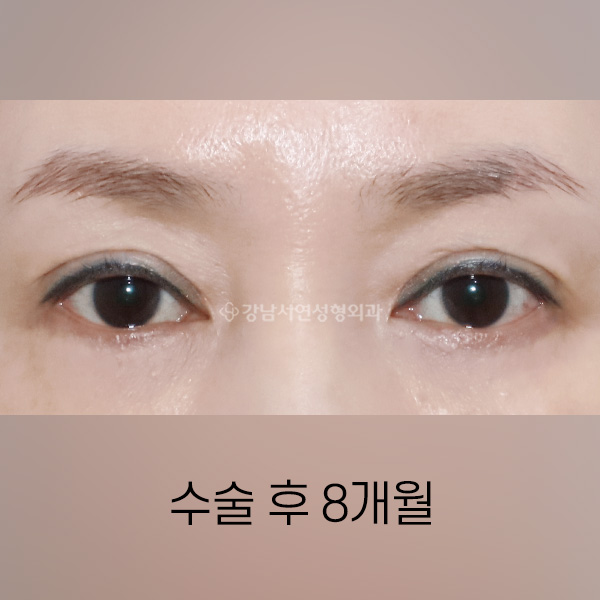
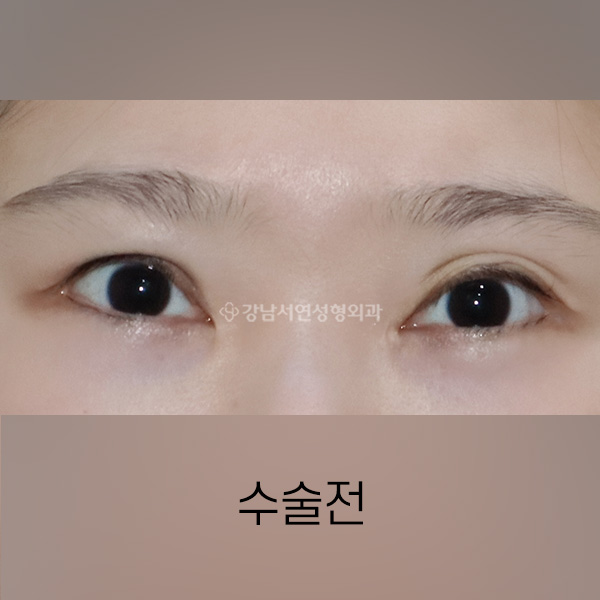
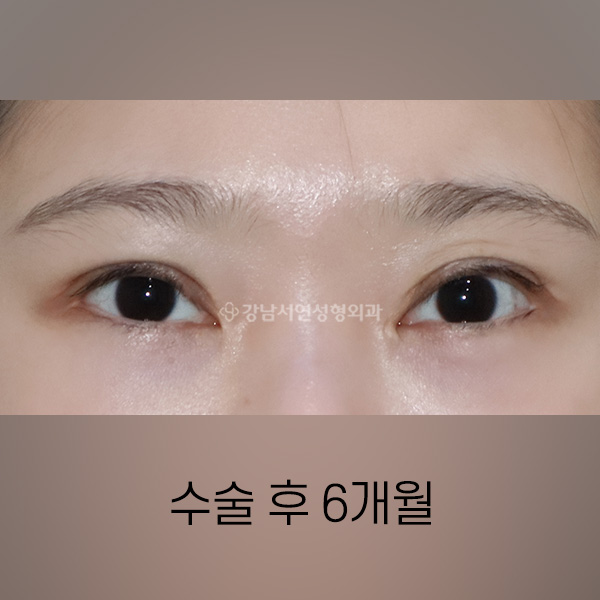
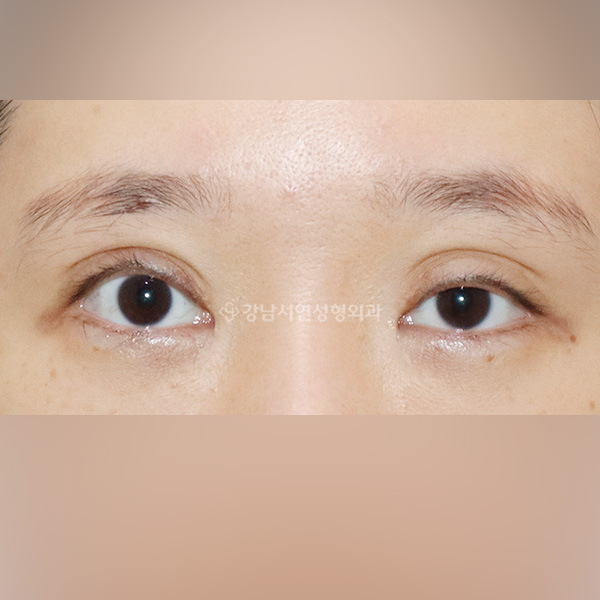
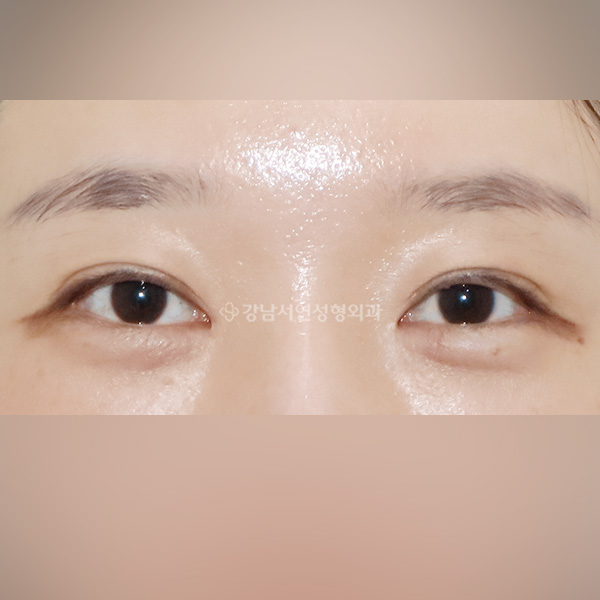
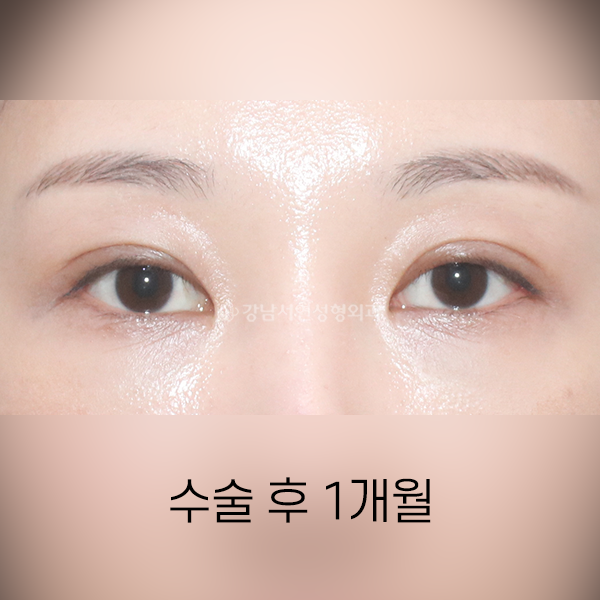
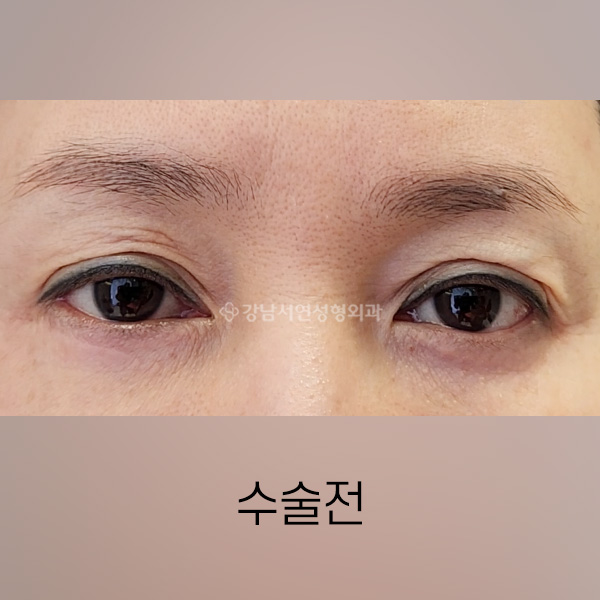
All photographs shown are taken six months after surgery.
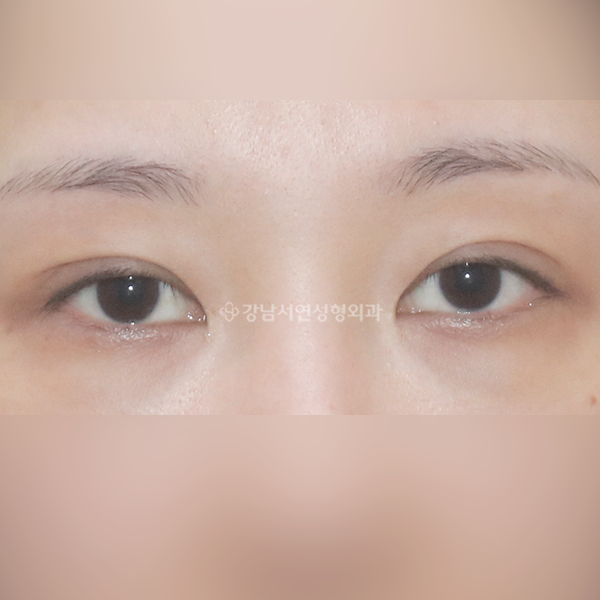
Multiple folds after fat grafting · foreign material removal + line correction BEFORE Multiple folds after fat grafting · foreign material removal + line correction AFTER
BEFORE
AFTER
#MultipleFolds

Multiple Folds After Fat Grafting — Foreign Material Removal + Line Correction

KNSY Case #23
Bilateral retraction repair + multiple fold correction BEFORE Bilateral retraction repair + multiple fold correction AFTER
BEFORE
AFTER
#RetractionRepair#MultipleFolds

Bilateral Retraction Repair + Multiple Fold Correction

KNSY Case #29
Retraction repair + mucosal eversion correction + double-line excision + multiple fold correction BEFORE Retraction repair + mucosal eversion correction + double-line excision + multiple fold correction AFTER
BEFORE
AFTER
#DoubleLineExcision#RetractionRepair#MultipleFolds

Retraction Repair + Mucosal Eversion Correction + Double-Line Excision + Multiple Fold Correction

KNSY Case #46
Asymmetry · multiple fold correction · eyelid revision BEFORE Asymmetry · multiple fold correction · eyelid revision AFTER
BEFORE
AFTER
#EyelidRevision#MultipleFolds

Asymmetry · Multiple Fold Correction · Eyelid Revision

KNSY Case #84
See More Before & After
REAL VIDEO

Real Cases · Expert Guide

Cases of stacked extra folds, over-corrected ptosis combined with a failed double-line, and an 18-month follow-up.

REAL CASE

Erasing Extra Folds with a Ptosis Revision

A combined case in which extra folds were resolved alongside revisional ptosis correction.

EXPERT GUIDE

Stacked Folds from Over-Corrected Ptosis and Failed Double-Line

Two failure modes — over-corrected ptosis and a failed double-line revision — combine into a single multiple-fold pattern. This is how it presents and how we approach it.

REAL CASE · 18 MONTHS

Triple-Fold Eyelid — 18 Months After Repair

An 18-month follow-up of a severe triple-fold case, captured without retouching.

EXPERT GUIDE

Director's Surgical Notes

Key considerations before surgery, explained on video by Dr. Choi.

FAQ

Frequently Asked Questions

When can the surgery be performed?
For most patients, approximately six months after the original surgery is the appropriate time. When the symptoms are severe enough to interfere with daily life, however, revision may be performed earlier as clinically indicated.
Are ptosis correction or fat grafting always required as part of the procedure?
In most cases, no. Our preferred approach is to resolve the issue through careful dissection and prevention of re-adhesion alone, with additional procedures performed only when there is a clear clinical indication.
Can congenital multiple folds also be addressed?
Yes. The approach varies depending on skin thickness and the underlying tissue condition, so a careful diagnostic evaluation is essential.
Is there a risk of recurrence?
Interposing healthy tissue or fat to prevent re-adhesion helps minimize the risk of recurrence. Individual variation in healing capacity may still play a role.
How long is the recovery?
Stitches are removed at five to seven days, with most patients returning to daily activities within three to seven days. The final, settled result typically becomes apparent over three to six months.
Important InformationAs with any surgery, possible complications include bleeding, infection, and inflammation. Individual results vary.
CONSULT

Schedule a Consultation

Every inquiry is reviewed personally by Director Choi Dong-Il.

Clinic
Blog
Doctor's
Blog
Cafe KNSY
TV
Insta-
gram
Kakao
Channel
Doctors Eyes Events Before
& After
Patient
Reviews
B&A
Videos
Kakao
Talk
+82-2
535-8889
Find Us TOP ↑