Correcting the outcomes of prior incisional surgery — without compounding the scar.
"Revision demands greater precision than the original surgery. A revision that does not address the underlying cause tends to lead to yet another revision."
— Dr. Choi Dong-Il, Director
Unsatisfactory results, side effects, fold loss, heavy scarring, or a heavy fold — each requires careful identification of the underlying cause.
When the result of an incisional double eyelid surgery is unsatisfactory, or when complications have appeared, incisional revision can address the issue. Patients seek revision for a range of reasons — an unsatisfactory result, persistent side effects, a fold that has come undone, heavy scarring, or a fold that has set in too prominently — and these concerns frequently overlap.
Scar tissue and altered anatomy from the prior procedure make revision technically more demanding than the original surgery. For that reason, a careful diagnosis by a surgeon experienced in eyelid revision is essential, together with a treatment plan tailored to the specific cause.
※ Surgical and recovery details may vary depending on the patient's individual condition.
Revision is generally performed once the scarring has matured, the swelling has resolved, and the fold has fully settled — typically six months to one year after the original surgery. Recovery varies by patient, however, and when the initial result is clearly poor, revision within two to three weeks may be appropriate. The most suitable timing is determined during consultation with an experienced specialist; early correction in particular calls for a surgeon familiar with a wide range of clinical situations.
From surgery time to return to daily life.
Five clinical situations in which incisional revision is most effective.
Folds that are too low
or too narrow
Folds that have
come undone
Asymmetric folds
between left and right
Severe swelling or
scarring after surgery
Unsatisfactory results
after surgery
Many patients delay revision because of a previous unsatisfactory experience, particularly out of concern that the existing scar may worsen. In practice, however, incisional revision does not always leave a heavier scar. The director, who has extensive experience in eyelid revision, personally manages every step from consultation through recovery, with the goal of delivering a safe and satisfying result while keeping scarring to a minimum.
An in-depth consultation aimed at identifying exactly why the previous result fell short.
Meticulous suturing and minimized tissue trauma help keep scarring to a minimum.
The appropriate technique is selected based on the patient's eyelid condition and the underlying cause.
A new fold is created, and the skin between the new line and the existing line is excised, releasing the adhesion so that the closed eye shows a single line. Fold thickness and height can be adjusted.
The existing fold is left intact while a new line is created and the old line is released. Over time, the old line gradually fades. This approach is typically used when eyelid skin is limited.
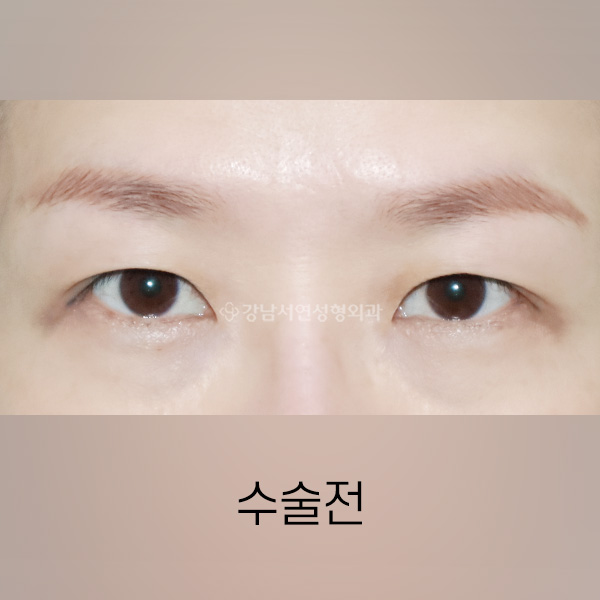
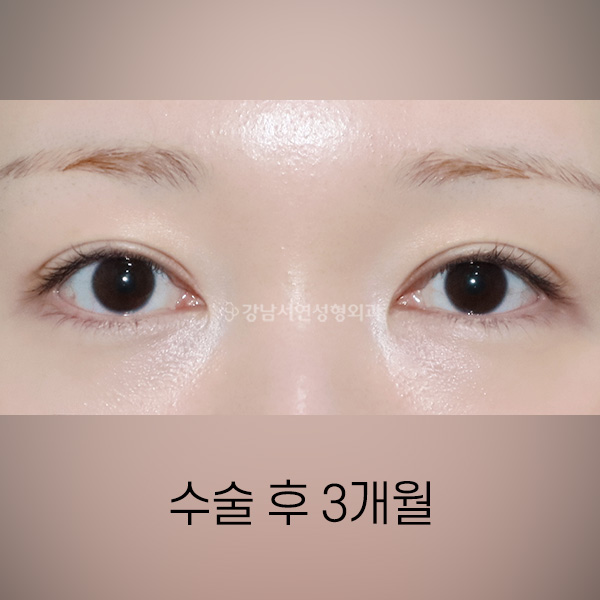
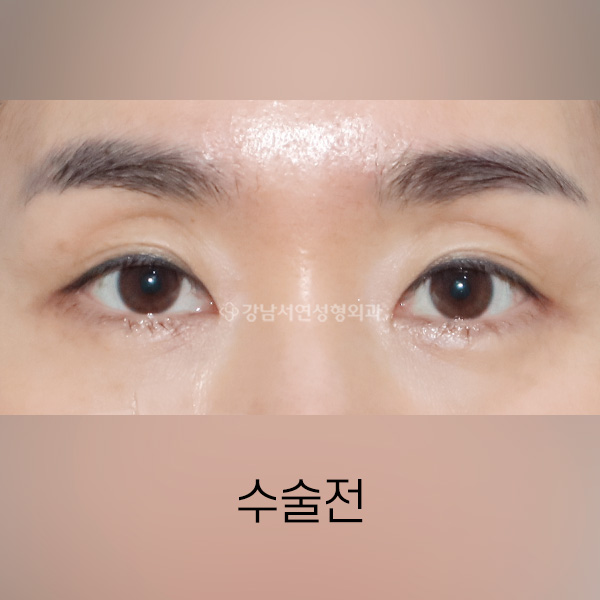
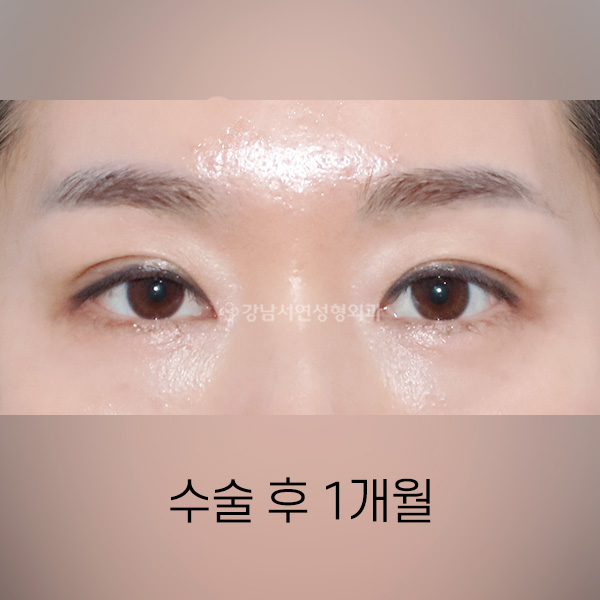
A thick, "sausage-style" crease lowered through revisional incisional surgery. Pre-op and day 10 (immediately after suture removal), shown without retouching.
This often results from weak fold fixation or a method that didn't account for the eyelid's tissue condition. Unnecessary muscle and fat are removed and the fold is recreated through double eyelid surgery or ptosis correction to redefine the line.
Asymmetry can result from incorrect line placement or failure to account for differences in eye-opening strength. One side can be corrected to match the patient's preferred height, but depending on the cause, both sides may need revision.
This may occur when the skin sags after surgery, or the fold was originally placed too low. We lift and fix the sagging skin, or recreate the fold at a higher position.
This often results from inadequate fat removal or a fold designed too high. The fold is released, fat is removed, and a new line is created for improvement.
For patients who already have a fold and want to change to a different shape
Performed when you already have a fold and want a different line shape. IN-line ↔ IN-OUT-line conversion is the most common case.
Current line.
After conversion.
For three or more repeated surgeries, eyes that won't open, unresolvable cases, severe multiple folds, severe sausage line, mucosal exposure, or eyes that open too far — please contact us for a detailed consultation.
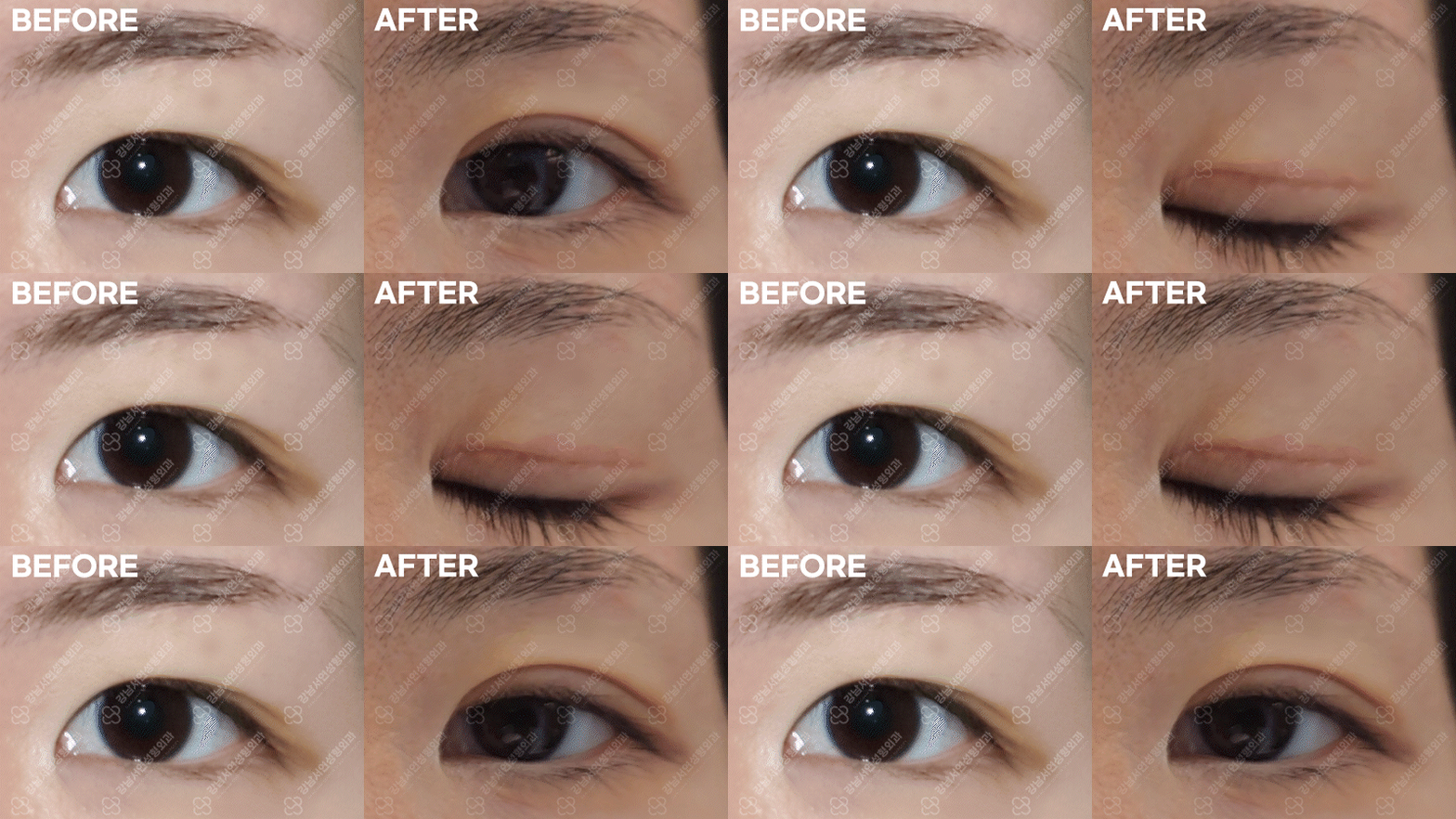
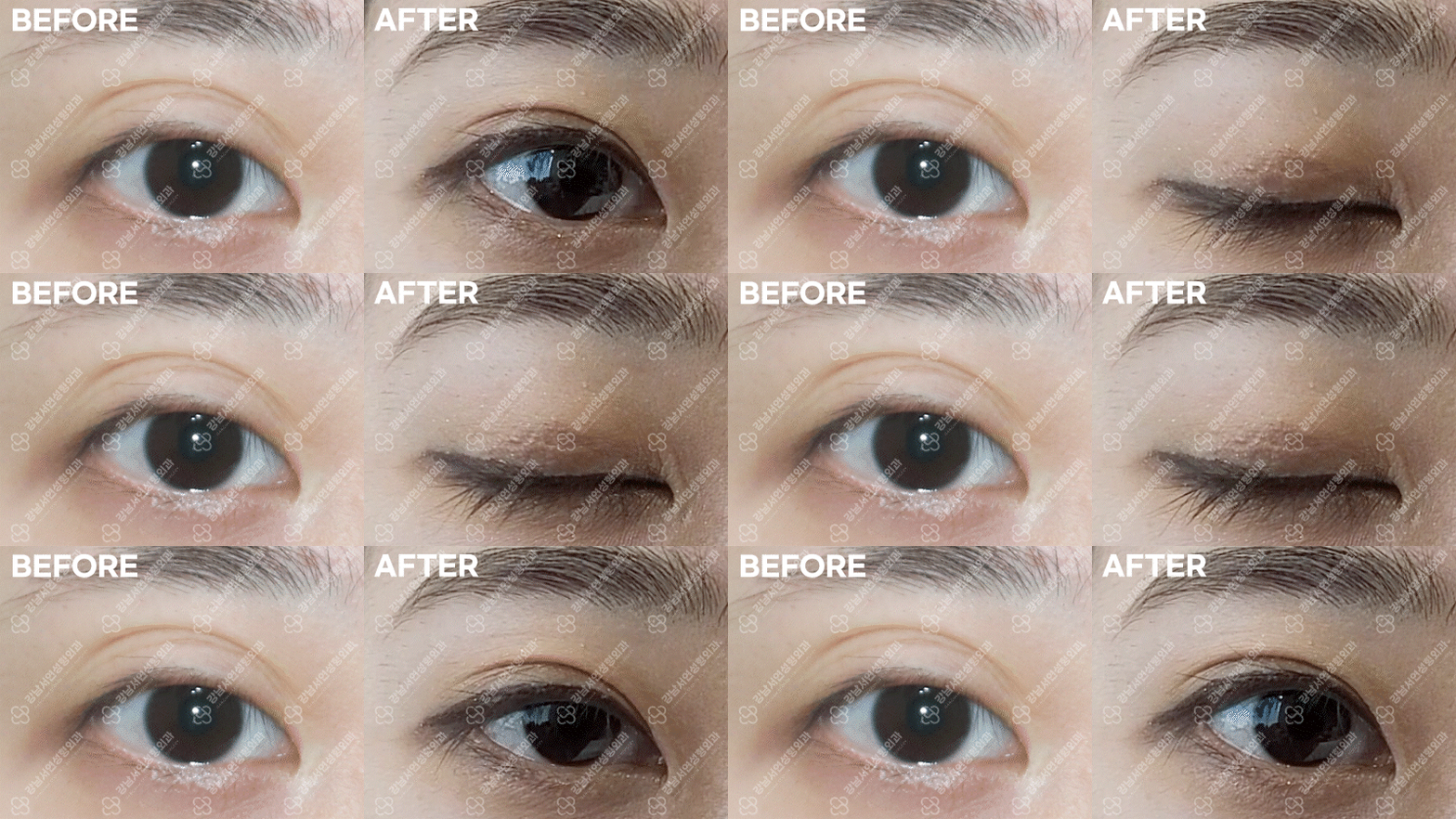
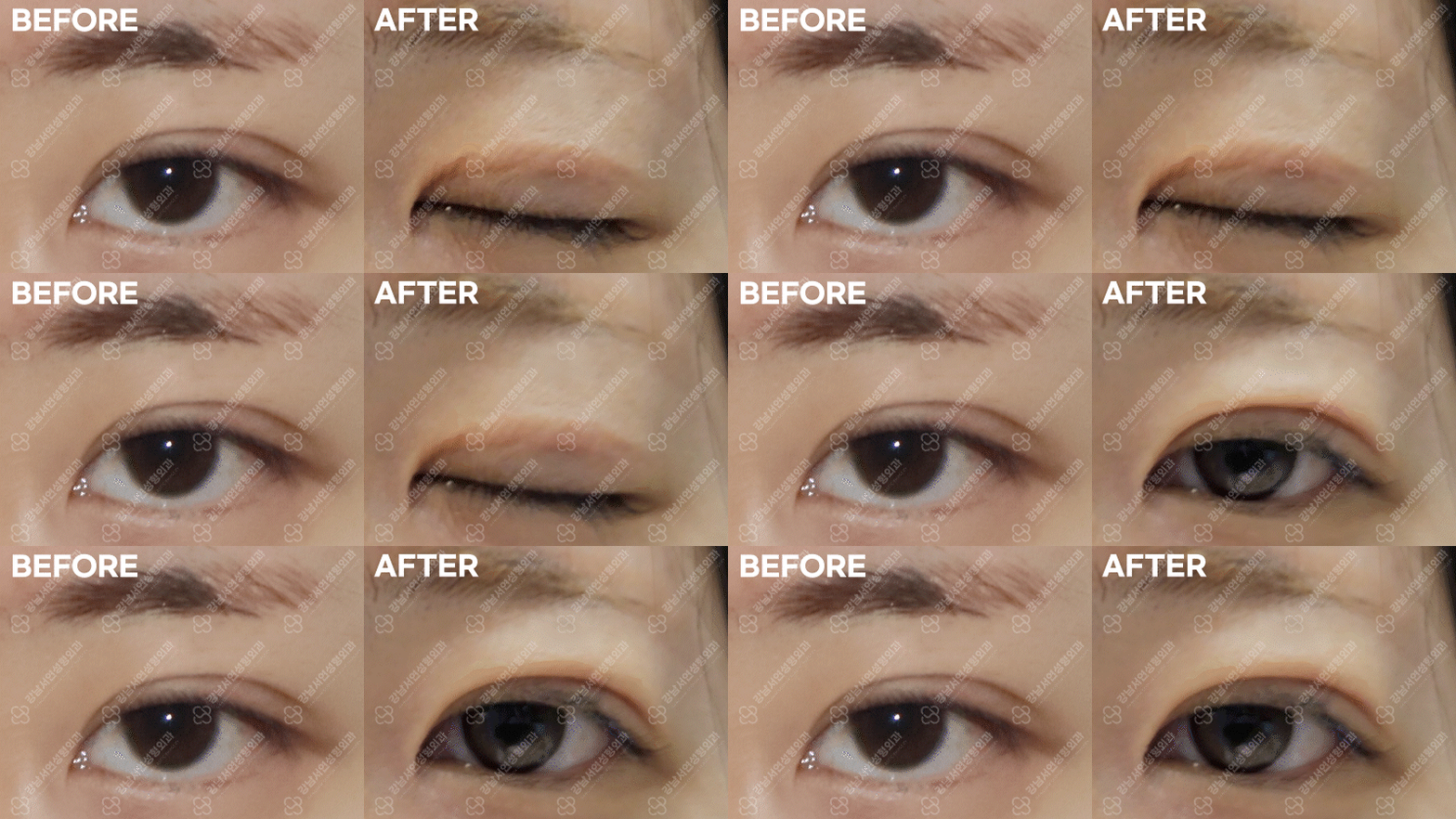


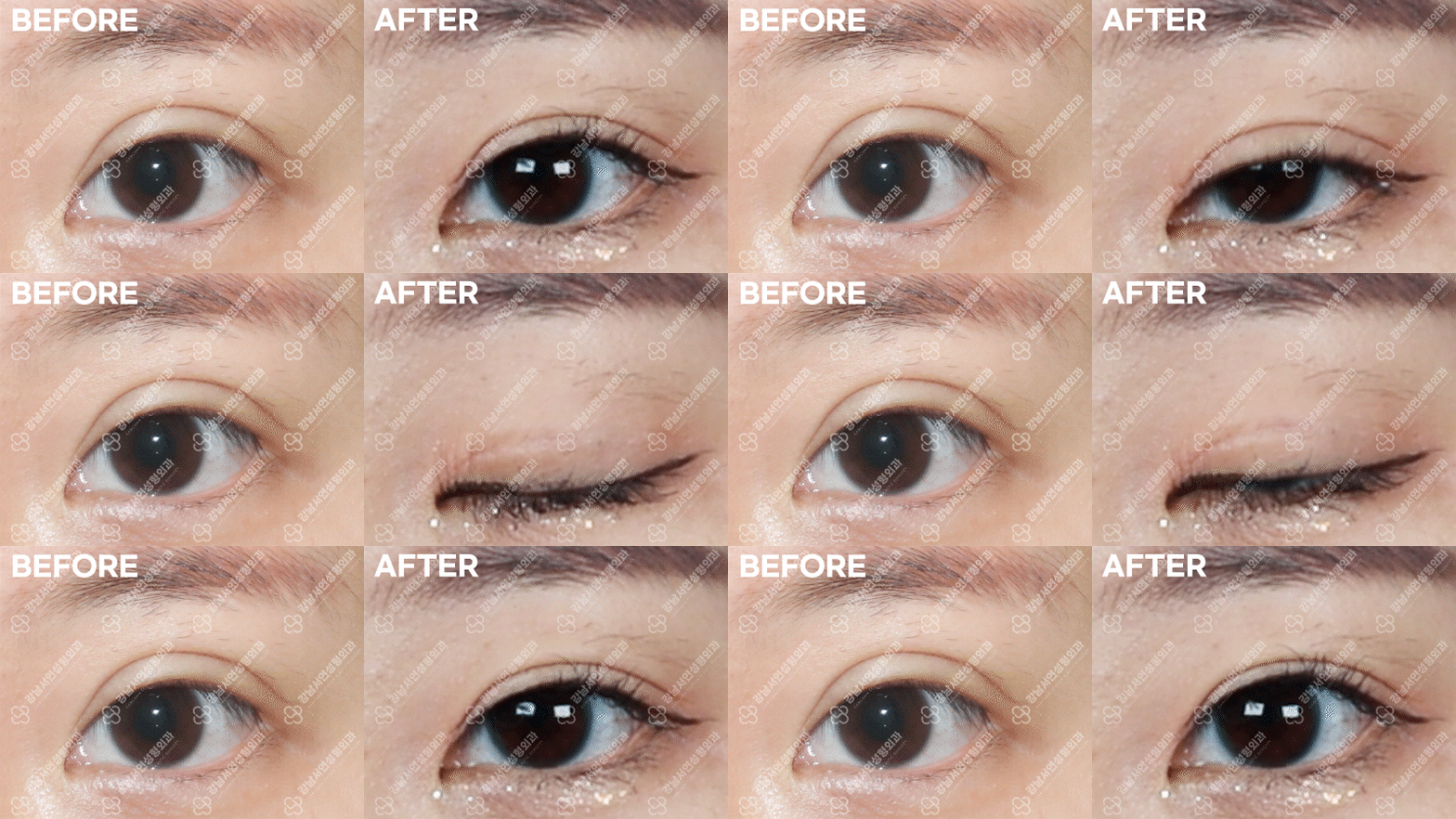
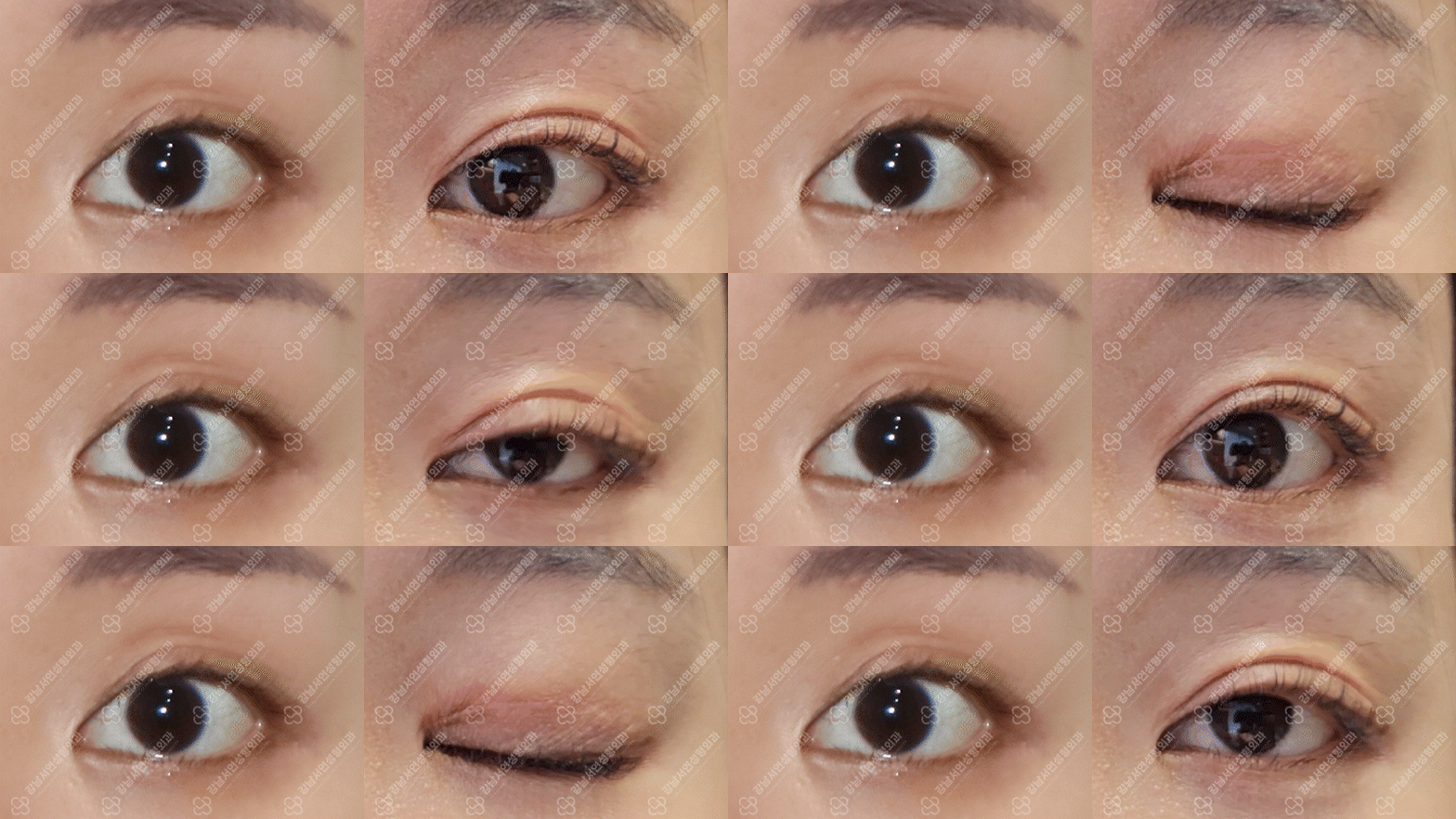
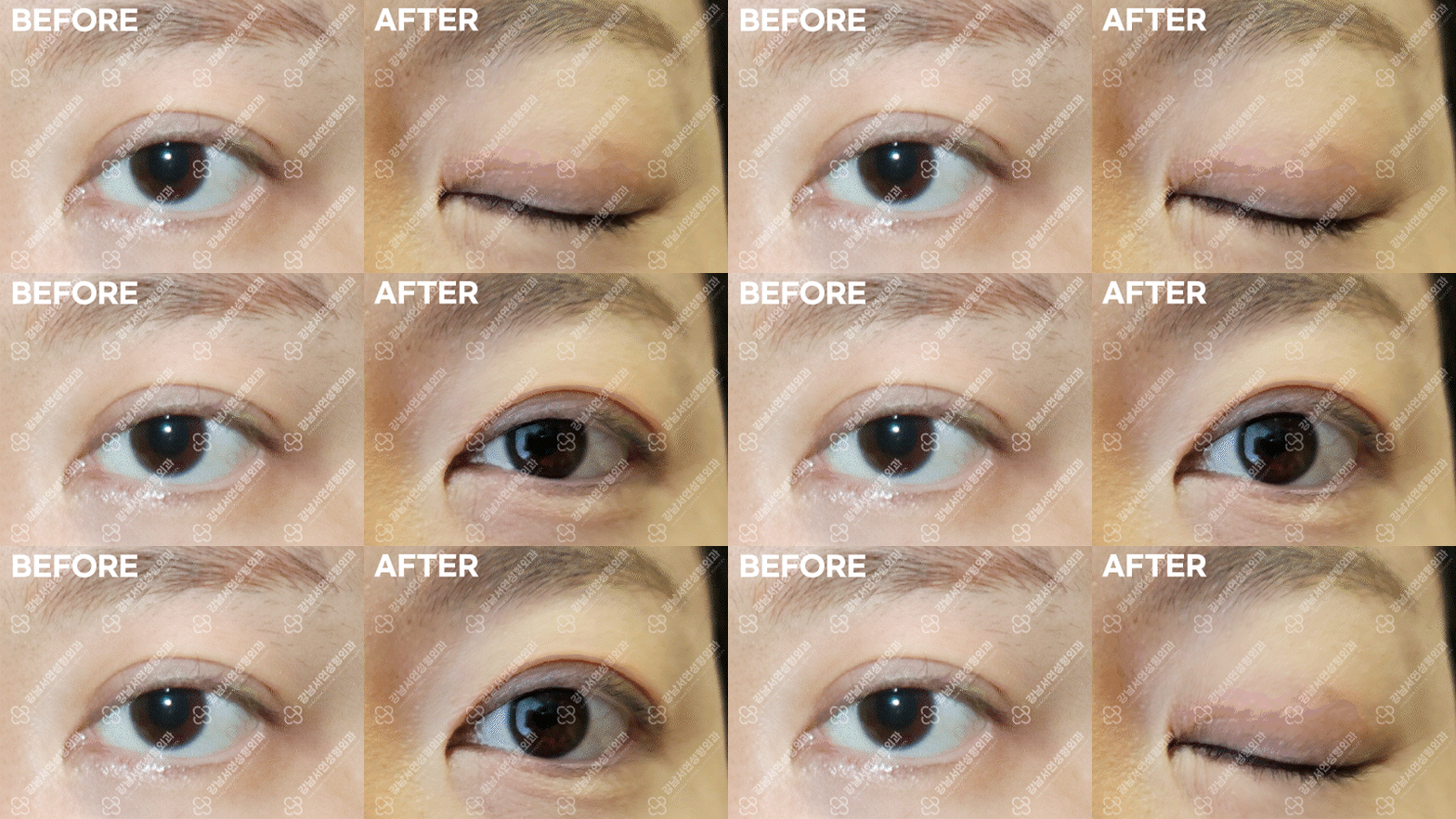
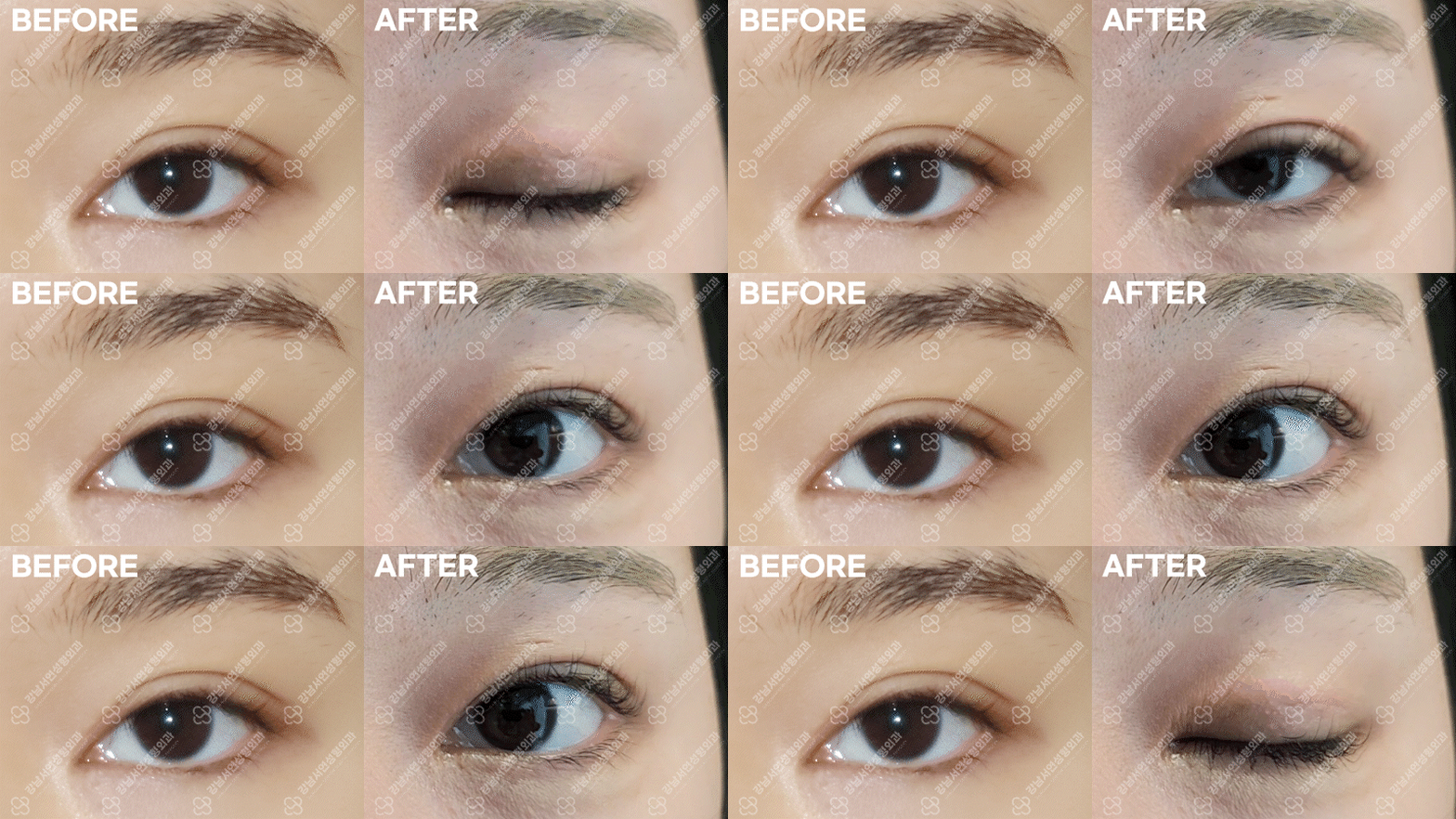
Three principles that support a natural result with minimal additional scarring.
A careful diagnosis by an experienced, board-certified plastic surgeon.
An individualized design that takes the eye shape, current condition, and overall facial balance into account.
Thorough planning and refined surgical technique to minimize tissue trauma.
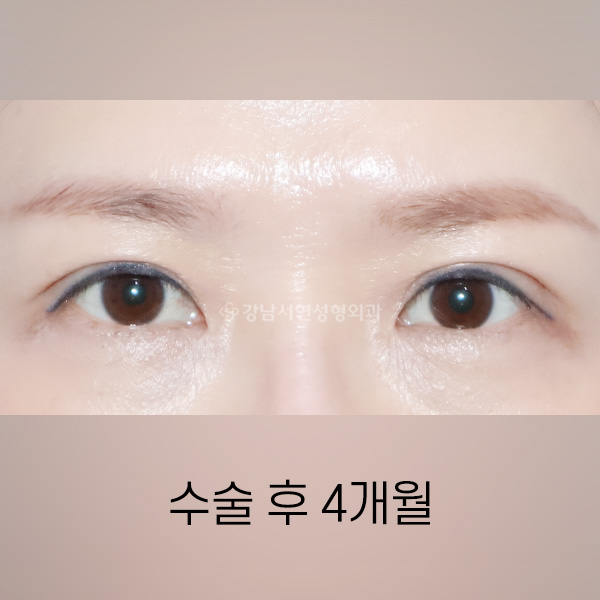
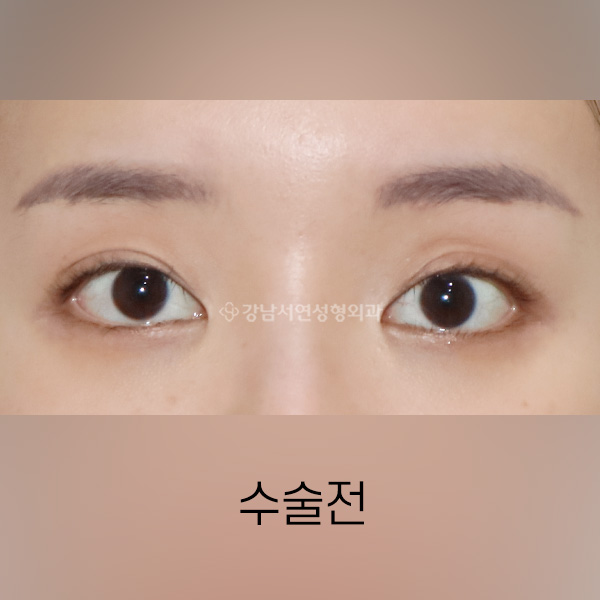
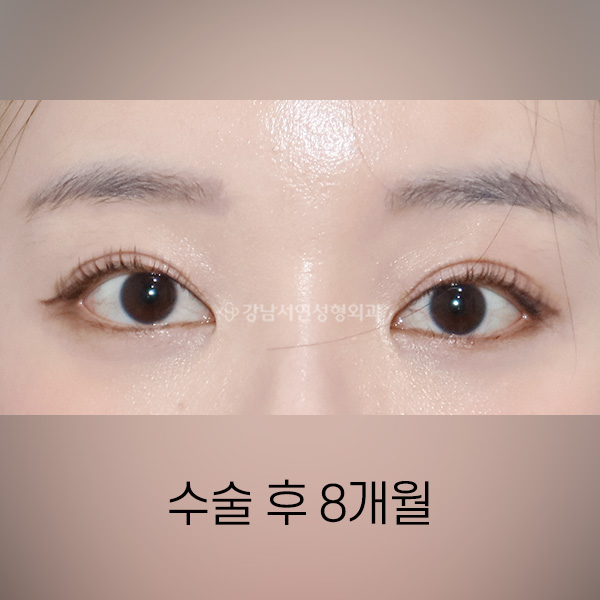
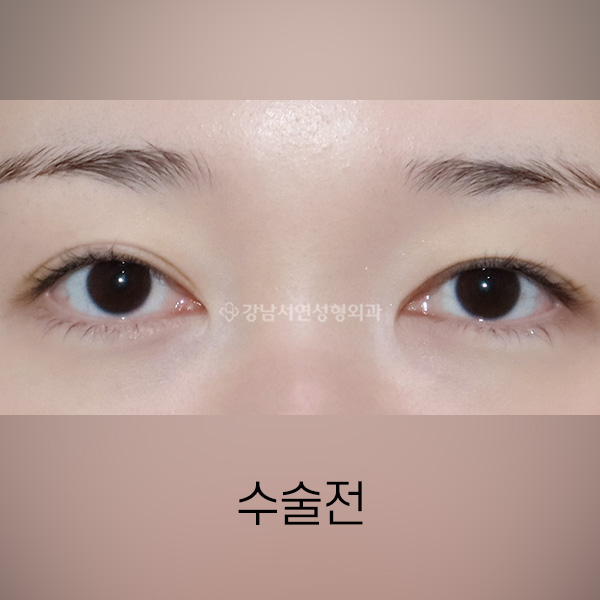
All photographs shown are taken six months after surgery. Additional cases are available in the Before & After section of the menu.
Important considerations before revision, explained on video by Dr. Choi.
Every inquiry is reviewed personally by Director Choi Dong-Il.