Restoring a natural, relaxed appearance to over-opened eyes.
"Suture removal alone is not retraction repair. This is an advanced procedure that requires recessing the levator muscle and separating Müller's muscle."
— Dr. Choi Dong-Il, Director
A precise technique that corrects an eyelid held in an over-opened, over-elevated position.
Eyelid retraction refers to a state in which the upper lid is held too high, producing an over-opened or "startled" appearance. The repair addresses this by separating the levator muscle from the tarsal plate, exposing Müller's muscle, and then carefully dissecting the conjunctiva from Müller's muscle so that the eyelid can settle into a more natural resting position.
※ Surgical and recovery details may vary depending on the patient's individual condition.
From surgery time to return to daily life.
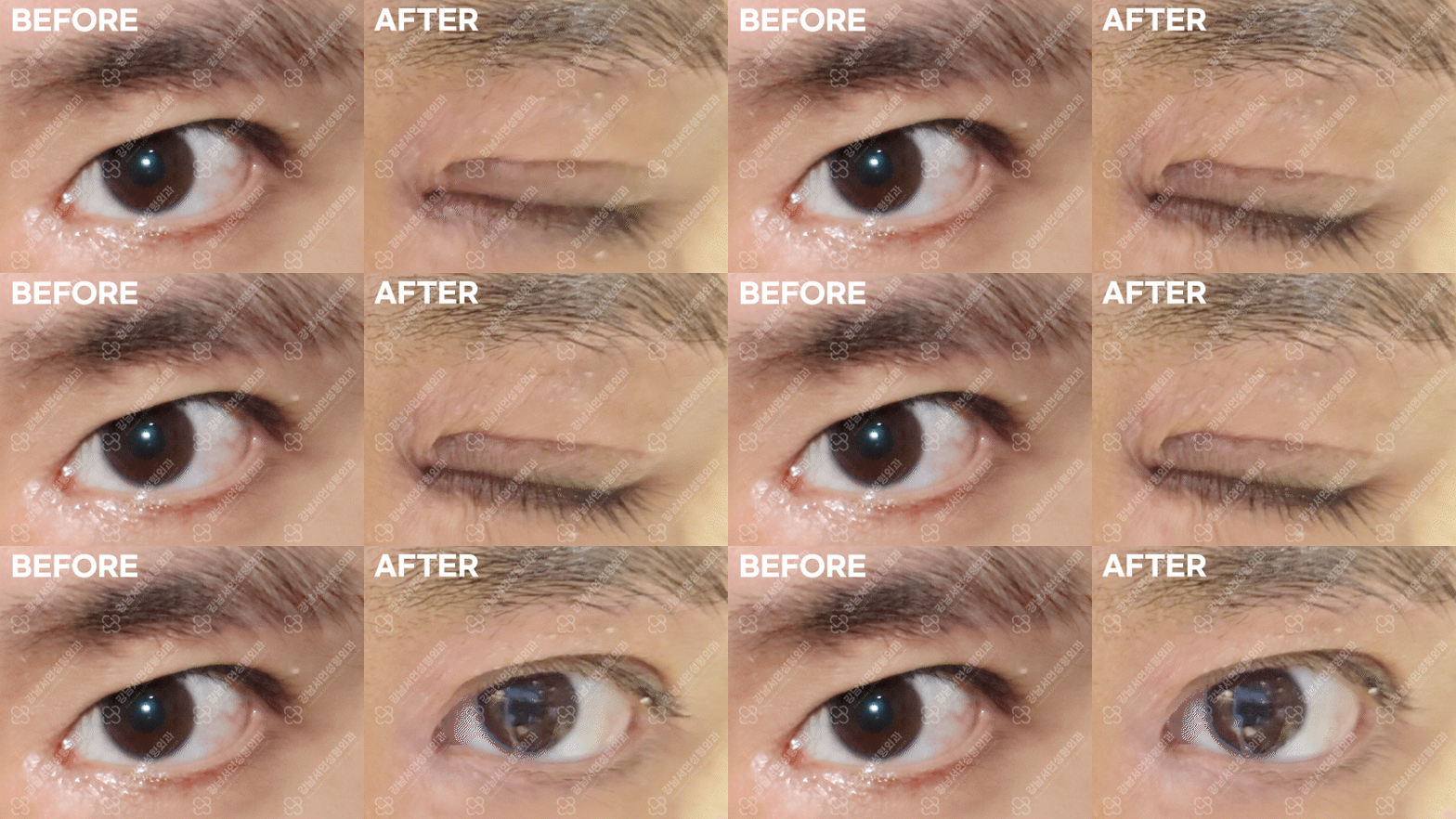
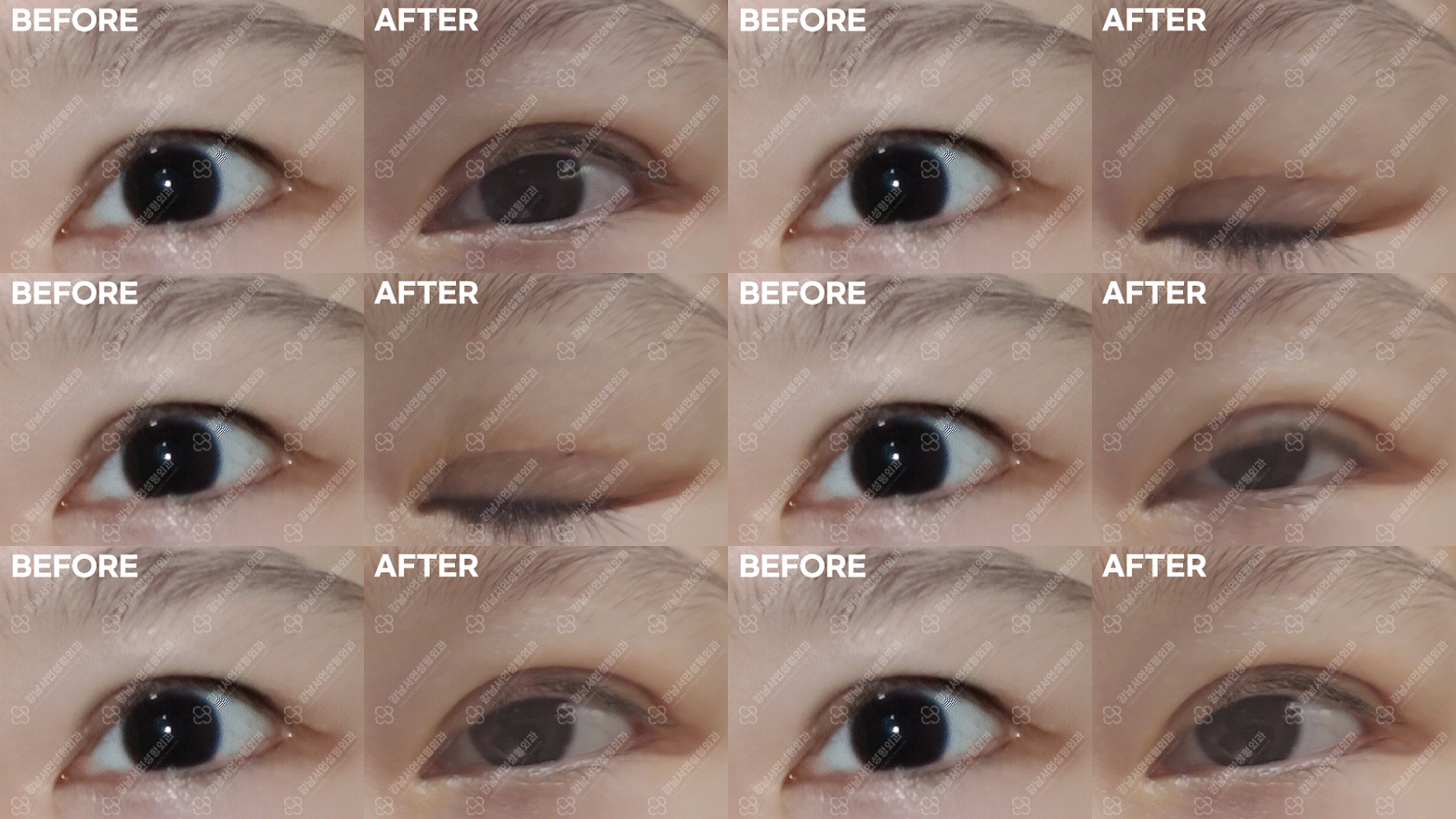
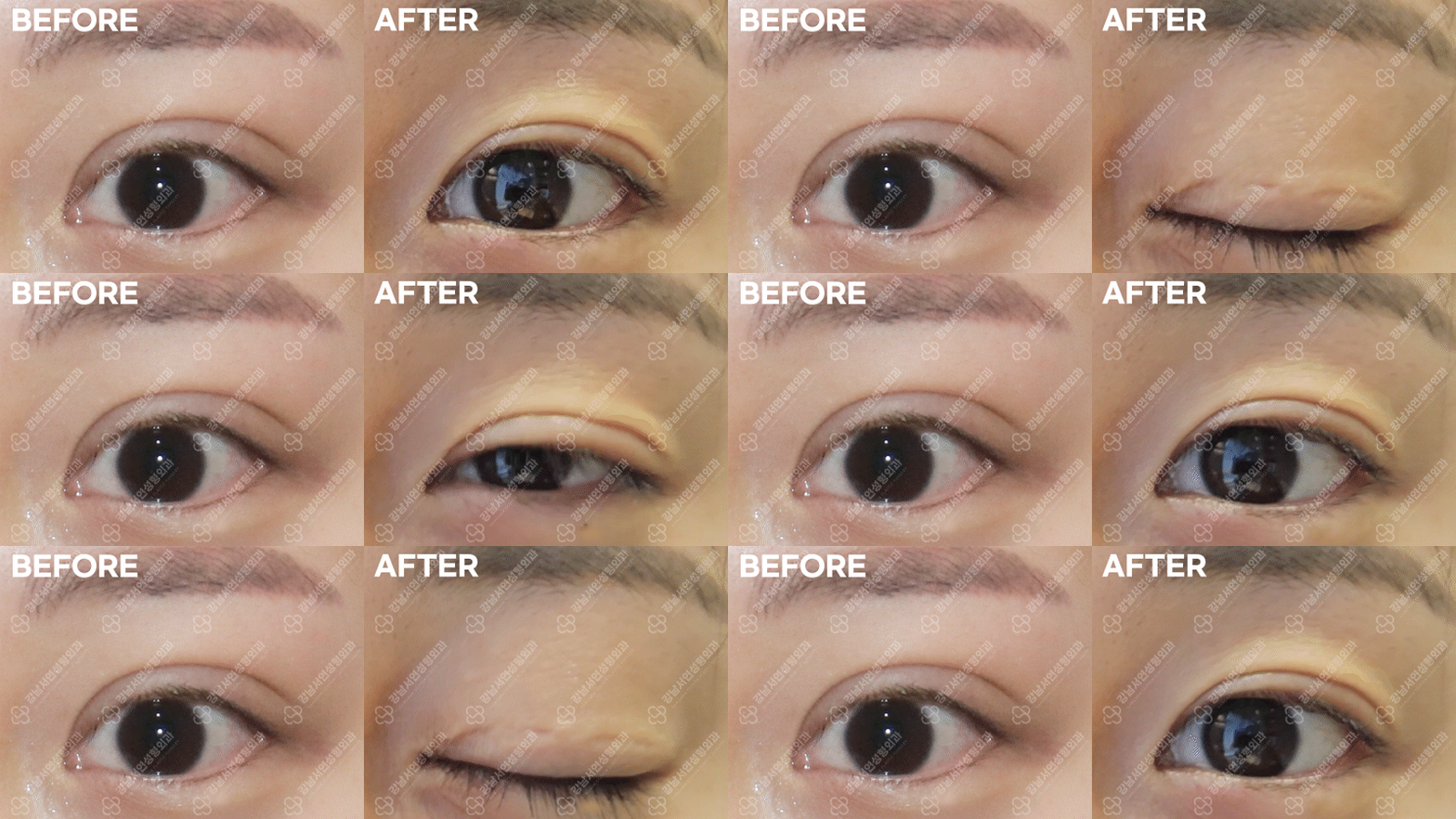
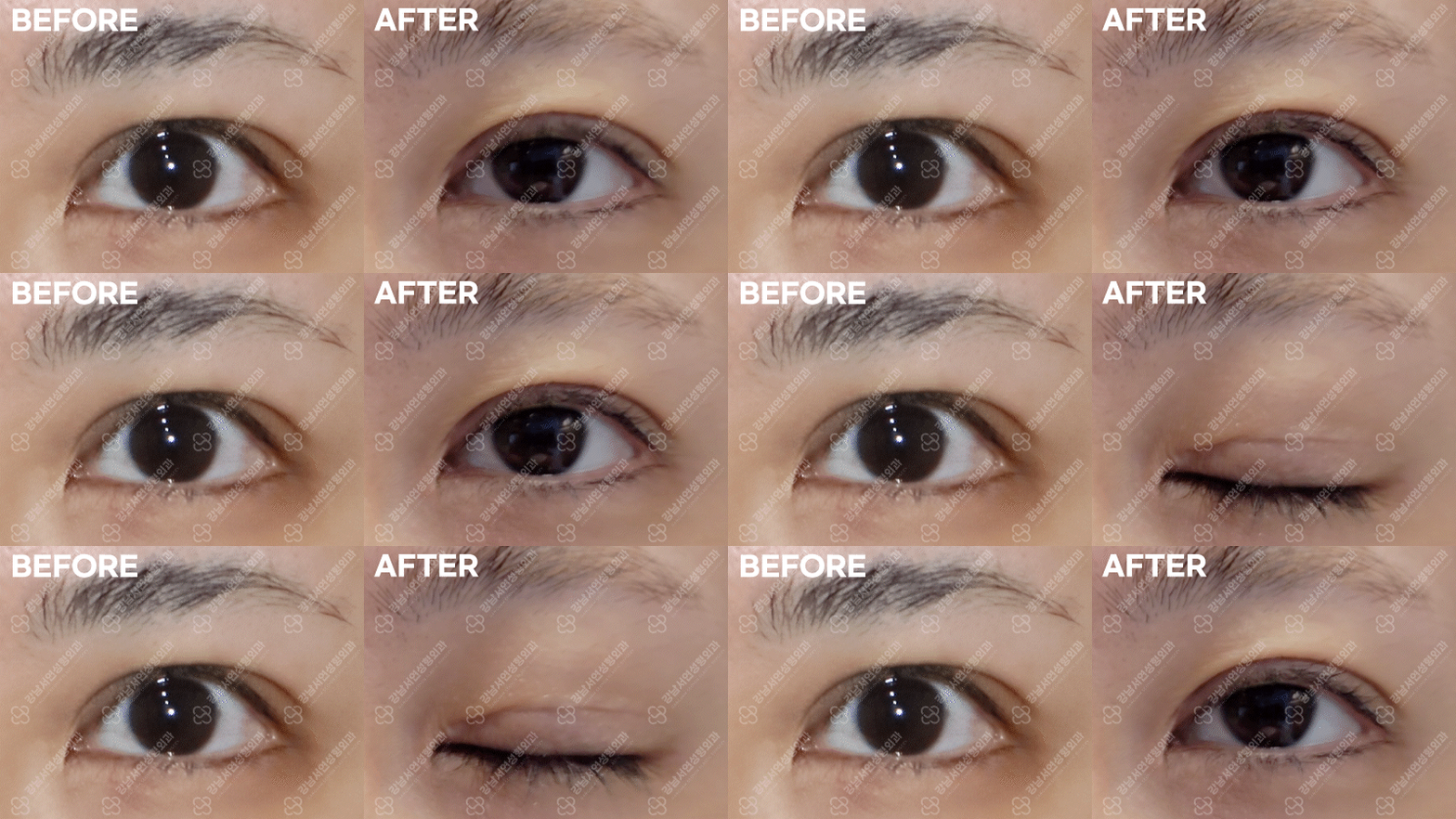
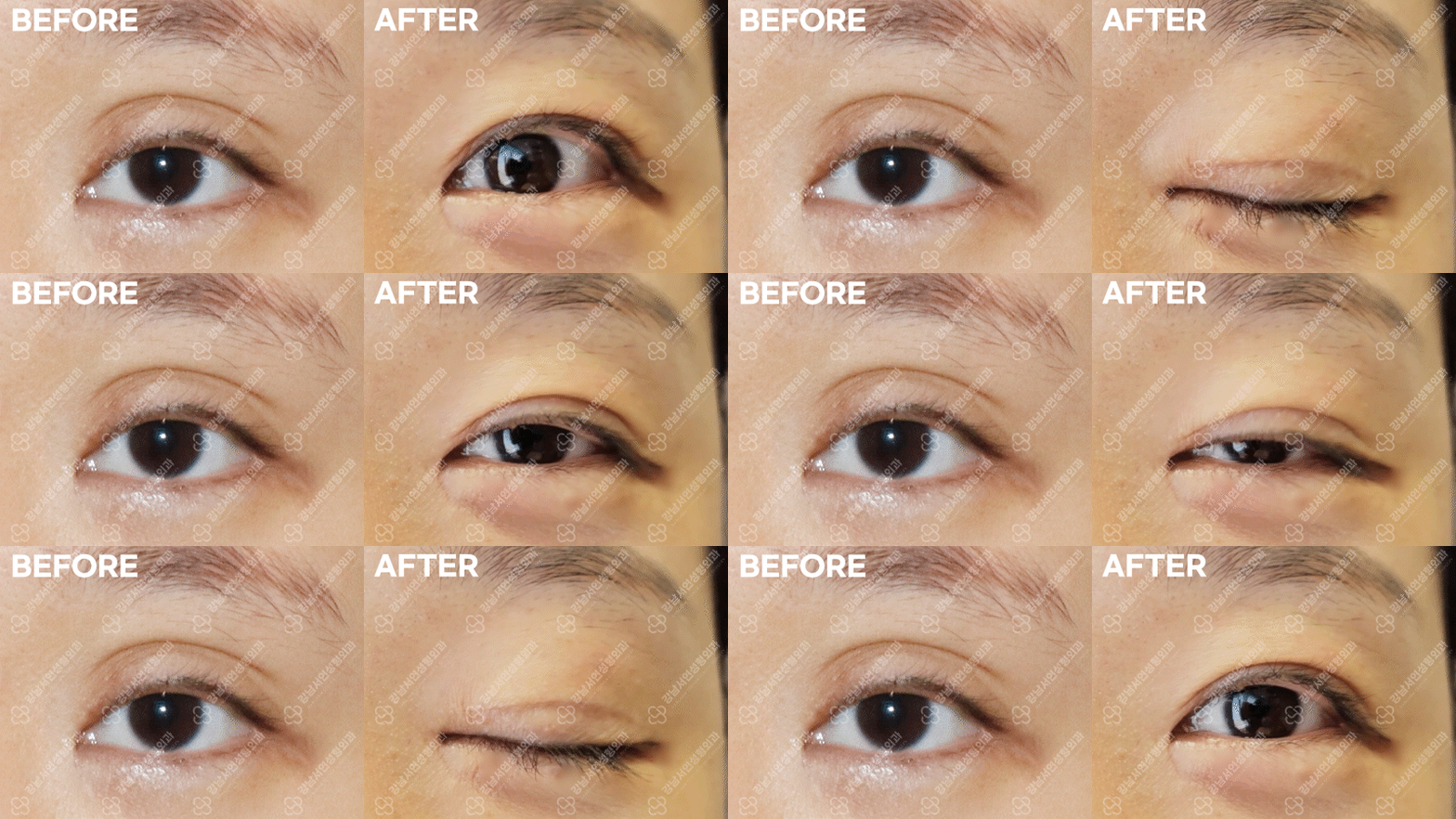
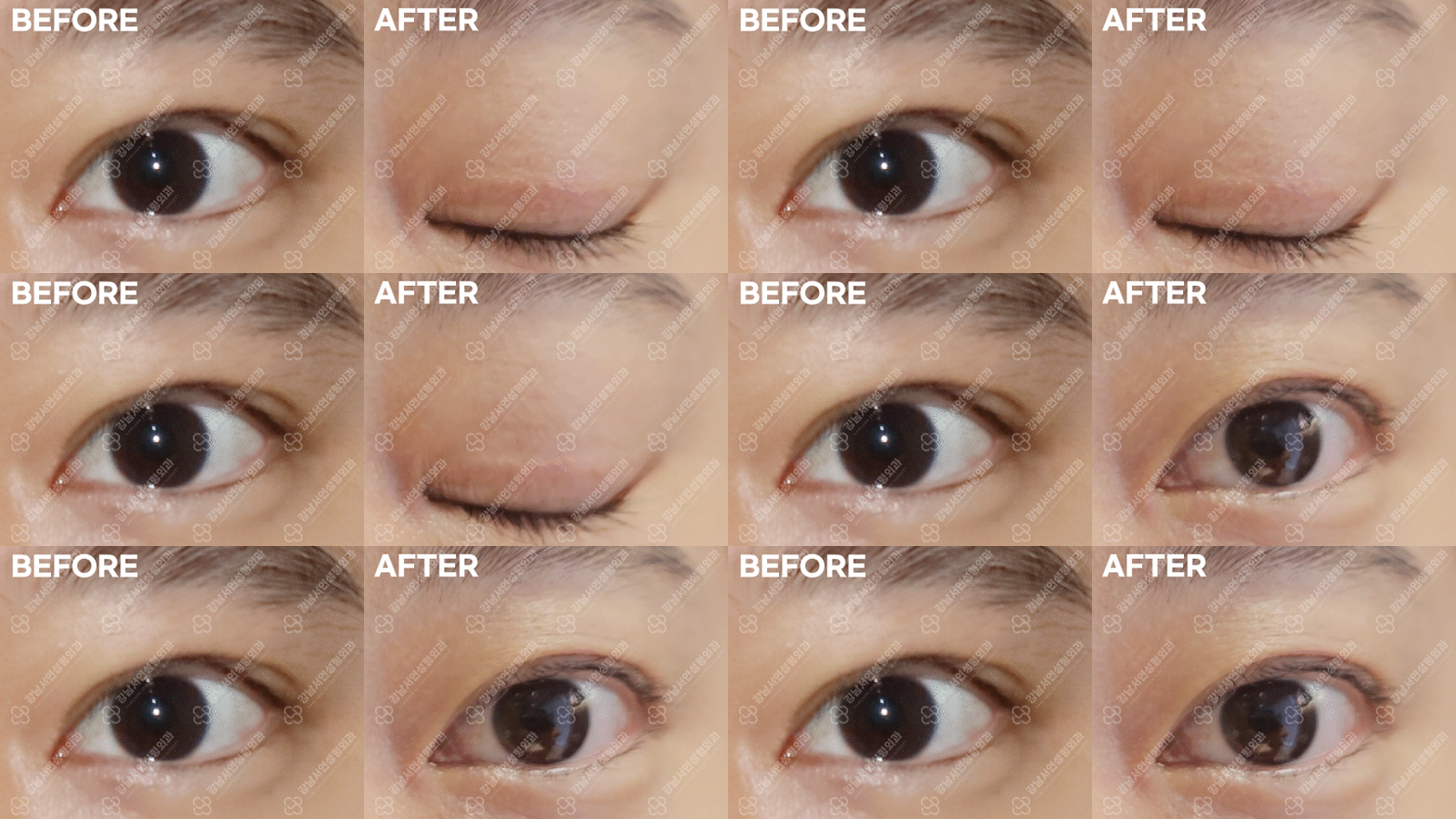
The majority of cases follow over-correction during a previous ptosis surgery.
Conditions such as hyperthyroidism (thyroid eye disease) can cause retraction. These cases also require a medical evaluation.
Most patients we see have had a previous ptosis correction performed too aggressively. Simply removing the suture is not sufficient to address this.
Clinical situations in which retraction repair is most effective.
An over-opened eyelid
producing a startled appearance
Discomfort following
over-corrected ptosis surgery
Conjunctival eversion
causing chronic irritation
Significant asymmetry
requiring unilateral repair
The approach differs depending on whether the retraction is recent or established.
Once retraction has been present for several months, suture removal alone is not sufficient.
Immediately after surgery, removing the ptosis-correction suture can bring the eyelid down. Once several months have passed, however, simply removing the suture and releasing the adhesion is not enough to resolve the retraction. The repair recesses the levator muscle while dissecting between the conjunctiva and Müller's muscle — the muscle attached to the conjunctiva that contributes to upper lid elevation.
The eyelid-lifting muscle is recessed by a precise amount to reduce over-opening.
Müller's muscle attached to the conjunctiva must also be carefully separated for a natural result without asymmetry.
Director Choi Dong-Il has presented retraction-repair techniques at multiple academic conferences.
Lecture material placeholder.
Some patients arrive having been told elsewhere that "the ptosis adhesion was released." This is not the same as retraction repair: suture removal alone does not correct eyelid retraction. The procedure should be performed by an experienced, board-certified plastic surgeon. Superficial imitations rarely produce a satisfactory result and frequently lead to asymmetry. In some cases an early revision becomes necessary, and close coordination with the original surgeon is essential.
Three principles that support the safe execution of this advanced technique.
A careful diagnosis by an experienced, board-certified plastic surgeon.
An individualized design that takes the eye shape, current condition, and overall facial balance into account.
Thorough planning and refined surgical technique to minimize tissue trauma.
All photographs shown are taken six months after surgery.
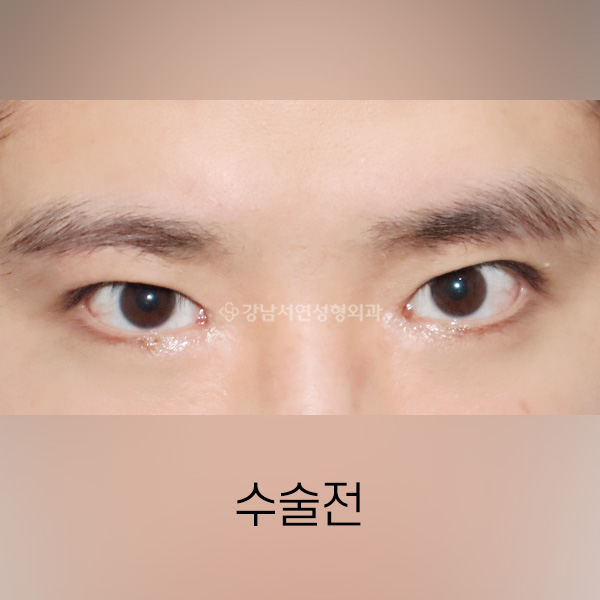
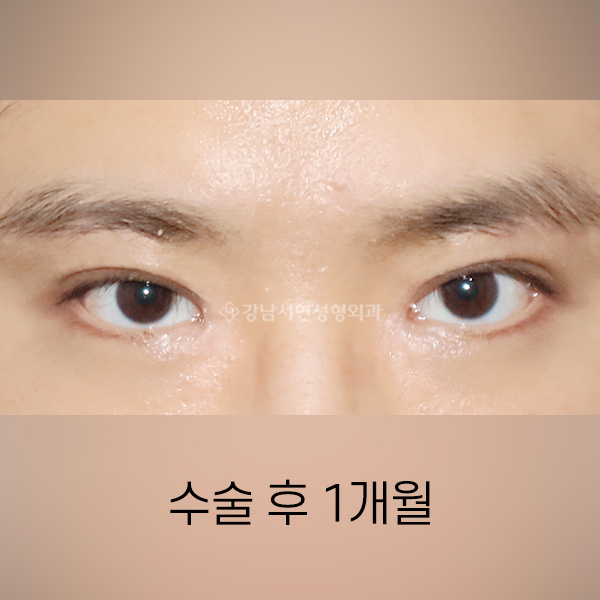
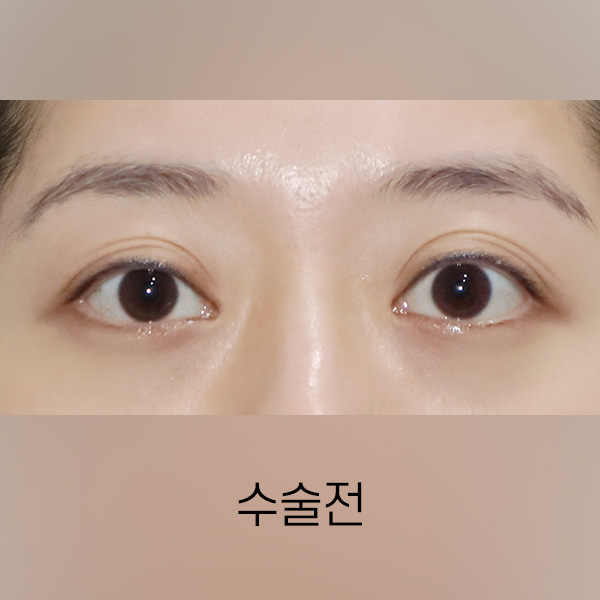
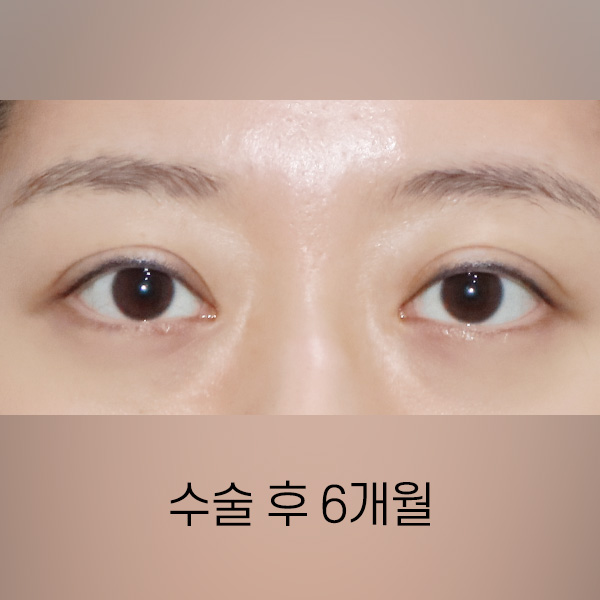
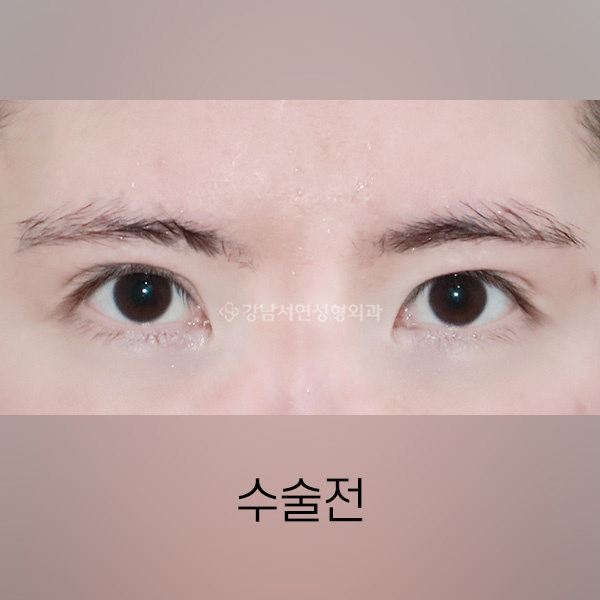
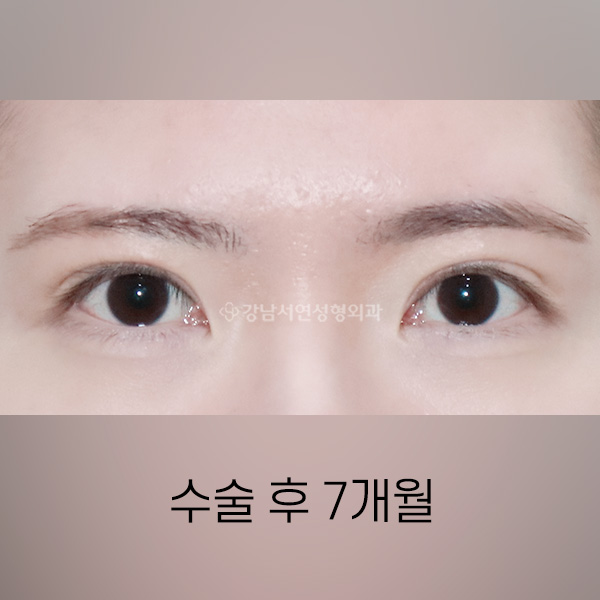
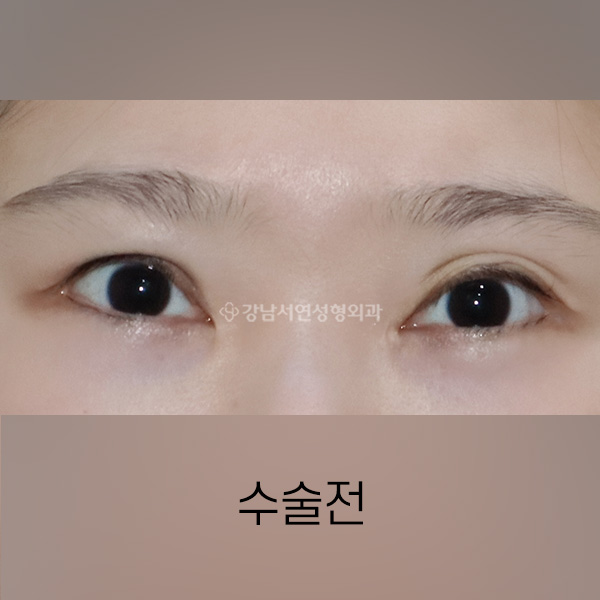
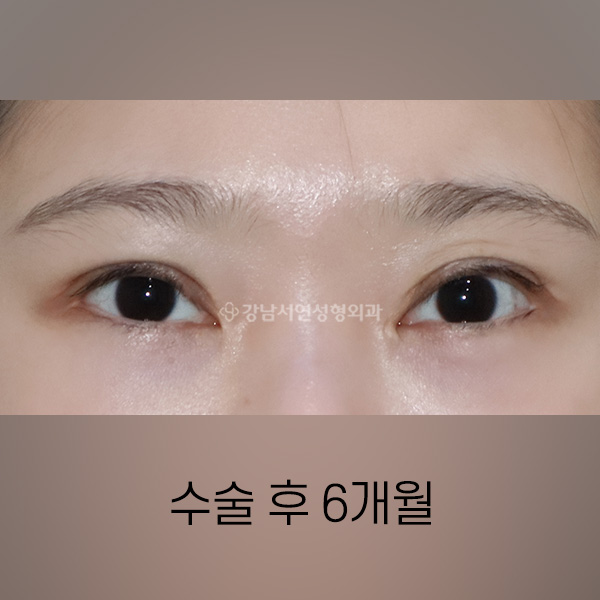
Key considerations before surgery, explained on video by Dr. Choi.
Every inquiry is reviewed personally by Director Choi Dong-Il.