A defined gaze, never overdone.
"In male patients, the work is less about creating a fold than about refining the overall expression — a confident, understated gaze rather than a more decorated eye."
— Director Choi Dong-Il
Not simply a larger eye — a more open expression that still reads as masculine and natural.
For most male patients, a heavy fold tends to look overdone. We typically design around this with single-eyelid ptosis correction or fold reduction (concealment), producing an eye that looks open and alert without an obvious crease.
Male eyelid surgery is among the more nuanced procedures we perform, and the consultation matters. Method and design are decided after careful evaluation, and the surgeon's experience is what holds the final result together.
※ Surgical and recovery details may vary depending on the patient's individual condition.
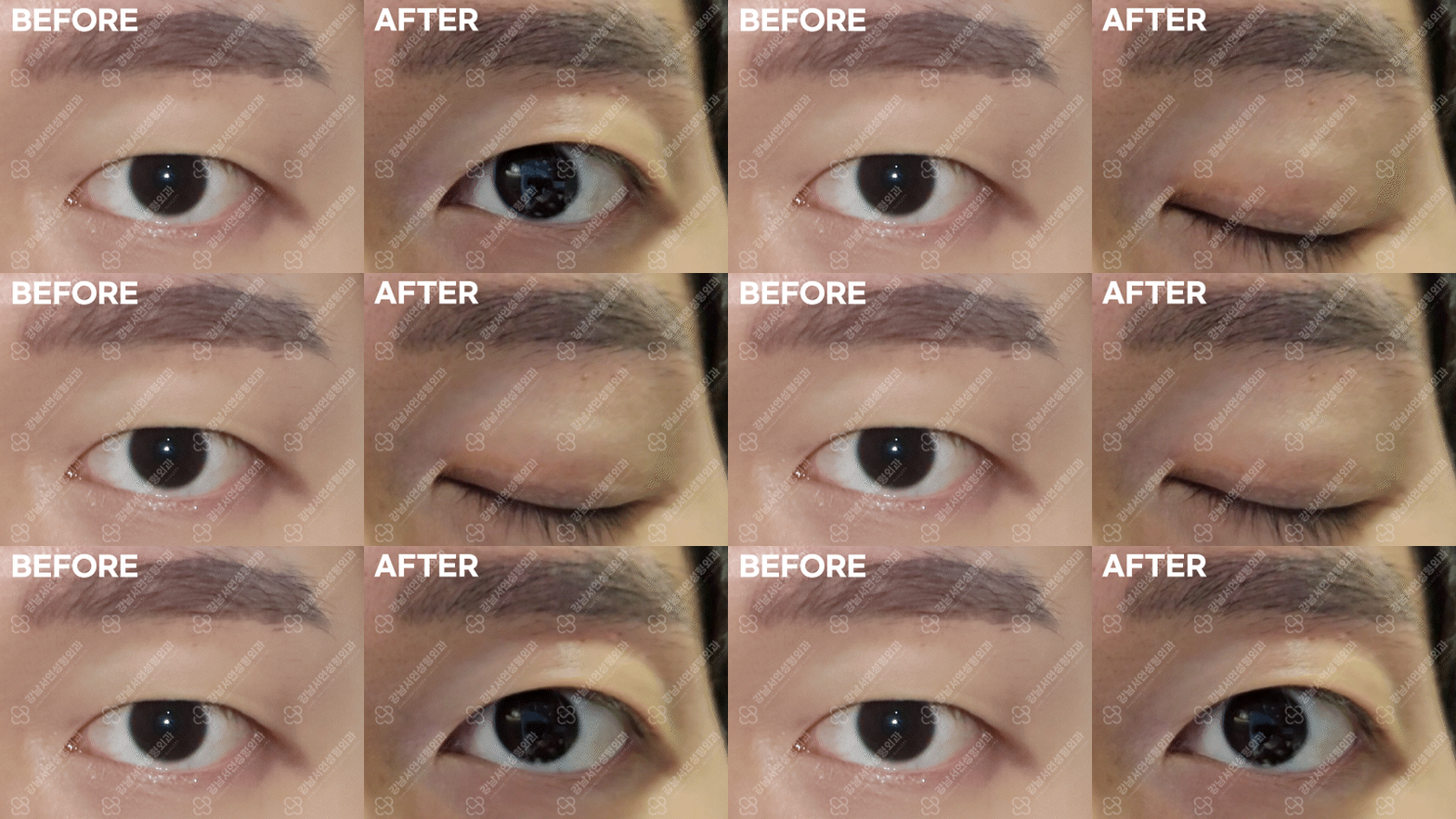
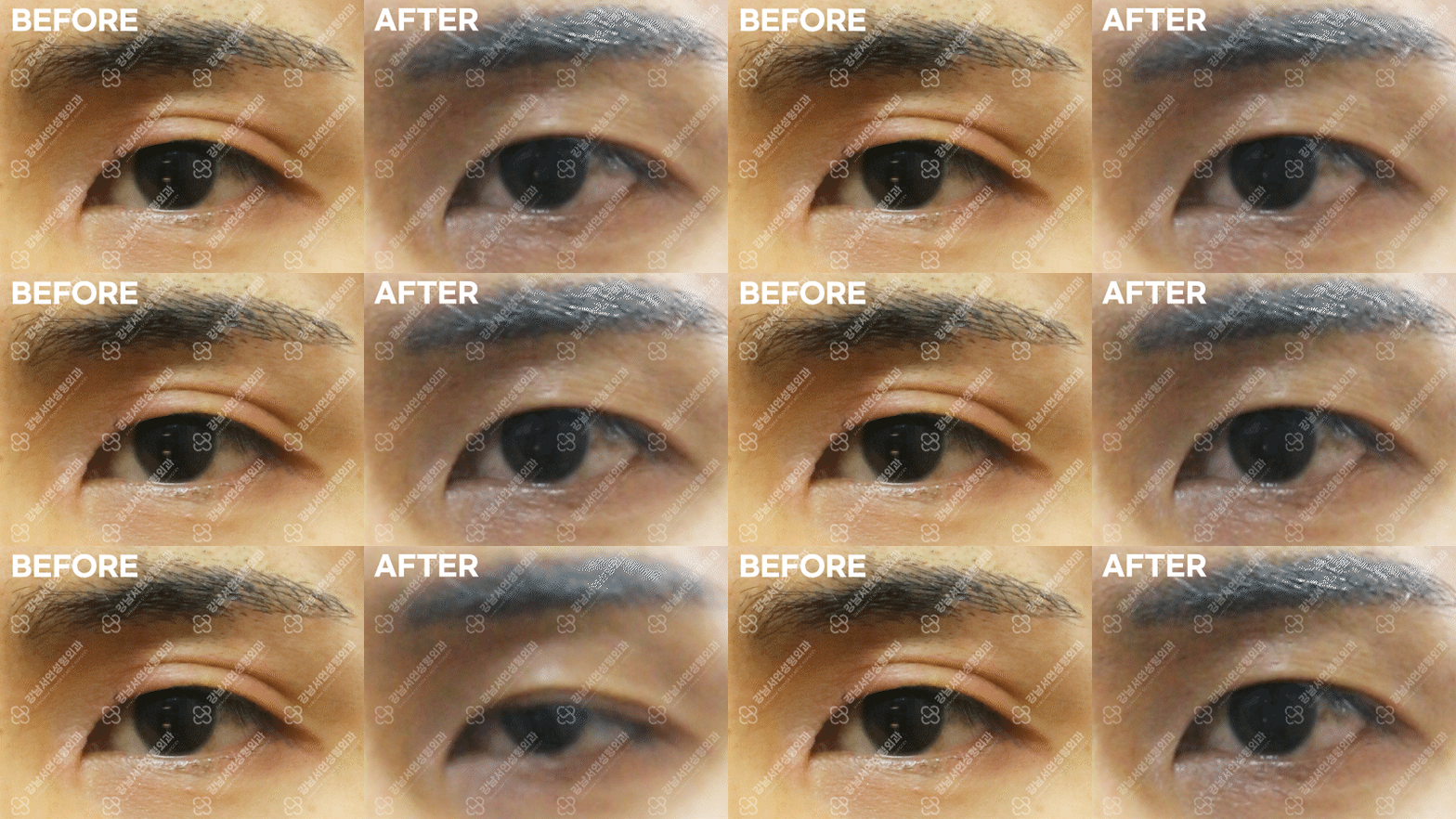
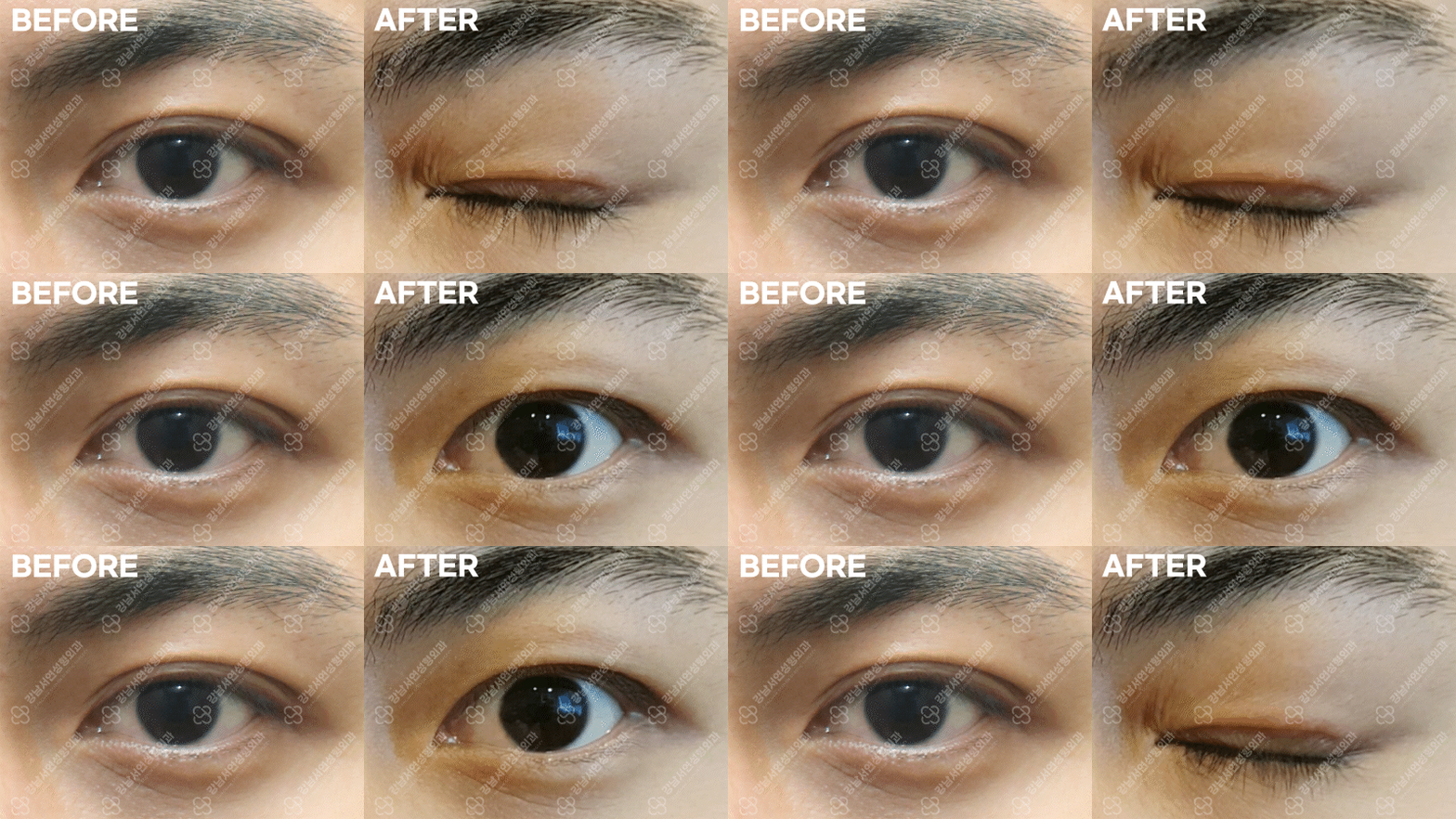
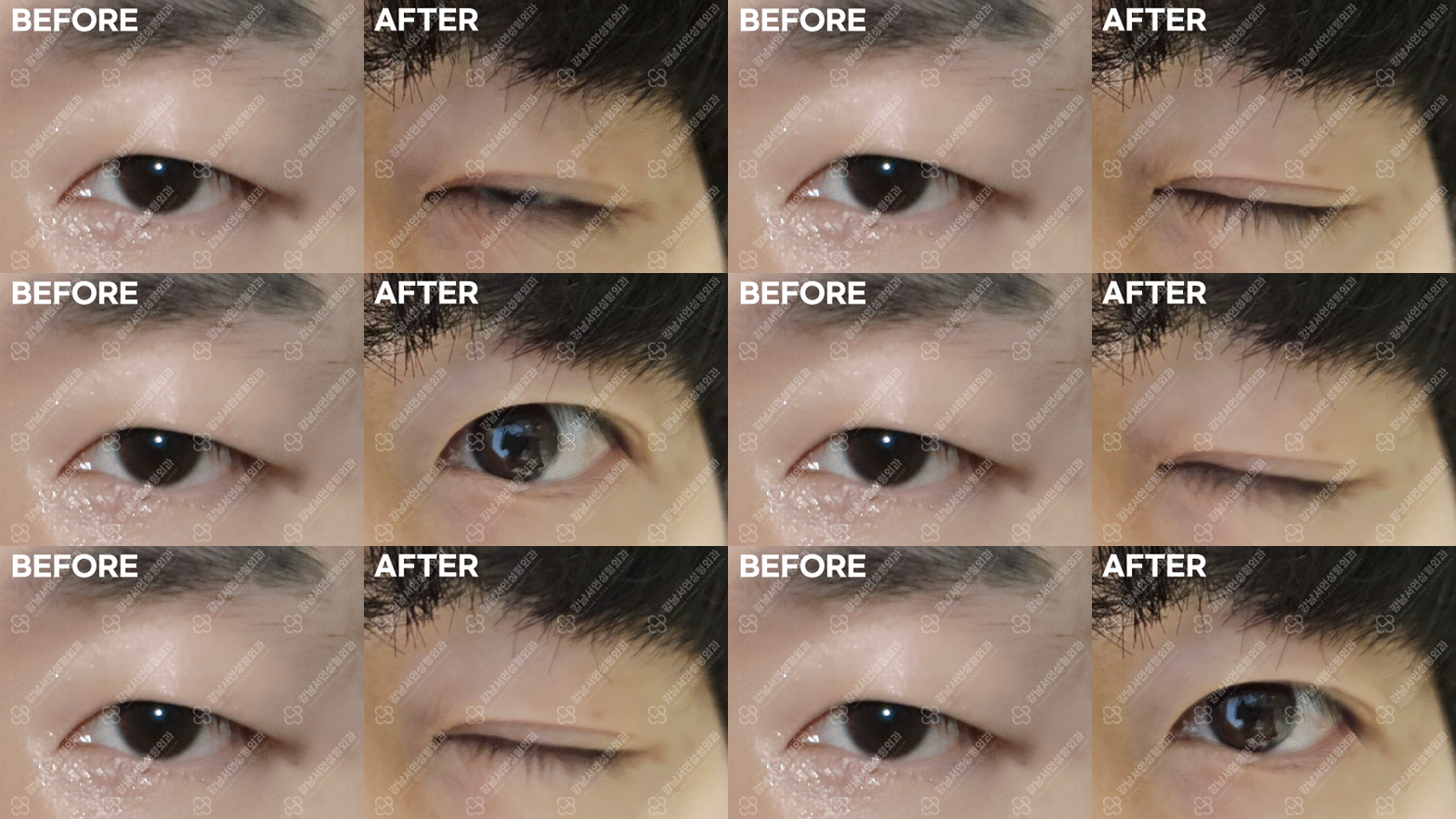
From surgery time to return to daily life — at a glance.
Five clinical situations where Gangnam Seoyon's male eyelid surgery is the appropriate choice.
Patients who want
a clean, confident male gaze
Eyes that read
sleepy or heavy-lidded
An expression that comes across
as fierce or harsh
Patients who recruit the brow
or forehead to open the eyes
Patients seeking a softer,
more approachable expression
Male eyelid surgery has to open and brighten the gaze, relieve the heavy or sleepy look, and preserve a masculine impression all at once — and that calls for careful evaluation and a method matched to the individual eye. In 2018, our director published the world's first SCI-indexed paper on single-eyelid ptosis correction in men in Aesthetic Plastic Surgery, the official journal of ISAPS, demonstrating both the safety and the technical depth of the approach.
Director-led from consultation onward, with a long catalog of male cases across every eyelid type.
Skin thickness, levator strength, and any existing fold are evaluated together to decide between single-eyelid, hidden-fold, or fold-concealment approaches.
The same procedure, designed in opposite directions for men and women.
For female patients, the fold is generally designed so that the line is clearly visible above the lash line.
For male patients, even when a fold is present, it tends to look more natural when it is largely concealed beneath the upper-lid skin. Skin-resection methods that force a visible fold often raise the risk of complications and are generally avoided.
Most male patients have thicker eyelid skin, so an incisional approach is used in the majority of cases. Roughly 10–20% of patients are suitable for the non-incisional method.
Approximately 10–20% of cases — used selectively when indications are met
A transconjunctival approach is used to shorten the levator (the muscle that lifts the upper lid), creating a more open, alert eye while keeping the surface of the lid undisturbed.
Suitable for the majority of cases — orbicularis preserved, set with dynamic fixation
Muscle tension is calibrated precisely to produce an open, alert eye that still reads as natural. The plan is built around the patient's overall facial proportions so the result sits comfortably with the rest of the face.
A combined case showing early recovery: swelling subsiding and the new lid contour beginning to settle.
How the same incision line reads at six months, captured without retouching.
For folds that sit too high or have lost their natural look
Used when a natural double-eyelid fold sits too high, or when a previous surgery has left a fold the patient is no longer happy with. The result keeps the eye looking open and alert while shifting the impression toward something quieter and more approachable.
A natural fold that sits too high
A surgical fold that no longer reads as natural
An overall expression that comes across as overdone or heavy
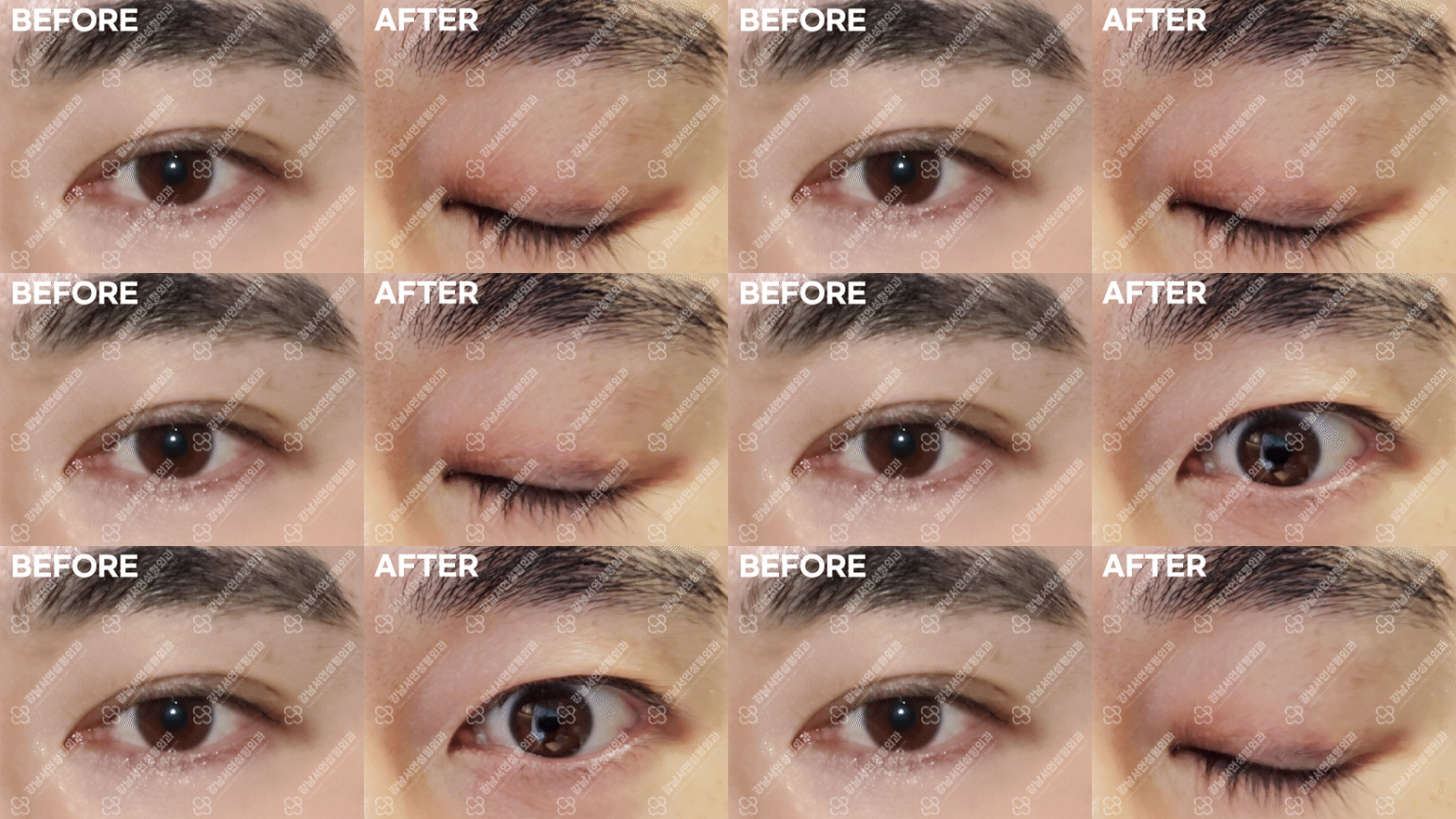
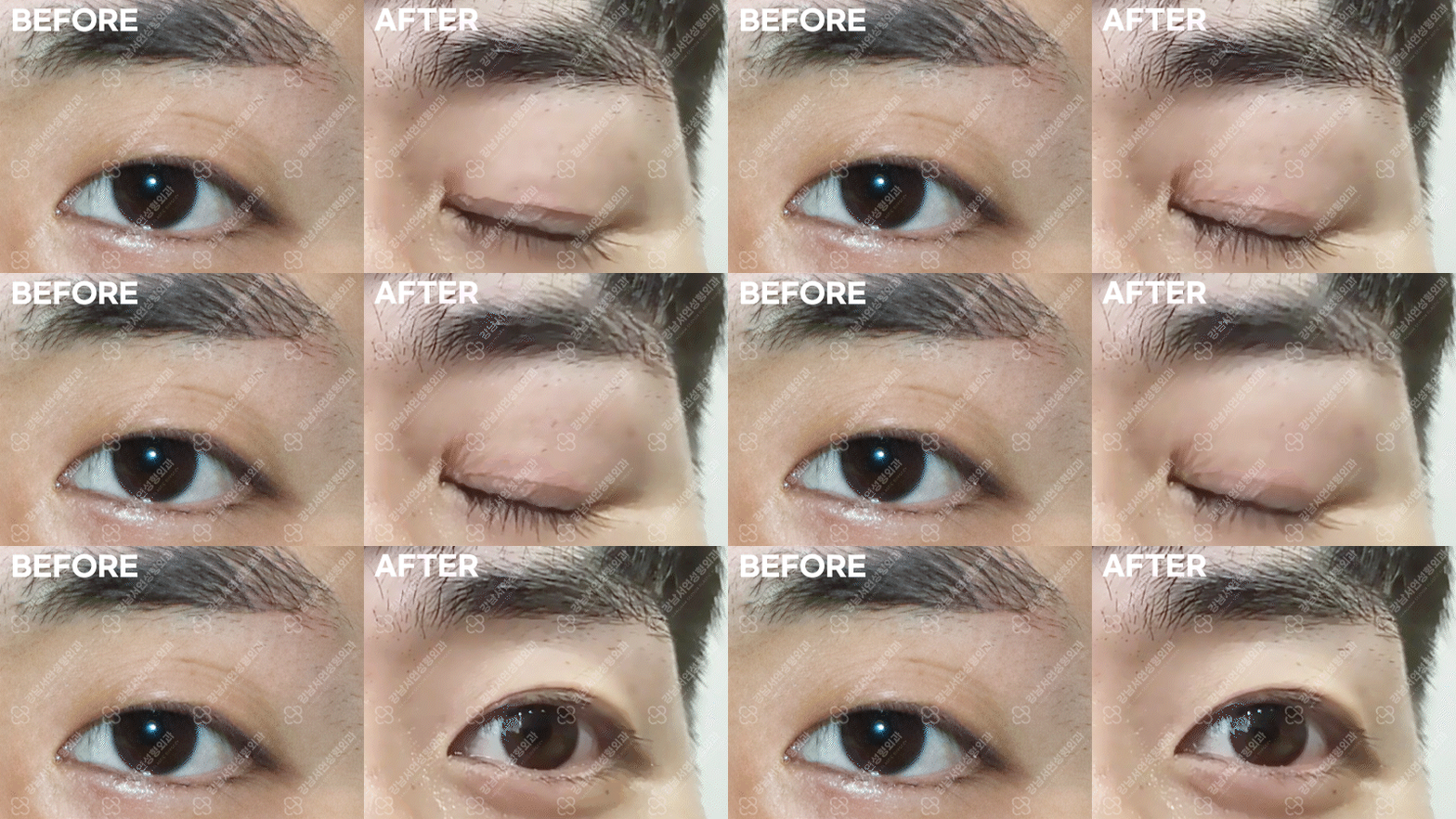
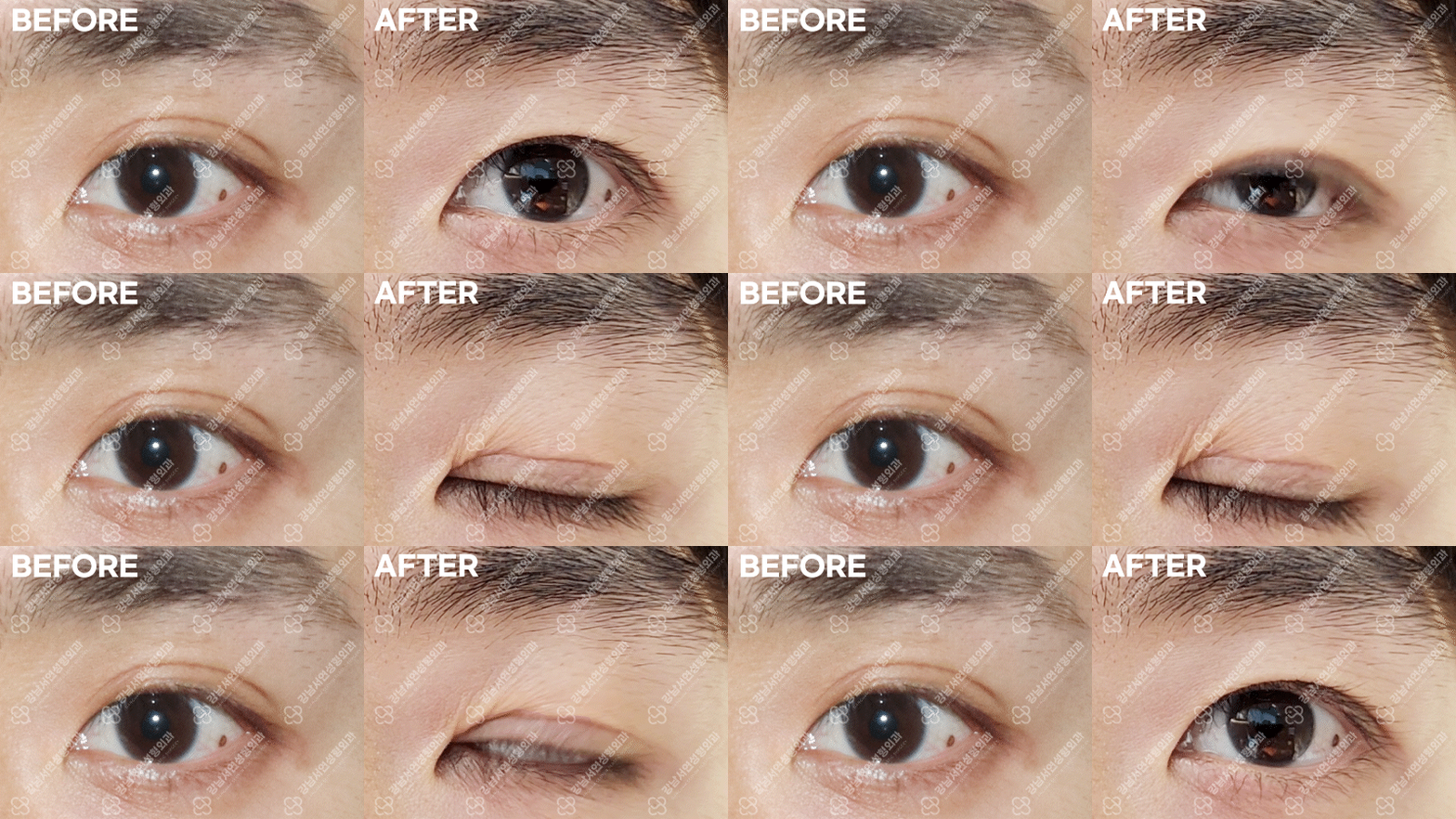
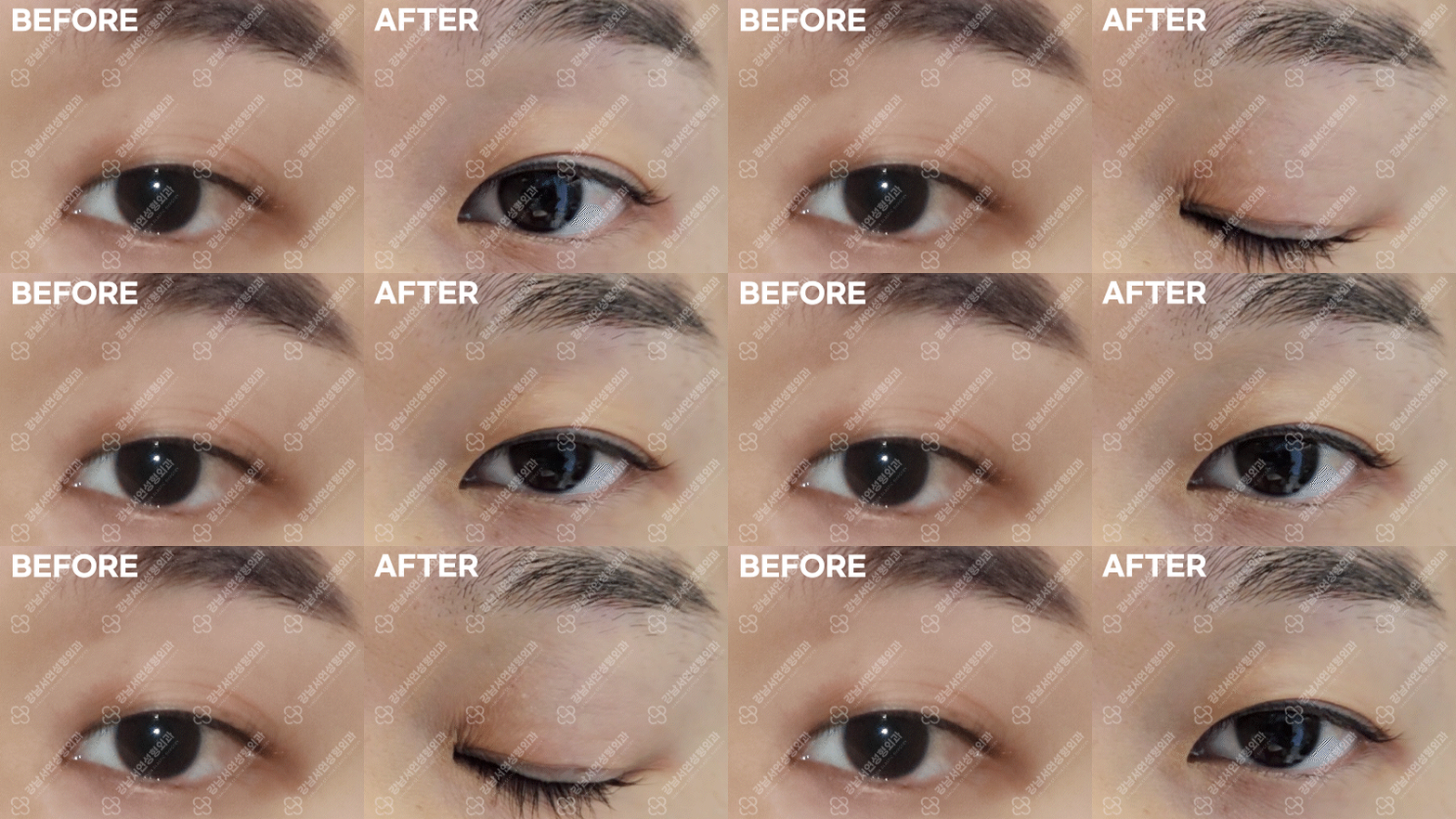
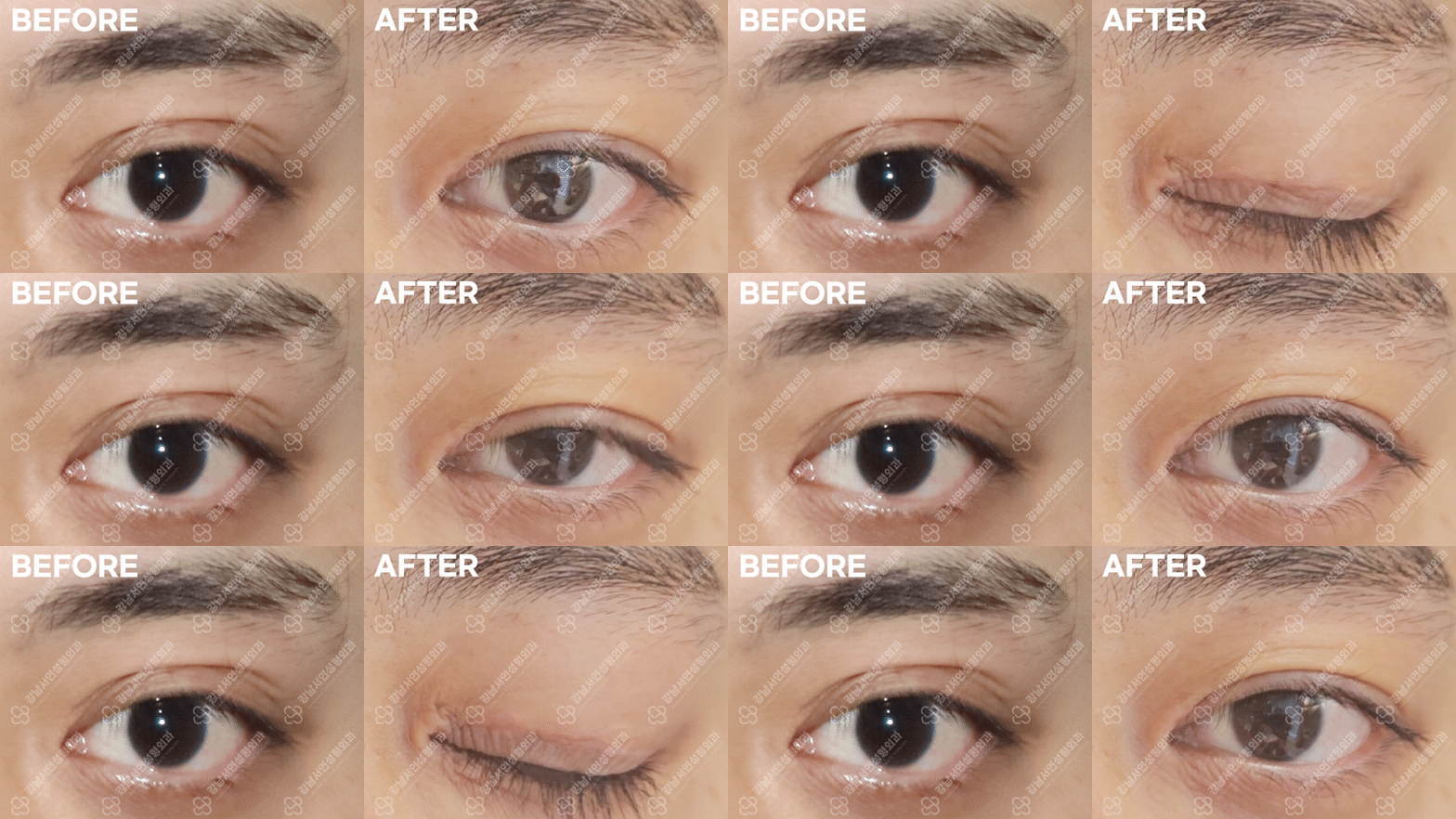
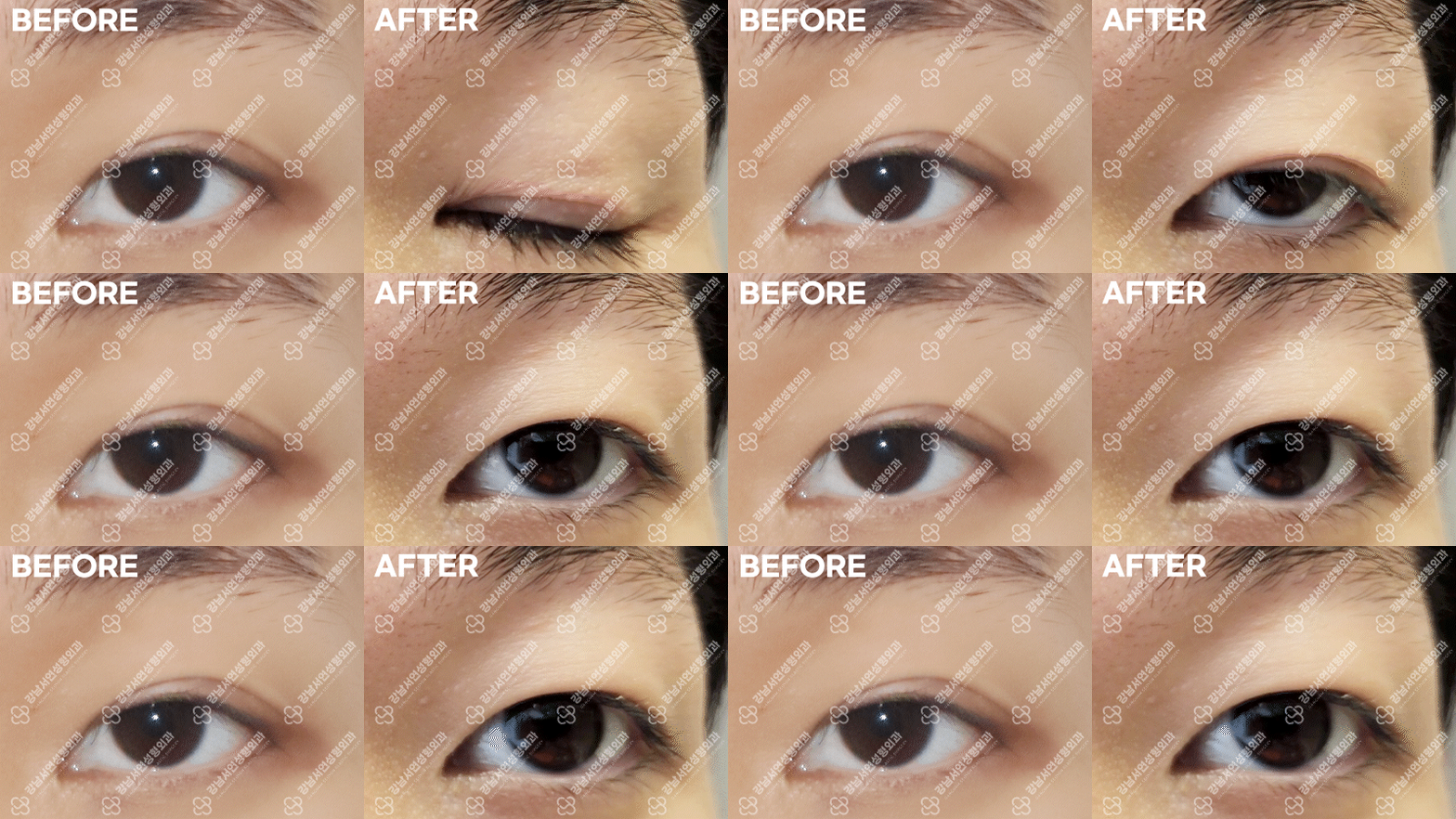
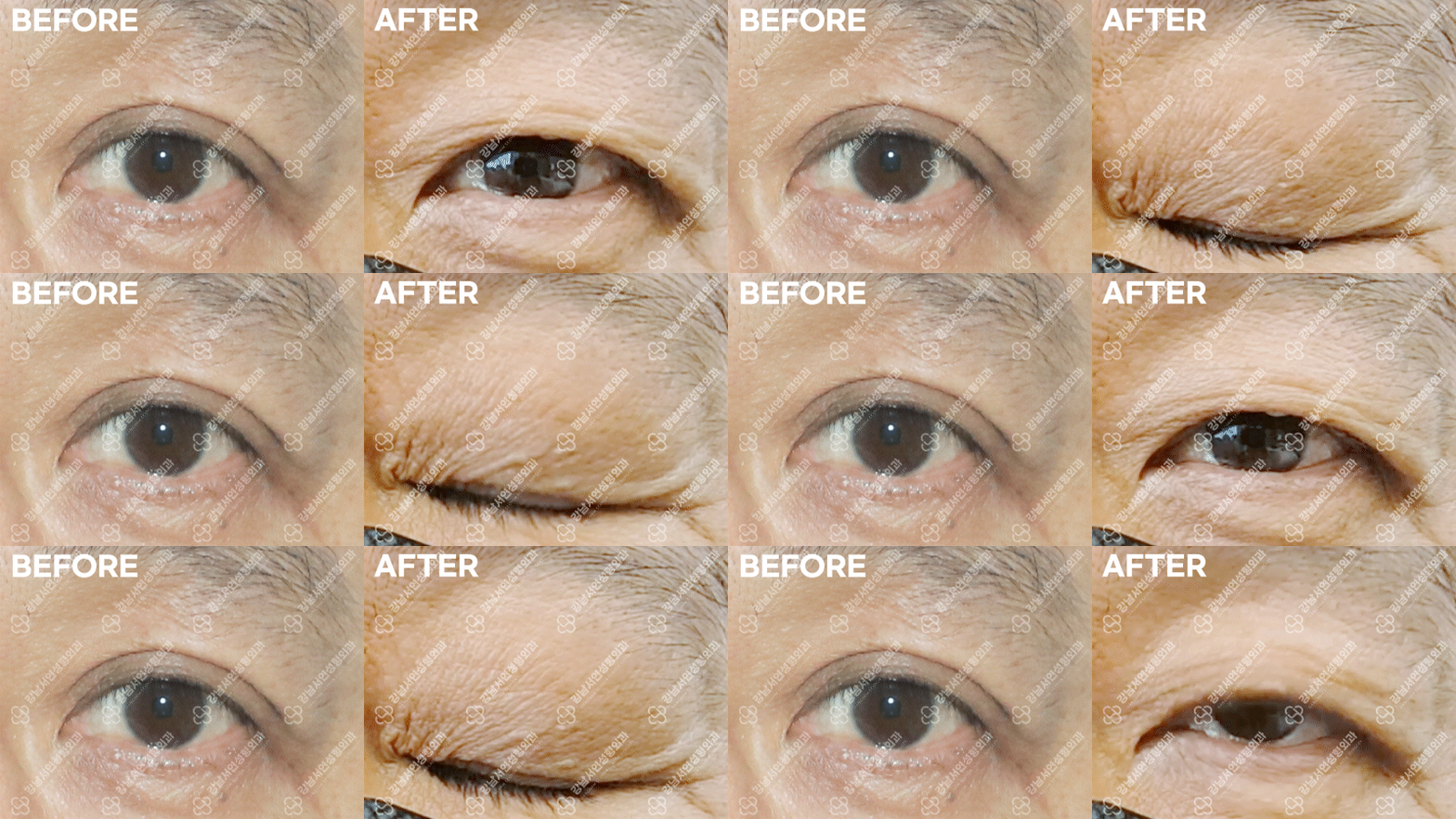
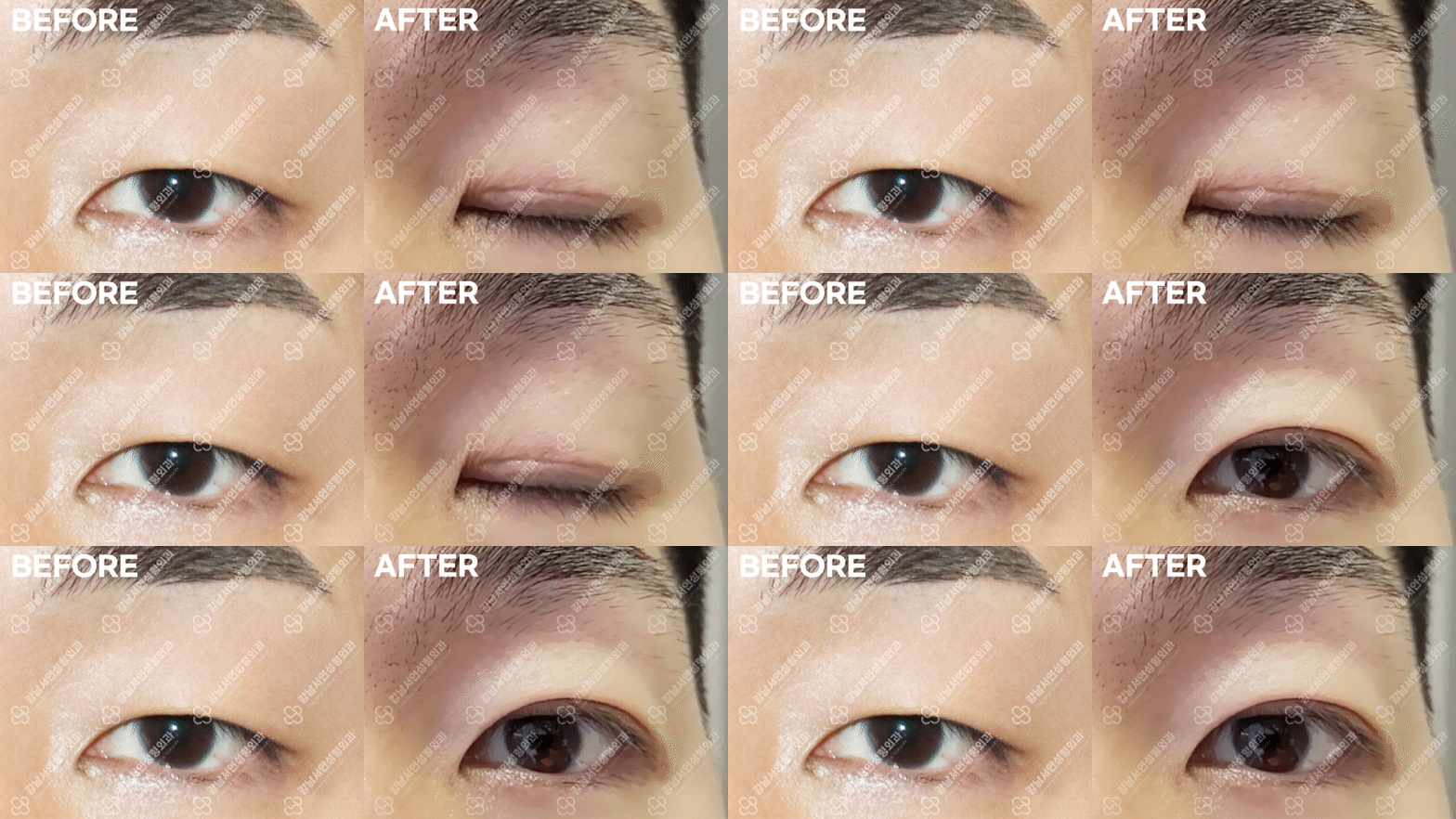
Four outcomes patients can expect from male eyelid surgery at Gangnam Seoyon.
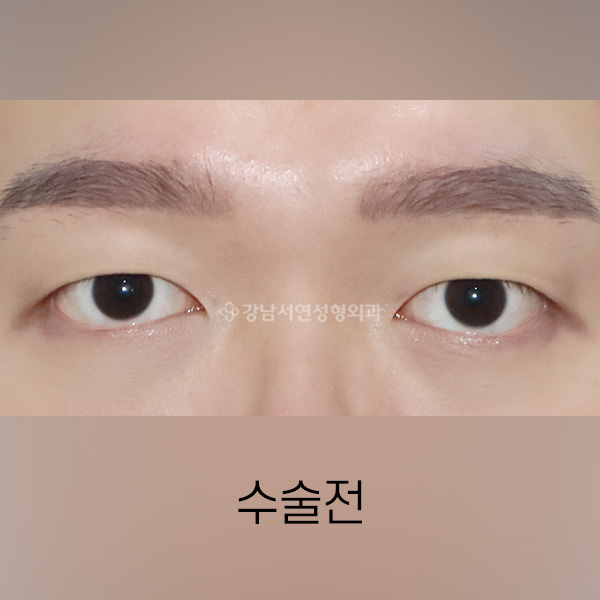
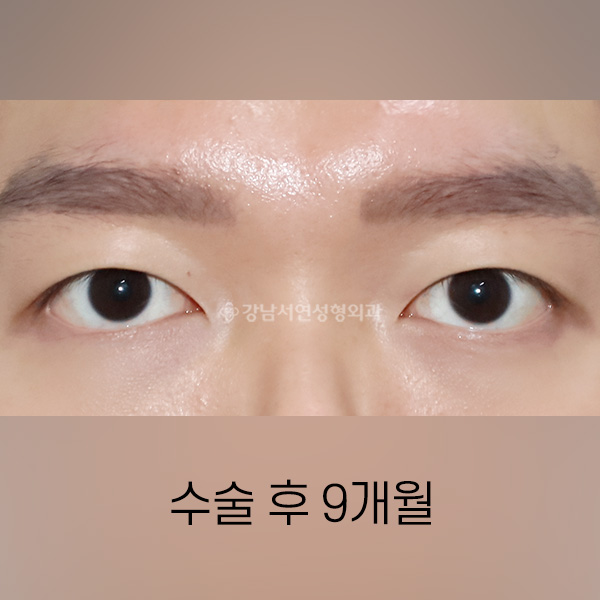
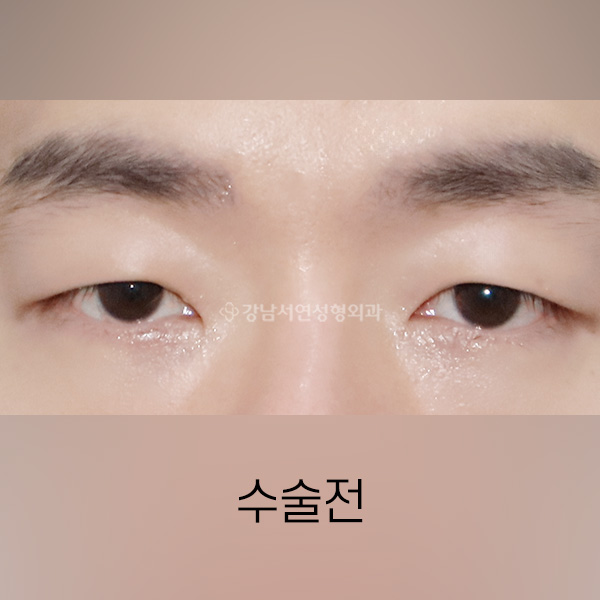
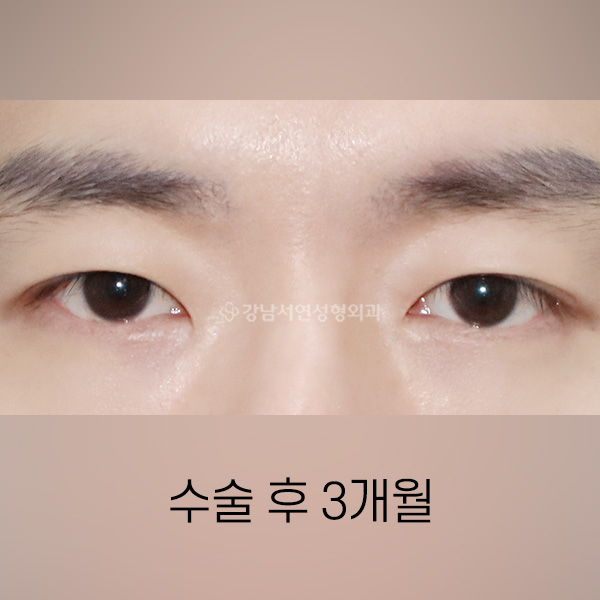
All photographs shown are taken six months after surgery. Additional cases are available in the Before & After section of the menu.
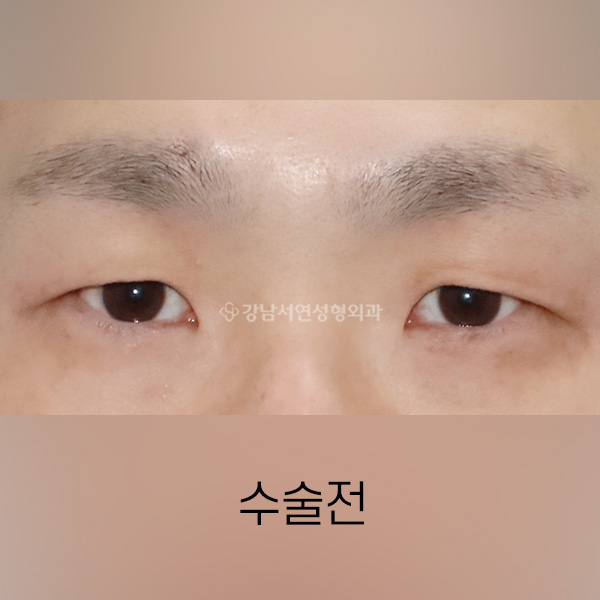
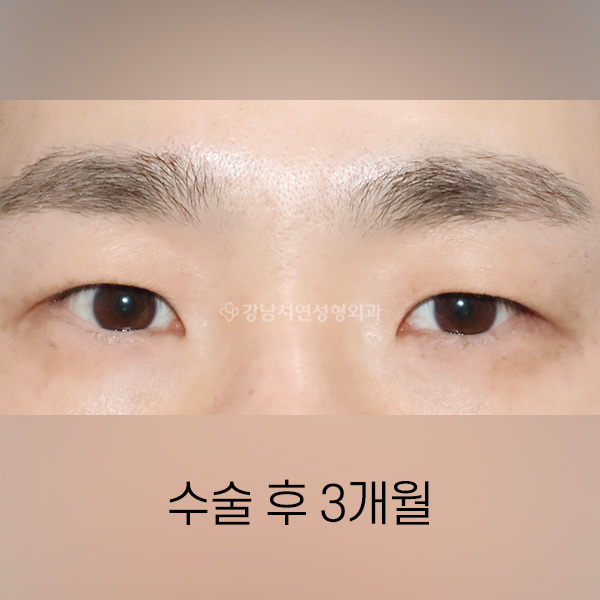
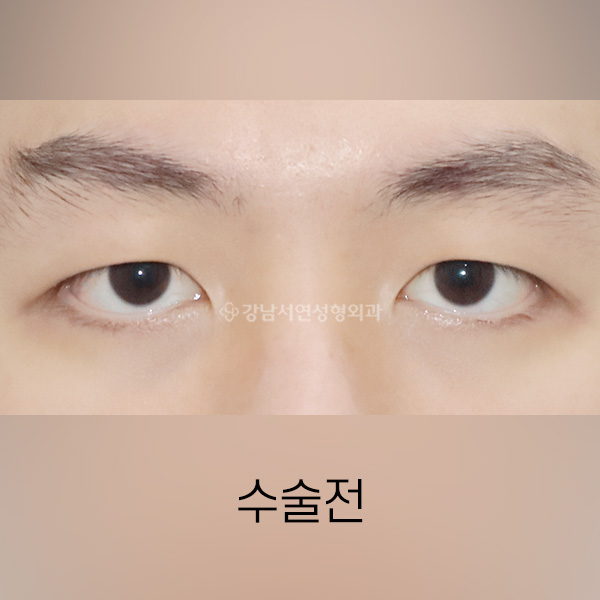
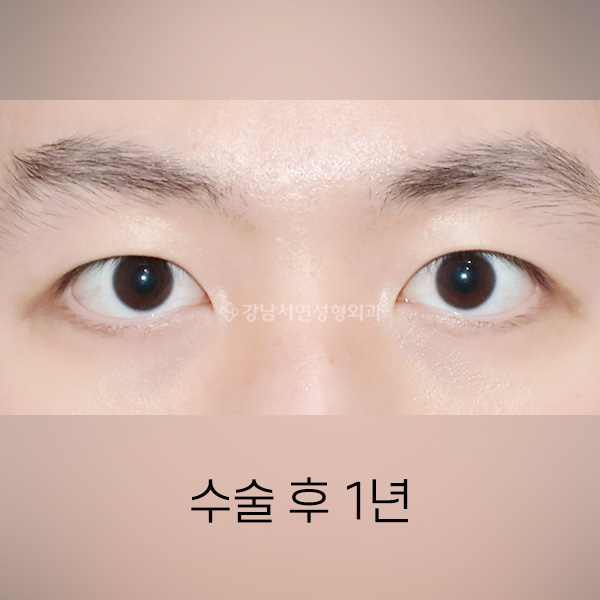
Long-form videos walking through the key points of male eyelid surgery, presented by Dr. Choi.
Every inquiry is reviewed personally by Director Choi Dong-Il.