Quick ConsultHoursDirectionsAll Menus
EYELID SURGERY

Epicanthoplasty

An open, well-shaped eye.

"

Opening up an eye
that still looks closed.

"Epicanthoplasty is as much about the shape and proportions of the eye as it is about the size. Done well, it produces a clearer eye line and a softer overall expression."

— Director Choi Dong-Il

ABOUT

What Is Epicanthoplasty?

Both the shape and the size of the eye, addressed in a single procedure.

Extending the Horizontal Length, Precisely

When the eye still looks narrow despite a natural or surgically created fold, extending its horizontal length opens up the appearance and produces a clearer, more defined eye line.

The same procedure refines both the size and the shape of the eye, so the result can be tailored to what each patient is looking for.

※ Surgical and recovery details may vary depending on the patient's individual condition.

VISUAL · GIF
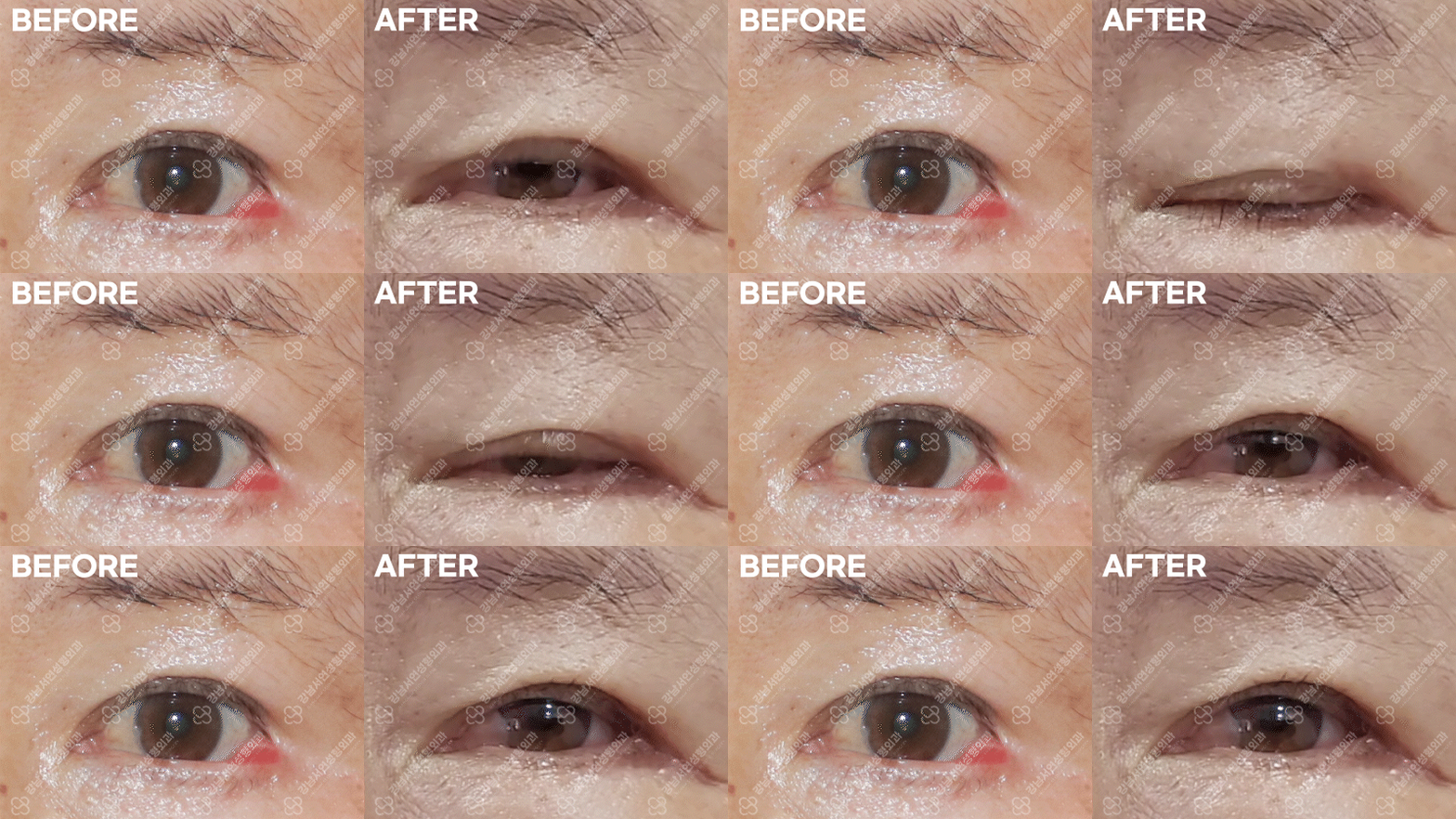
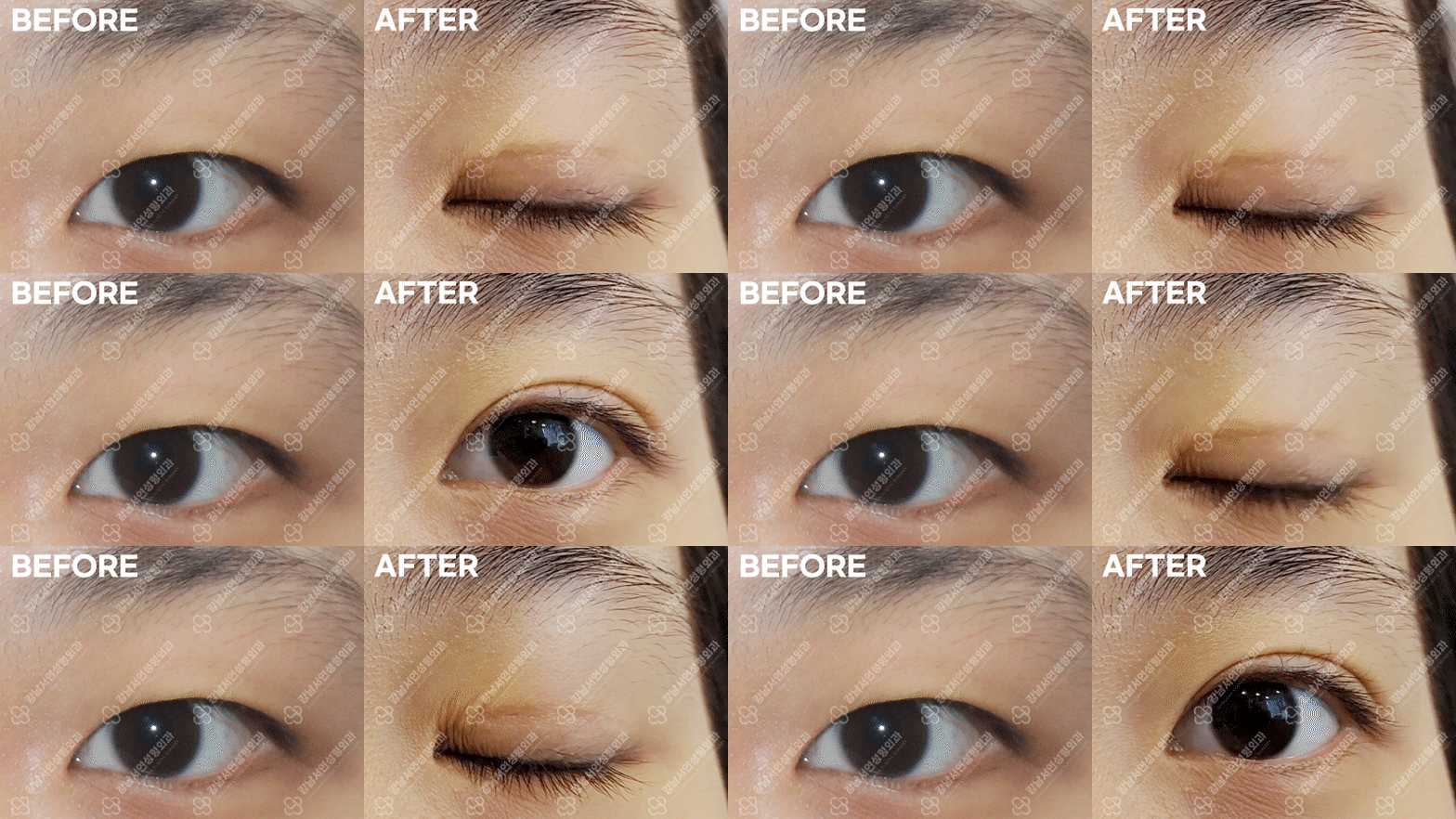
Epicanthoplasty before / after — animated
PROCEDURE INFO

Procedure at a Glance

From surgery time to return to daily activity, all in one view.
Surgery Time
30–60 min
Anesthesia
Sedation / Local
Visits
1–2
Stitch Removal
After 4–5 days
Hospitalization
Same-day discharge
Daily Activity
After 5–7 days
Lateral canthoplasty reconstruction

Lateral Canthoplasty Reconstruction

CANDIDATES

Suitable Candidates

Five clinical situations in which epicanthoplasty is the appropriate choice.

01

A defined fold,
but the eye still looks narrow

02

Short horizontal length
making the eye look small

03

Outer corners that
droop or tilt upward

04

Prominent
epicanthal folds

05

Patients seeking a
larger, more open eye

CAUTION

Epicanthoplasty opens up the eye
only when the eye genuinely needs it.

Epicanthoplasty has become a popular procedure, but performed without regard to the patient's actual anatomy, it can worsen scleral show or leave the expression looking sharper than intended. A thorough consultation with an experienced plastic surgeon is essential before deciding whether to proceed.

Experience That Decides Suitability

Director Choi Dong-Il, a board-certified plastic surgeon, personally evaluates indication, performs the surgery, and oversees follow-up.

Detailed Anatomical Assessment

We assess the strength of the epicanthal fold, the proportions of the eye, and how much of the caruncle (the pink tissue at the inner corner) is currently exposed.

METHOD

Surgical Methods

Each technique is individualized in design and execution to produce a natural-looking result.

METHOD A

Medial Epicanthoplasty

Skin redraping technique — a scar that becomes nearly invisible over time.

We assess the shape of the fold and the proportions of the eye, along with how much of the caruncle (the pink tissue at the inner corner) is currently visible. Based on that assessment, the design is individualized and the procedure is carried out using the skin redraping technique. We generally aim for 70–80% caruncle exposure as the most balanced result (presented at academic conferences in 2016 and 2020). The scar tends to fade until it is nearly invisible over time.

STEP 01
📐
DIAGNOSIS
Eye assessment
and method selection
STEP 02
DESIGN
Individualized design
based on the patient's anatomy
STEP 03
REPOSITION
Repositioning and fixation
of the epicanthal fold skin
STEP 04
RESULT
Postoperative result
📷
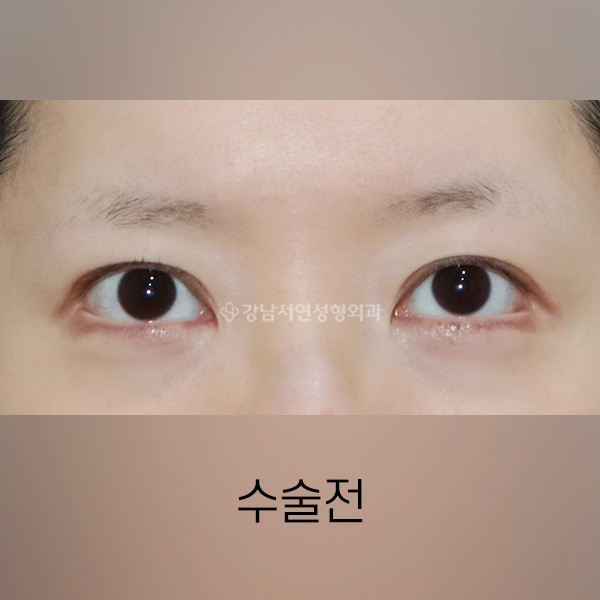
BEFORE

Before Surgery

Caruncle hidden behind the epicanthal fold.

📷
DAY 0

Immediately After

Skin redraping just completed.

📷
DAY 7

One Week Later

Stitches removed, in early recovery.

METHOD B

Lateral & Lower Canthoplasty

Performed in roughly 30% of cases — only after the eye is confirmed suitable.

We first confirm whether the eye is genuinely suited to lateral or lower canthoplasty before working out the individualized design. In our practice, only about 30% of patients are appropriate candidates — both for a meaningful effect and for a natural-looking result. The eye is opened up gently, with care taken to avoid excessive scleral show. In some cases the lid does not sit perfectly against the eyeball immediately after surgery; this typically resolves within a few days.

STEP 01
📐
DIAGNOSIS
Eye assessment
and method selection
STEP 02
DESIGN
Individualized design
based on the patient's anatomy
STEP 03
SUTURE
Incision placed and
conjunctiva closed
STEP 04
RESULT
Postoperative result
CAUTION 01

Performed alone, lateral or lower canthoplasty often re-adheres or falls short of the expected result; combining the two is generally recommended.

CAUTION 02

Lower canthoplasty is not recommended for patients with lash-line irritation, fullness under the eye, or scleral show; in those cases, skin excision or another approach is more appropriate.

METHOD C

Medial Epicanthoplasty Reconstruction

Published in Plastic and Reconstructive Surgery (2019) — a Gangnam Seoyon technique.

When too much caruncle has been exposed after a previous medial epicanthoplasty, medial epicanthoplasty reconstruction can correct the appearance. We restore the inner corner while keeping the original scar as inconspicuous as possible.

STEP 01
FLAP
V-Y advancement flap
raised at the inner canthus
STEP 02
ROTATE
Flap rotated and repositioned
as a transposition flap
STEP 03
COVER
Caruncle covered to
the appropriate degree
STEP 04
RESULT
Reconstruction complete
📄
Published in PRS (2019)

Our medial epicanthoplasty reconstruction technique was published in the American journal Plastic and Reconstructive Surgery.

Before & After Slot

Reserved for case GIFs of medial epicanthoplasty reconstruction.

REAL VIDEO

Medial Epicanthoplasty Reconstruction — One Year Post-Op

A patient who had been left with excessive caruncle exposure after a previous epicanthoplasty. This is the unedited one-year follow-up.

METHOD D

Lateral Canthoplasty Reconstruction

The lateral canthal tendon refixed to bone or periosteum.

When a previous lateral canthoplasty has left too much conjunctiva exposed — leaving the outer corner looking downturned, or causing functional issues — reconstruction is needed. The end of the lateral canthal tendon is fixed back to bone or periosteum to rebuild the corner.

📷
BEFORE

Before Reconstruction

Excessive conjunctival exposure at the outer corner.

📷
AFTER

After Reconstruction

The lateral canthal tendon refixed for a natural finish.

REAL VIDEO

Lateral Canthoplasty Reconstruction — Pre-Op to One Week

The lateral canthal tendon refixed to bone and periosteum. Pre-op, immediate post-op, and the one-week recovery — all in a single video.

CREDIBILITY

Conference Presentations on Epicanthoplasty

Techniques validated through academic presentations and live surgical demonstrations.

Lecture
Severance Hospital Gangnam Conference

Presentation on medial epicanthoplasty reconstruction and epicanthal fold restoration.

Symposium
Severance Aesthetic Plastic Surgery Symposium

Live surgery lecture on incisional ptosis correction and medial epicanthoplasty.

RESULT

Expected Results

Four outcomes patients can expect from epicanthoplasty.
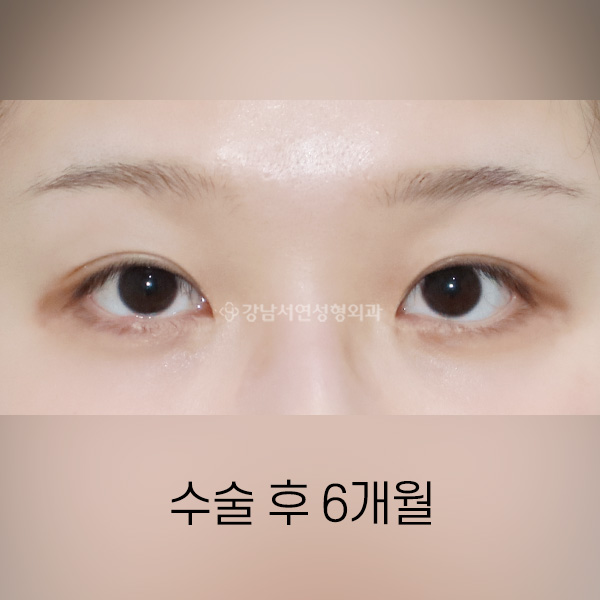
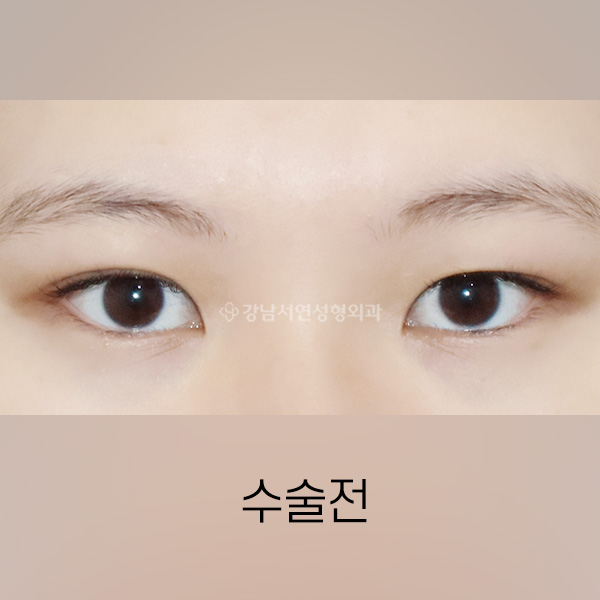
Incisional fold + medial epicanthoplasty

Incisional Fold + Medial Epicanthoplasty

Incisional fold + medial epicanthoplasty

Incisional Fold + Medial Epicanthoplasty

Incisional fold + medial epicanthoplasty

Incisional Fold + Medial Epicanthoplasty

Incisional fold + medial epicanthoplasty

Incisional Fold + Medial Epicanthoplasty

Important Information As with any surgery, possible complications include bleeding, infection, and inflammation; severity may vary by individual. Please follow your surgeon's instructions carefully.
BEFORE & AFTER

Patient Results

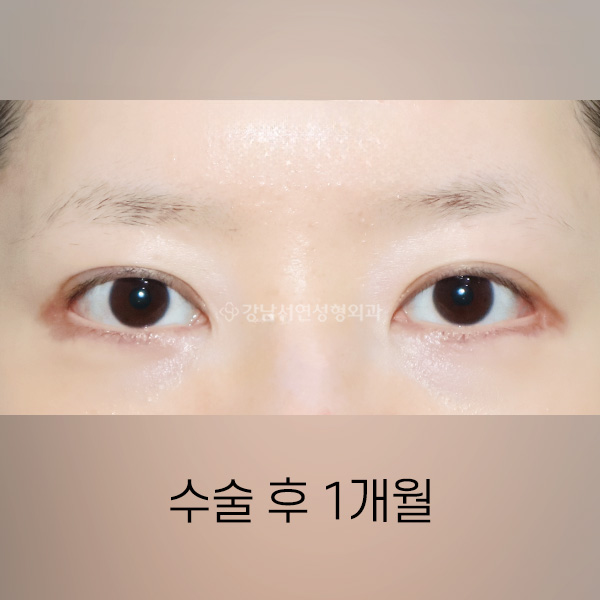
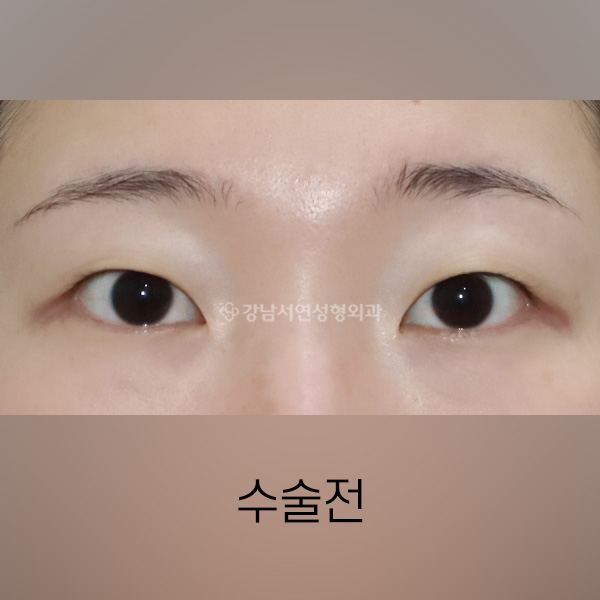
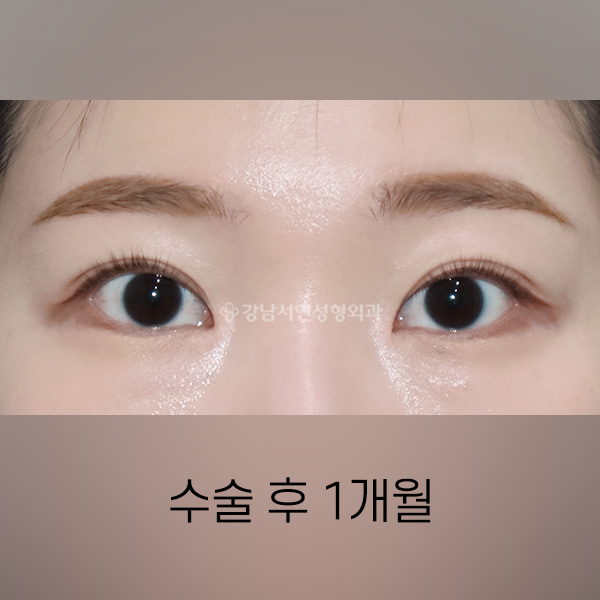
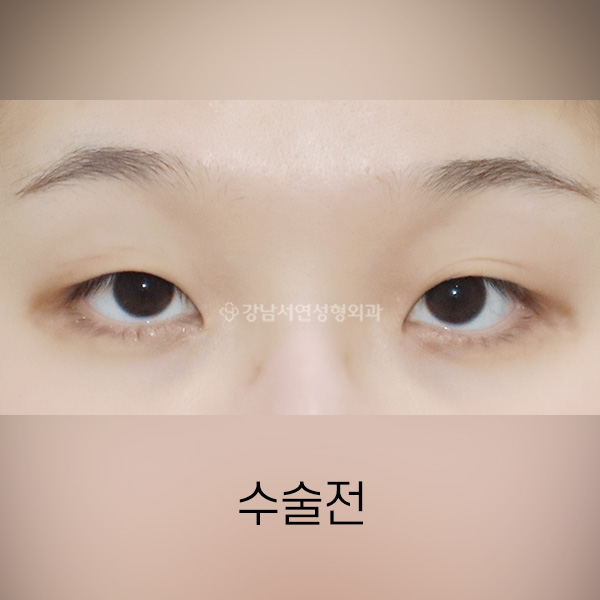
All photographs shown are taken six months after surgery. Additional cases are available in the Before & After section of the menu.
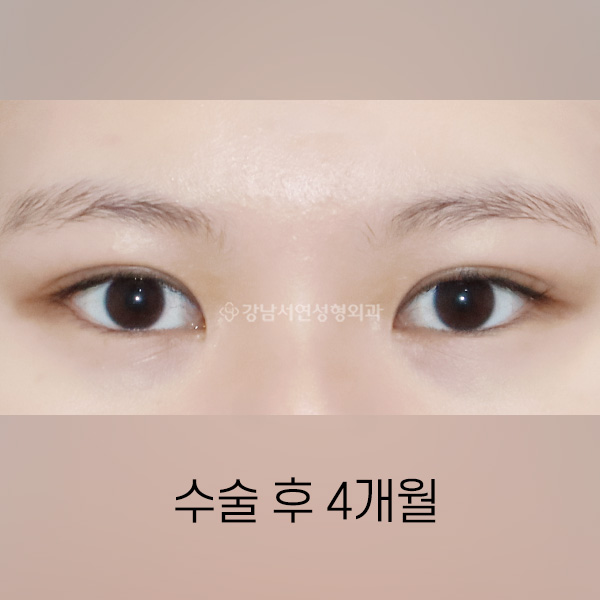
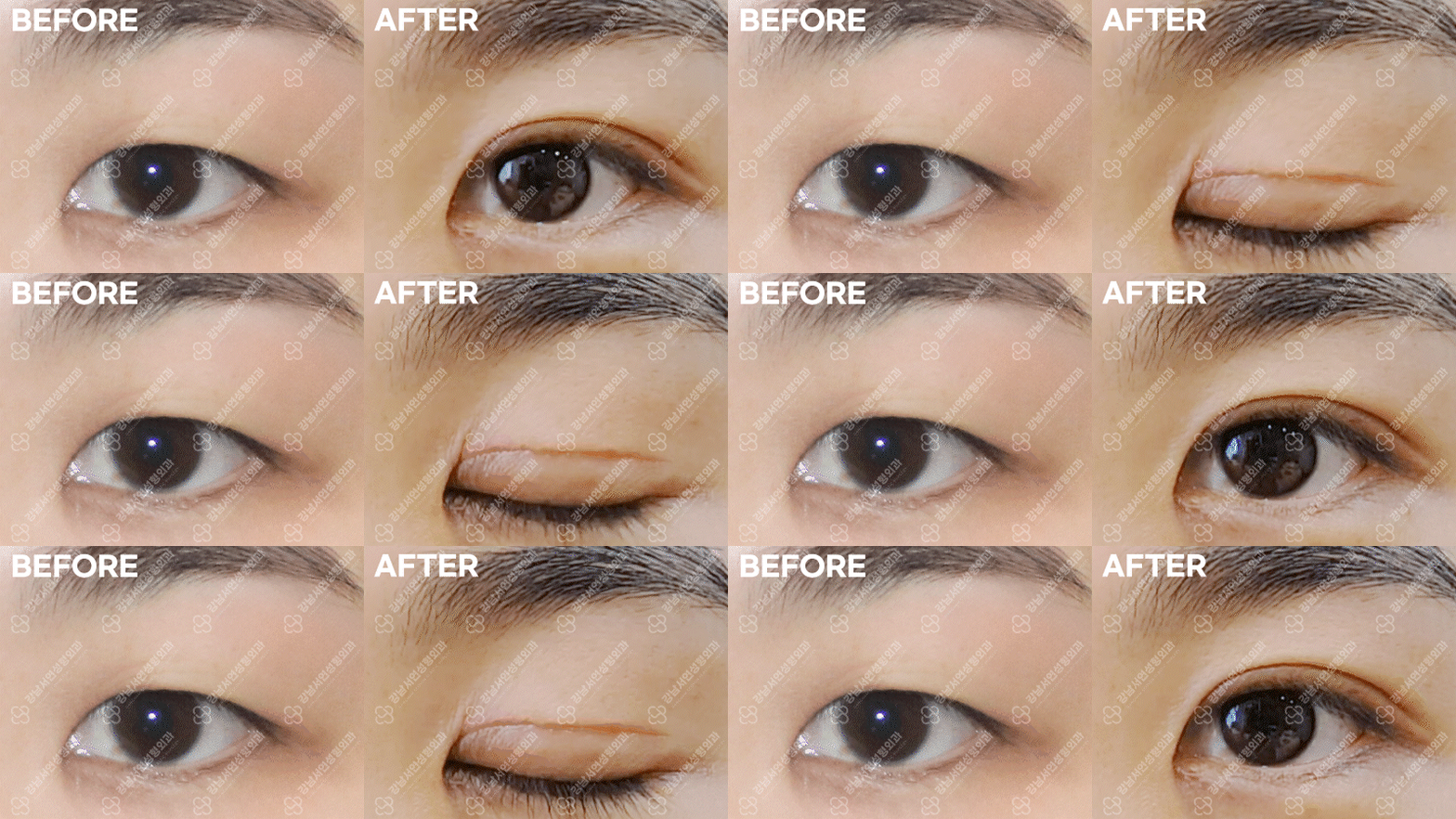
Incisional fold + medial epicanthoplasty BEFORE Incisional fold + medial epicanthoplasty AFTER
BEFORE
AFTER
#IncisionalDoubleEyelid#MedialEpicanthoplasty

Incisional Double Eyelid + Medial Epicanthoplasty

knsy case #8
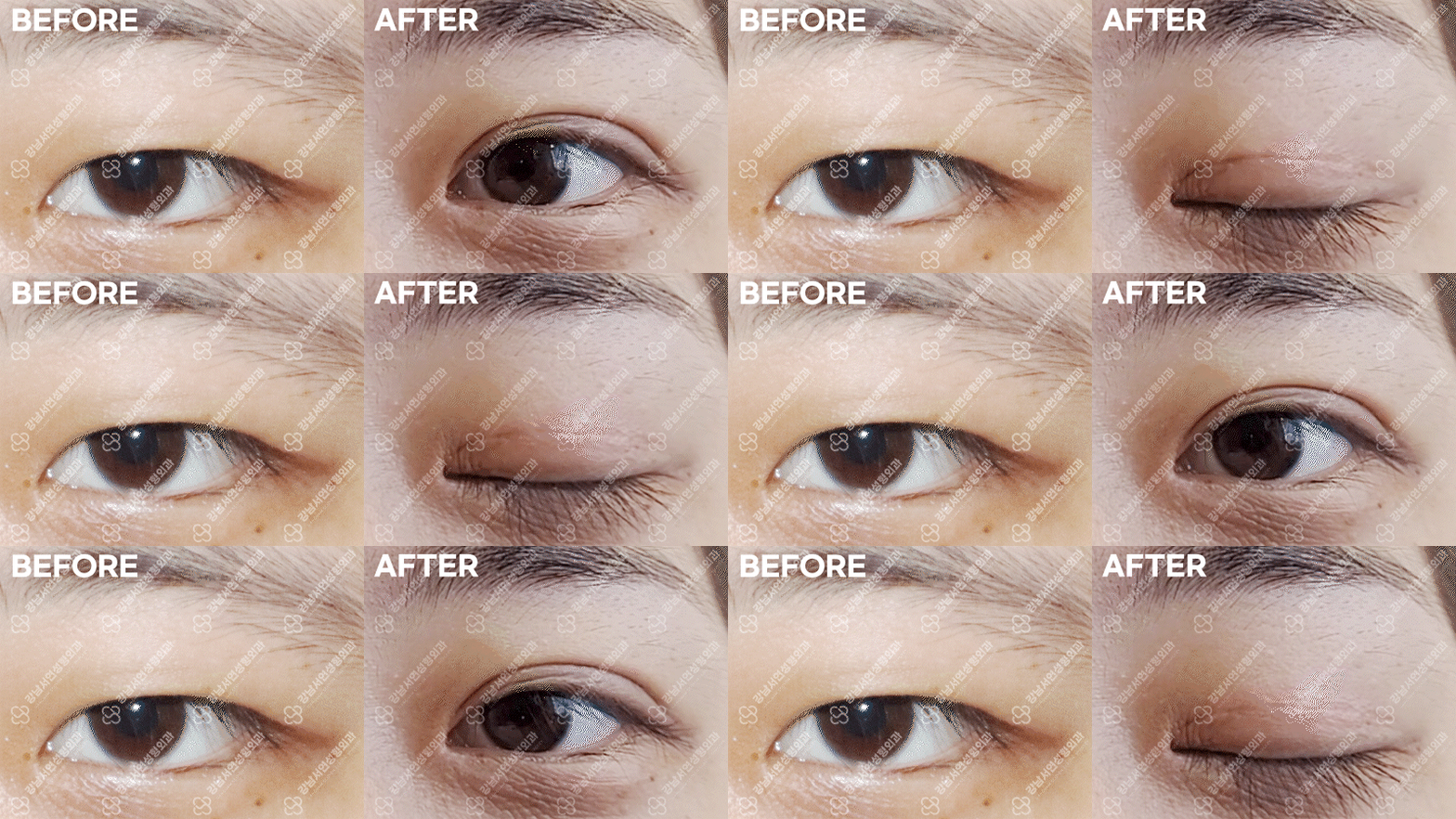
Lateral canthoplasty reconstruction BEFORE Lateral canthoplasty reconstruction AFTER
BEFORE
AFTER
#LateralCanthoplastyReconstruction

Lateral Canthoplasty Reconstruction

knsy case #22
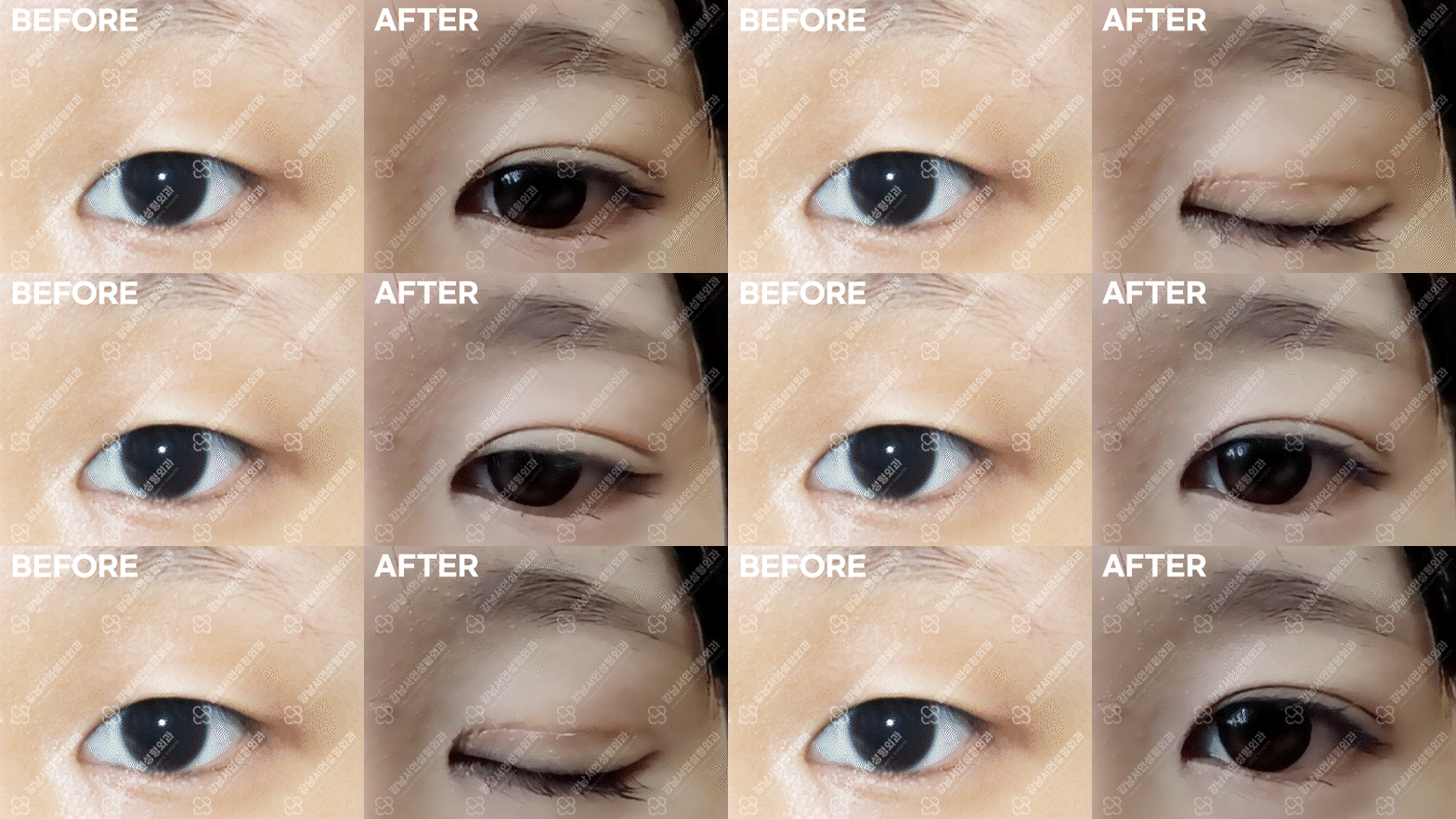
Non-incisional fold + medial epicanthoplasty BEFORE Non-incisional fold + medial epicanthoplasty AFTER
BEFORE
AFTER
#NonIncisionalDoubleEyelid#MedialEpicanthoplasty

Non-Incisional Double Eyelid + Medial Epicanthoplasty

knsy case #24
Incisional ptosis revision + medial + lateral + lower canthoplasty BEFORE Incisional ptosis revision + medial + lateral + lower canthoplasty AFTER
BEFORE
AFTER
#IncisionalPtosisCorrection#MedialEpicanthoplasty

Incisional Ptosis Correction Revision + Medial · Lateral · Lower Canthoplasty

knsy case #49
More Before & After
EXPERT GUIDE

Director's Surgical Notes

Long-form videos walking through epicanthoplasty, presented by Dr. Choi.

FAQ

Frequently Asked Questions

Which type of epicanthoplasty is right for me?
It depends on the existing shape of the eye, the proportions of the face, and the strength of the epicanthal fold. After a detailed assessment, we recommend the appropriate type and amount. In our practice, only about 30% of patients are confirmed candidates for lateral or lower canthoplasty.
Can medial epicanthoplasty be performed on its own?
Yes. That said, combining it with double-eyelid surgery or another canthoplasty type generally produces a more naturally balanced result.
Will the eye close back up over time?
An accurate design and a careful closure minimize the chance of re-adhesion. Individual healing varies, so postoperative care plays an important role.
How is the medial epicanthoplasty scar managed?
Because the procedure uses the skin redraping technique, the scar tends to fade until it is nearly invisible over time. When too much caruncle has been exposed, medial epicanthoplasty reconstruction can correct the appearance.
Is the procedure suitable for men?
Yes. For male patients, we generally take a more conservative approach to the amount of opening, so that the change reads as natural.
Important Information As with any surgery, possible complications include bleeding, infection, and inflammation. Individual results vary; please consult with your physician for the appropriate diagnosis and treatment plan.
CONSULT

Schedule a Consultation

Every inquiry is reviewed personally by Director Choi Dong-Il.

Clinic
Blog
Doctor's
Blog
Cafe KNSY
TV
Insta-
gram
Kakao
Channel
Doctors Eyes Events Before
& After
Patient
Reviews
B&A
Videos
Kakao
Talk
+82-2
535-8889
Find Us TOP ↑