Quick ConsultHoursDirectionsAll Menus
RHINOPLASTY

Autologous Rhinoplasty

A natural, lasting nose — shaped entirely from your own tissue.

"

A safer nose, without the long-term risks of an implant.

"The nose is something you carry with you for life. When the entire reconstruction is built from your own tissue, there is no rejection, no capsular contracture, and no foreign-body sensation."

— Dr. Choi Dong-Il, Director

ABOUT

What Is Autologous Rhinoplasty?

A natural reshaping of the nose using only the patient's own cartilage and dermis — no synthetic implant.

A Nose Built Entirely From Your Own Tissue

Autologous rhinoplasty refines the height and shape of the nose using the patient's own cartilage and soft tissue, rather than a silicone or Gore-Tex implant. It is a particularly good option when the existing dorsum is already adequate, when the skin is thin, or when an implant is best avoided.

Because no synthetic material is placed under the skin, the long-term concerns sometimes seen with implants — most notably chronic inflammation and visible implant show-through — are largely avoided. The result is a softer, more natural nose designed to last.

※ Sculpting the nose without an implant is, technically, the more demanding path.

VISUAL · GIF
Autologous rhinoplasty before/after comparison
PROCEDURE INFO

Procedure at a Glance

Suitable candidates, technique, and what to expect afterward.

Surgery Time
~1.5 hours
Anesthesia
Sedation / Local
Visits
1–2
Stitch Removal
After 5–7 days
Hospitalization
Same-day discharge
Daily Activity
After 3–7 days
For
Thin skin or implant concerns

Patients with a low or rounded tip, thin nasal skin, or visible signs of a previous implant.

How
The patient's own cartilage and dermis

Septal, ear, or costal cartilage — or autologous dermis — selected to match the nose's structure.

Result
A refined, natural-looking line

A nose that feels and moves like your own, without the artificial look of an implant.

By
Director-led from start to finish

Dr. Choi Dong-Il personally oversees consultation, surgery, and follow-up care — drawing on 22 years of practice.

CANDIDATES

Suitable Candidates

Five clinical situations in which autologous rhinoplasty tends to be the right choice.

01

An overall low
nasal contour

02

A flat or rounded
nasal tip

03

Reluctance to use
a synthetic implant

04

Thin skin over
the nasal dorsum

05

Complications
from a prior surgery

CONCEPT · MISCONCEPTION

Isn't using an implant more demanding?

It is a common assumption, and in surgical practice the opposite is closer to the truth. Achieving a smooth, balanced nasal contour without an implant requires more refined surgical skill than placing one — and the experience to know which donor tissue suits each nose, how to harvest it safely, and how to shape it into a stable, natural result.

Implants are easier? NO!
Cartilage gets reabsorbed? NO!
Autologous is automatically safe? It depends.
Experience That Guides the Plan

A board-certified plastic surgeon personally selects the donor tissue best suited to the patient's nasal anatomy.

Precise Diagnosis, Personalized Design

Nasal height, shape, and skin thickness are evaluated together to determine which autologous tissue will deliver the most natural result.

METHOD

Choosing the Right Donor Tissue

Each tissue source has its own strengths and limitations. The selection is made carefully, after a full diagnostic review.

🦴
MATERIAL · ILLUSTRATION
Ear cartilage harvest site
MATERIAL A

Ear (Conchal) Cartilage

Softer and more elastic than septal cartilage, with a naturally curved shape. Particularly well suited to refining the nasal tip with a soft, natural contour.

🦴
MATERIAL · ILLUSTRATION
Septal cartilage location
MATERIAL B

Septal Cartilage

The flat, vertical plate between the nostrils. Strong and straight — making it the workhorse for adding height to the dorsum and structural support throughout the nose.

🦴
MATERIAL · ILLUSTRATION
Costal cartilage harvest site
MATERIAL C

Costal (Rib) Cartilage

Used when ear or septal cartilage is insufficient — typically for noses that are short or small, or in revision cases with significant complications from prior surgery.

🩺
MATERIAL · ILLUSTRATION
Autologous dermis harvest site
MATERIAL D

Autologous Dermis

Soft tissue harvested from beneath the patient's own skin. A common choice for patients who have previously experienced inflammation around an implant.

PROCEDURE STEP

Surgical Sequence

From individualized planning to a refined, natural nasal line.

Rhinoplasty is never one-size-fits-all. The technique and the donor tissue are selected based on the patient's nasal height, shape, and current condition. When autologous tissue is used, understanding the strengths of each donor source is what makes the difference between a satisfactory and an outstanding result. Every case at Gangnam Seoyon begins with a thorough plan.

STEP 01
📷
PHOTO
Pre-surgical
evaluation
STEP 02
📐
DESIGN
Personalized plan
and material selection
STEP 03
🩺
SURGERY
Cartilage placement
along the dorsum and tip
STEP 04
RESULT
A smooth, natural
nasal contour
RESULT

What to Expect

Four characteristics of an autologous rhinoplasty performed at Gangnam Seoyon.

BEFORE / AFTER · GIF
Autologous rhinoplasty result transition
Important Information Possible postoperative complications include bleeding, infection, and inflammation. Severity may vary by individual; please proceed with appropriate caution.
BEFORE & AFTER

Patient Results

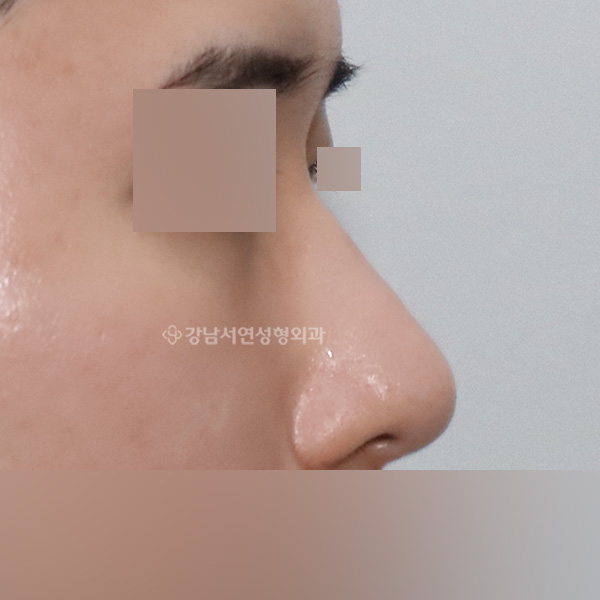
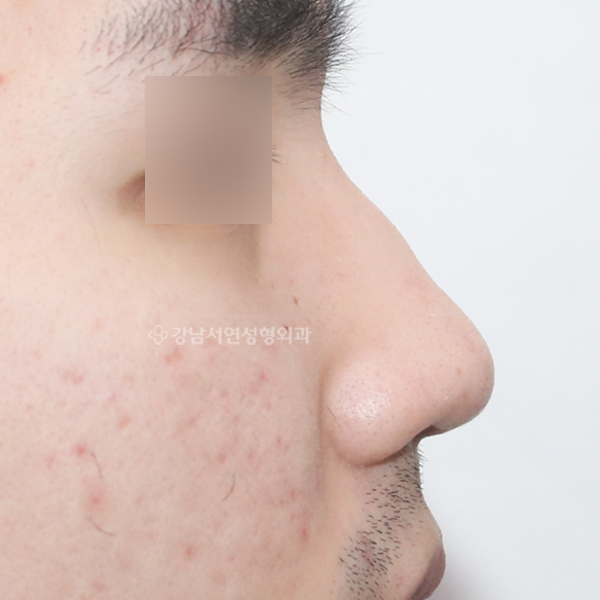
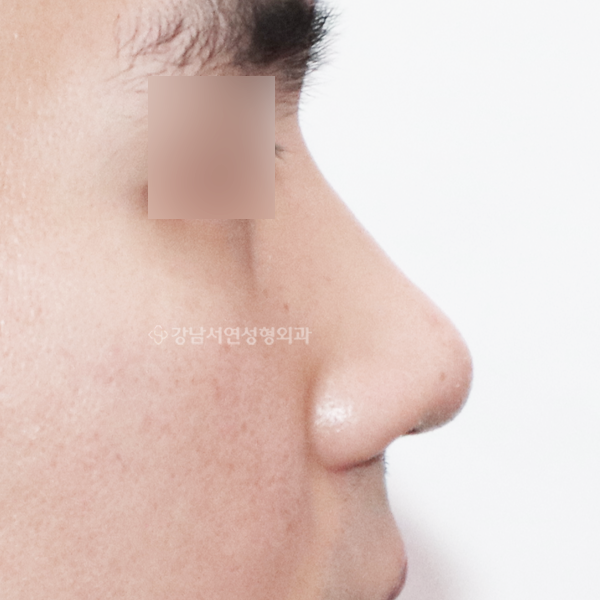
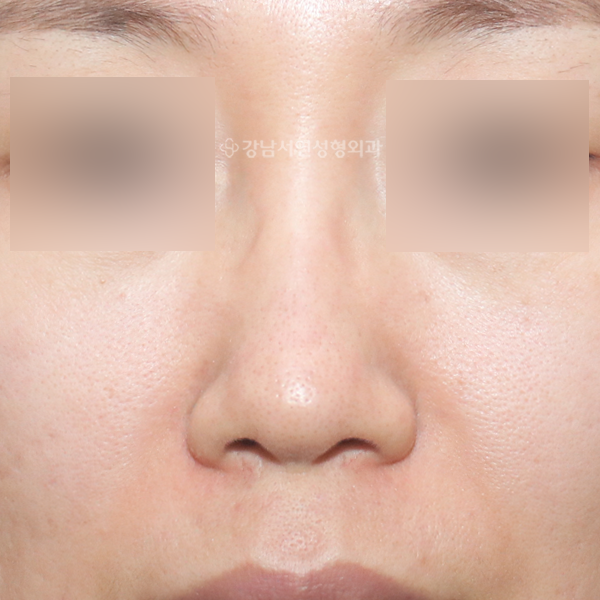
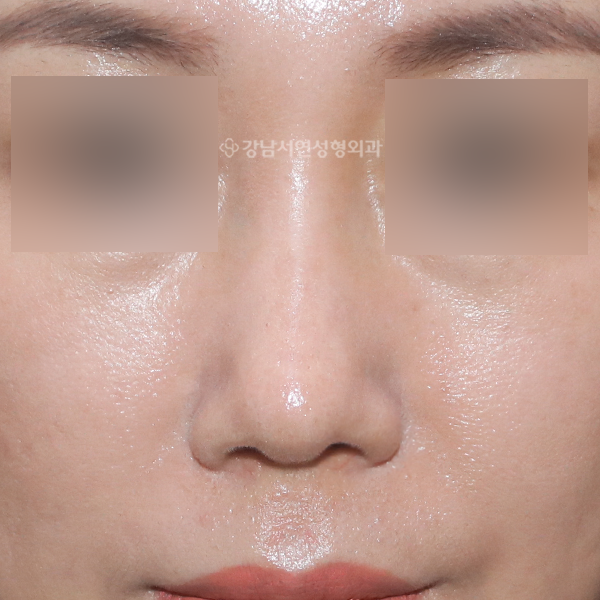
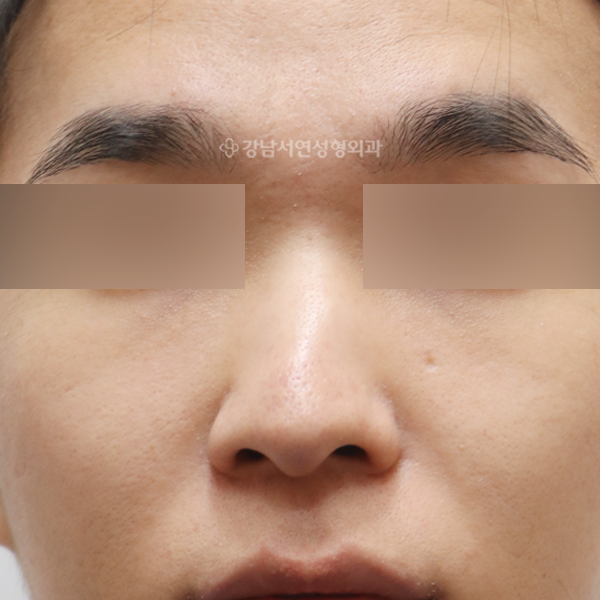
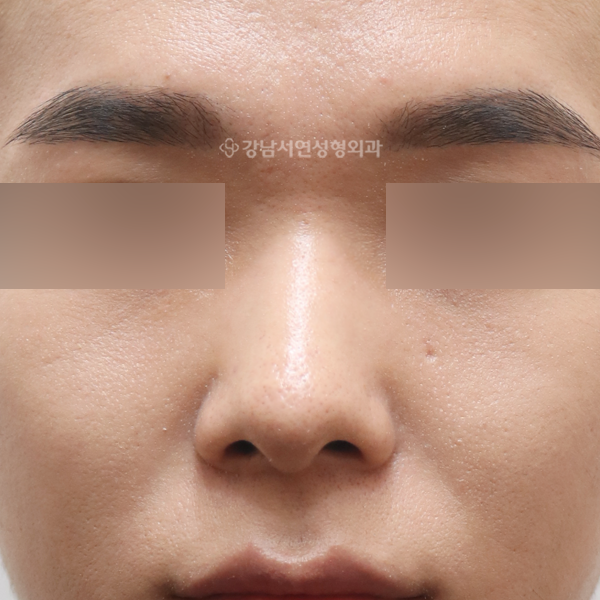
All photographs shown are taken six months after surgery. Additional cases are available in the Before & After section of the menu.
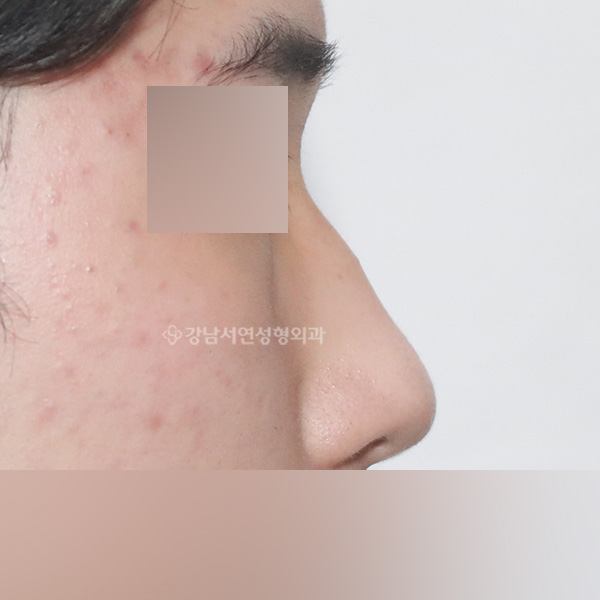
Implant-Free Rhinoplasty BEFORE BEFORE
Implant-Free Rhinoplasty AFTER AFTER
#ImplantFreeRhinoplasty

Implant-Free Rhinoplasty

KNSY Case #4
Implant-Free Rhinoplasty + Hump Reduction BEFORE BEFORE
Implant-Free Rhinoplasty + Hump Reduction AFTER AFTER
#ImplantFreeRhinoplasty

Implant-Free Rhinoplasty + Hump Reduction

KNSY Case #150
Implant-Free Rhinoplasty BEFORE Implant-Free Rhinoplasty AFTER
BEFORE
AFTER
#ImplantFreeRhinoplasty

Implant-Free Rhinoplasty

KNSY Case #218
Implant-Free Rhinoplasty BEFORE Implant-Free Rhinoplasty AFTER
BEFORE
AFTER
#ImplantFreeRhinoplasty

Implant-Free Rhinoplasty

KNSY Case #472
More Before & After
EXPERT GUIDE

Director's Surgical Notes

Videos on autologous rhinoplasty are coming soon.

FAQ

Frequently Asked Questions

What's the advantage over a synthetic implant?
Because the new structure is built from your own tissue, there is no risk of rejection, and the long-term concerns sometimes seen with implants — chronic inflammation or visible show-through — are largely avoided. The result also tends to feel and move more like a natural nose.
Doesn't autologous cartilage get reabsorbed?
In practice, very little reabsorption occurs. What matters most is precise design and stable fixation. With careful harvesting and placement, autologous cartilage holds its shape over time.
Where are the incisions placed inside the nose?
Septal cartilage is harvested through the internal mucosa, leaving no external scar. When ear cartilage is used, the incision is hidden along the natural fold behind the ear and is rarely visible.
What about scarring from rib cartilage harvest?
A small scar — about 3 cm — remains at the harvest site on the chest. It is easily covered by clothing and is generally not visible in everyday life. Costal cartilage is reserved primarily for short or small noses, or for revisions with significant complications from prior surgery.
Can autologous tissue alone provide enough projection?
In the great majority of cases, yes. Septal, ear, and costal cartilage — and autologous dermis when needed — can be combined to suit the patient's nasal structure and skin thickness.
How long is the recovery?
Most of the swelling subsides within one to two weeks. The final, settled result typically becomes apparent over three to six months. Most patients return to daily activity within three to seven days.
Important Information As with any surgery, possible complications include bleeding, infection, and inflammation. Individual results vary. Please consult thoroughly with your surgeon to determine the right diagnosis and treatment.
CONSULT

Schedule a Consultation

Every inquiry is reviewed personally by Director Choi Dong-Il.

Clinic
Blog
Doctor's
Blog
Cafe KNSY
TV
Insta-
gram
Kakao
Channel
Doctors Eyes Events Before
& After
Patient
Reviews
B&A
Videos
Kakao
Talk
+82-2
535-8889
Find Us TOP ↑