A timely correction performed within the one-to-two-week window after surgery.
"There is no need to wait six months in every case. Acting within the one-to-two-week window often produces a more natural final result."
— Dr. Choi Dong-Il, Director
A precise correction performed in the early post-operative period, before scar tissue has matured.
Because eyelid surgery is among the most frequently performed cosmetic procedures, eyelid revision is correspondingly the most common revisional surgery. The reasons patients seek early revision range from a shape they are not satisfied with, to a fold that appears overly visible, to more significant cases involving functional concerns that affect daily life. Early revision addresses these issues while the tissue is still amenable to adjustment.
※ Surgical and recovery details may vary depending on the patient's individual condition.
From surgery time to return to daily life.
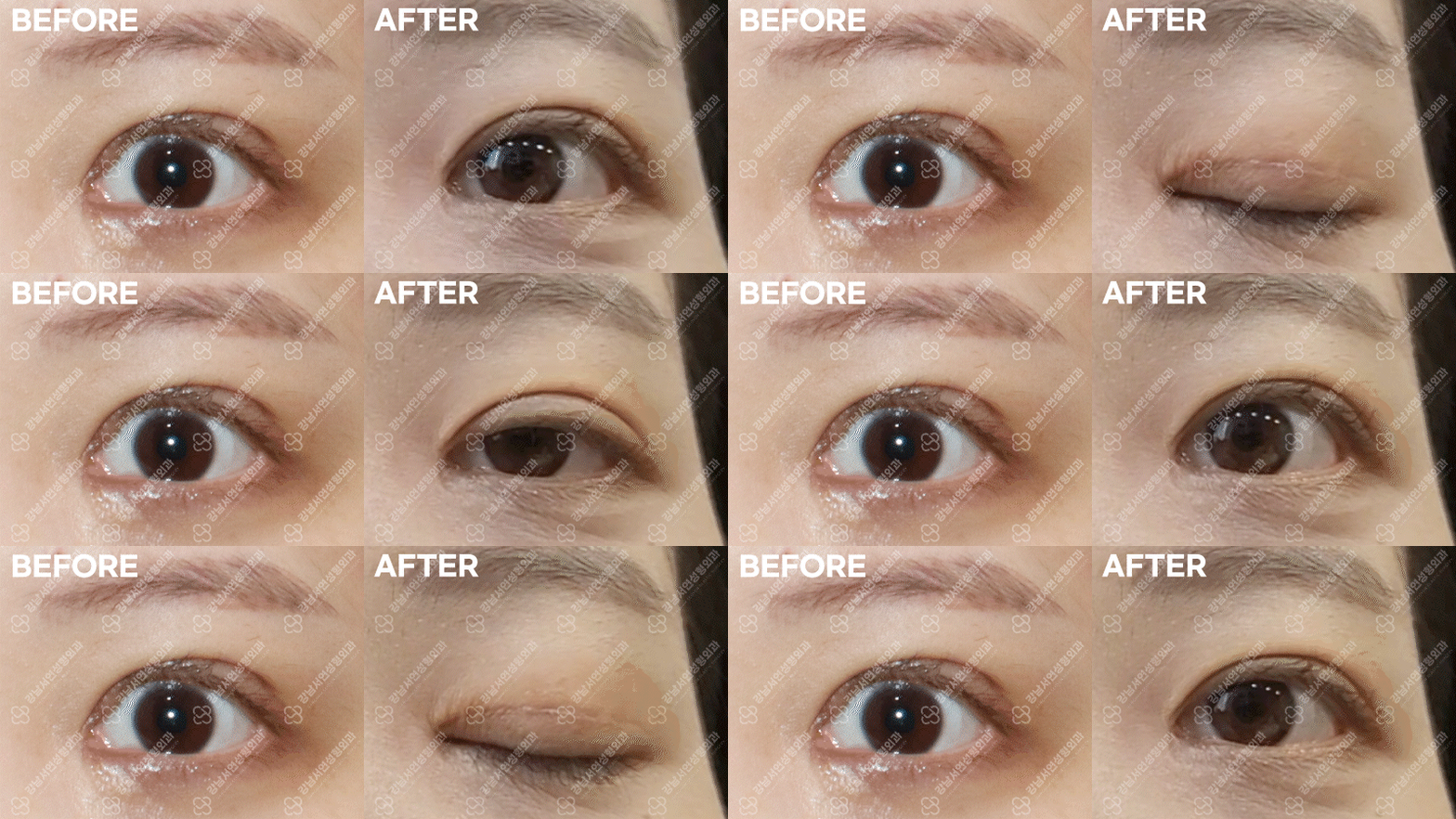
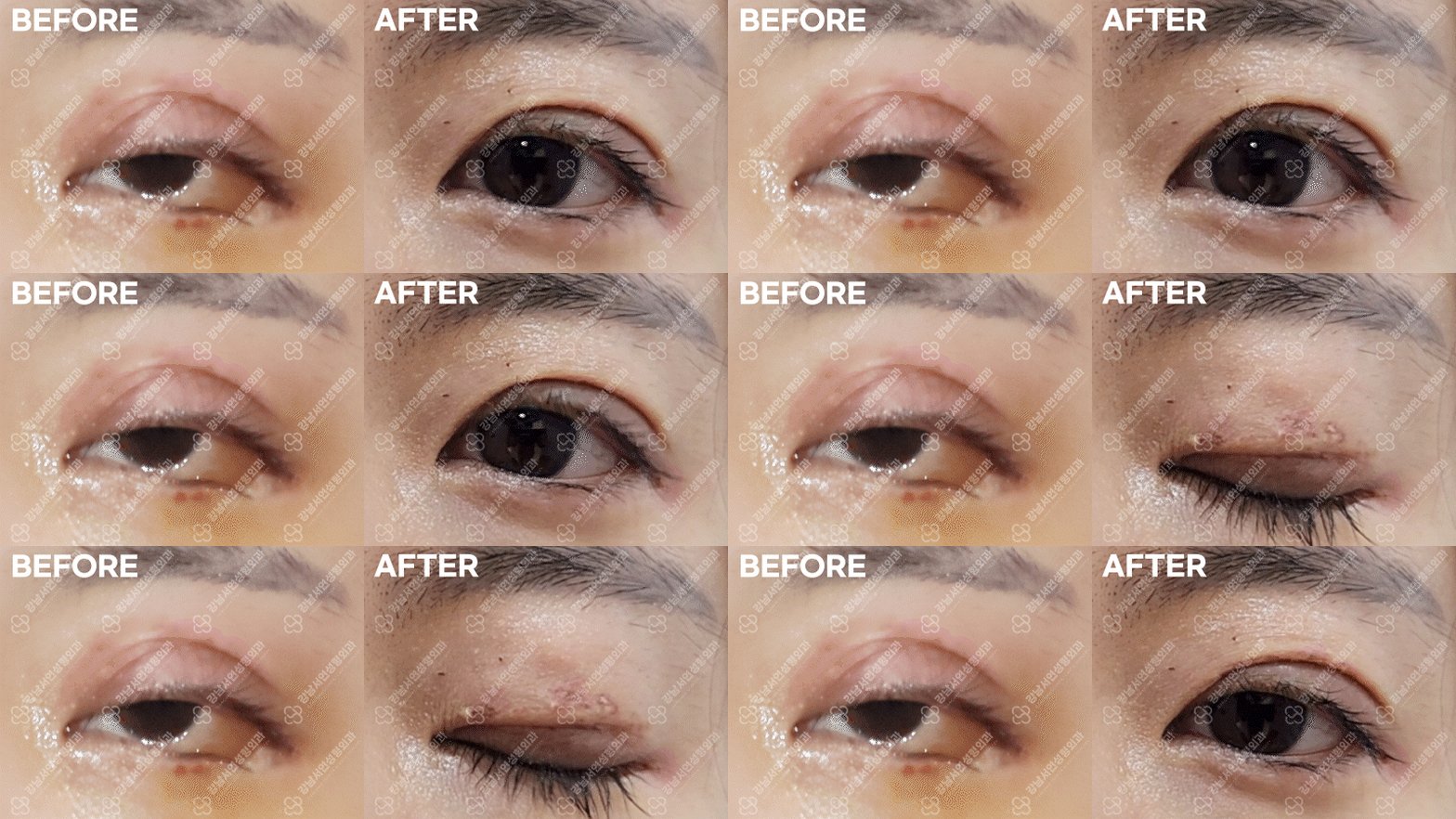

There is no single rule that applies to every case. The most favorable window is generally one to two weeks post-op, and revision can sometimes still be considered up to three weeks. Once a month has passed, we generally recommend waiting and performing the revision after six months, when the scar has matured. The exact timing is determined during consultation, with consideration for residual swelling and tissue stability.
Recovery is generally faster and the result more natural, since scarring and adhesions have not yet fully formed.
Once scar tissue has matured, it is generally safer to wait six months before performing revision.
Director Choi Dong-Il has presented on early revision at multiple academic meetings.
Early revision lecture photo placeholder.
Early revision lecture photo placeholder.
Clinical situations in which early revision is most effective.
An unsuccessful ptosis correction
resulting in uneven eye opening
Under-corrected
ptosis surgery
Over-corrected
ptosis surgery
Significant multiple folds
from misplaced adhesion
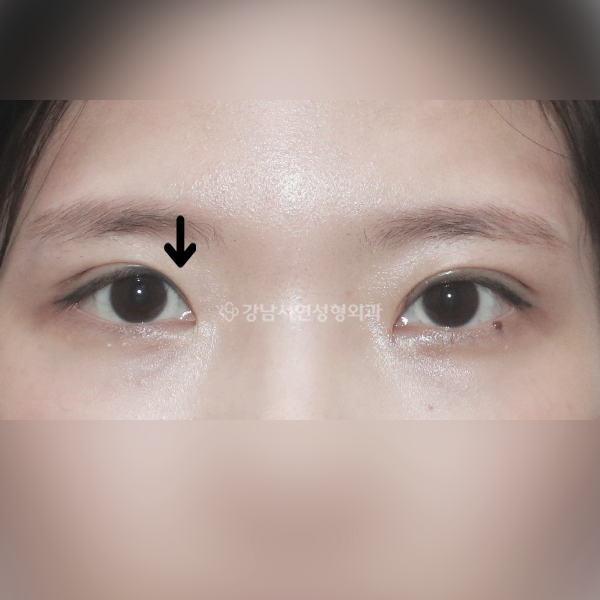
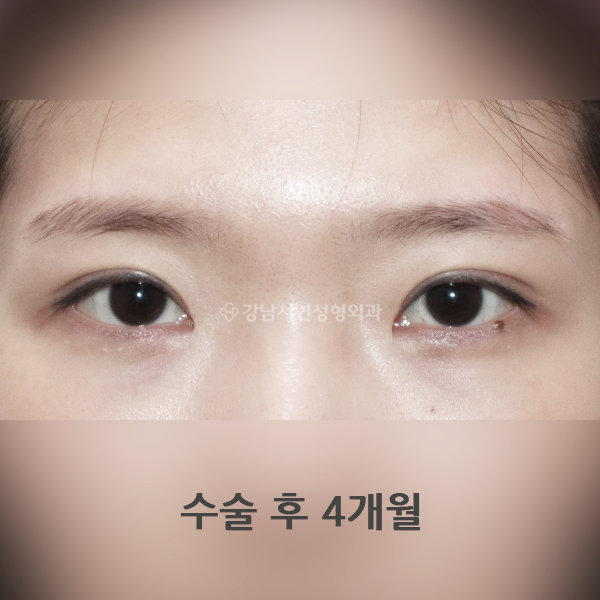
An actual case of early revision following an unsatisfactory double-line excision technique performed elsewhere, shown unedited for clinical reference.
Performed within the one-to-two-week post-operative window.
The result when correction is performed before scarring and adhesion fully form.
Three principles that allow the optimal timing window to be used safely and effectively.
A careful diagnosis by an experienced, board-certified plastic surgeon.
An individualized design that takes the eye shape, current condition, and overall facial balance into account.
Thorough planning and refined surgical technique to minimize tissue trauma.
All photographs shown are taken six months after surgery.
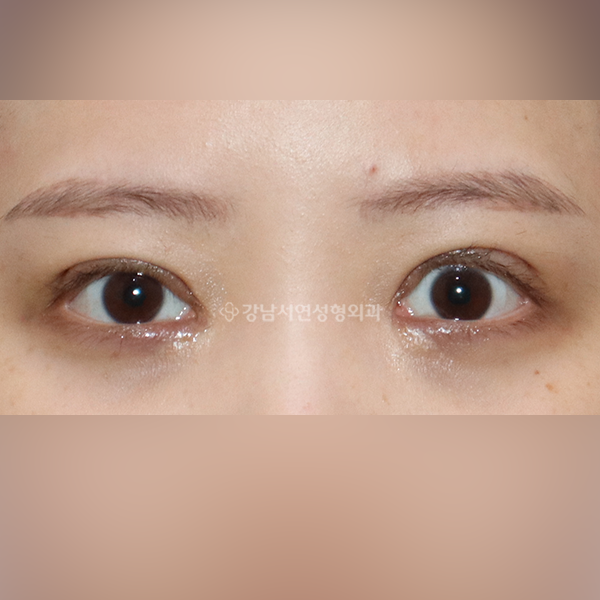
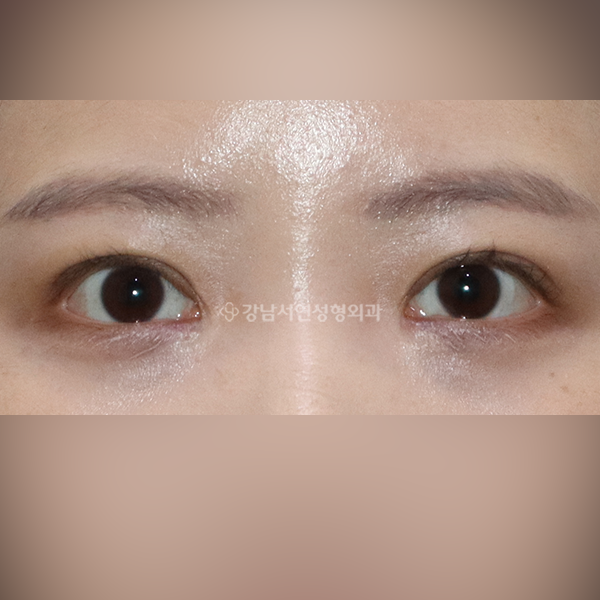
One-month case footage, the timing window for early revision, and conference-lecture excerpts.
A patient who developed multiple folds after a double-line revision elsewhere, brought back into shape with early revision. One-month follow-up.
How early revision is used to address multiple folds caused by a combination of over-corrected ptosis and a failed double-line revision.
The one-to-two-week golden window for early revision, and how to know whether your case fits that timing.
Selected excerpts from the second half of an early-revision lecture given at a plastic surgery society meeting.
Key considerations before surgery, explained on video by Dr. Choi.
Every inquiry is reviewed personally by Director Choi Dong-Il.