
When patients first start looking into eye surgery, the terms "double eyelid surgery" and "ptosis correction" come up side by side and are often a source of confusion. To give you the conclusion first: the two operations have fundamentally different aims. Double eyelid surgery is about creating a crease, whereas ptosis correction is about improving the strength with which the eye opens (levator muscle function) in order to resolve a drooping upper eyelid. In other words, the operation you need is determined not by whether you have a crease, but by whether the eye opens properly.
In this article I have set out the fundamental difference between the two operations, the criteria for working out which one you need, and the cases in which both are performed together.
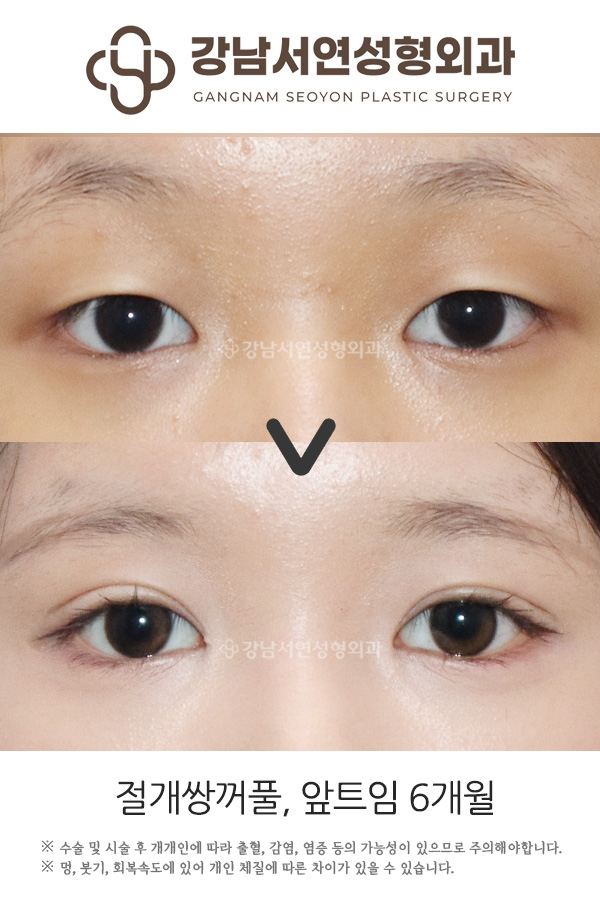
■ Double eyelid surgery and ptosis correction have different aims
Double eyelid surgery creates a crease in the upper eyelid so that the eye looks larger. It is performed either by the non-incisional (buried suture) method or by the incisional method, and it does not substantially affect the strength with which the eye opens.
Ptosis correction strengthens the function of the levator muscle in order to lift a drooping upper eyelid. Regardless of whether a crease is present, its purpose is to address eyes that open only halfway or tire easily because the lifting force is insufficient. The condition commonly called "blepharoptosis (drooping upper eyelid)" is what ptosis correction is intended for.
So the distinction becomes easy if you think of double eyelid surgery as addressing "shape" and ptosis correction as addressing "function."
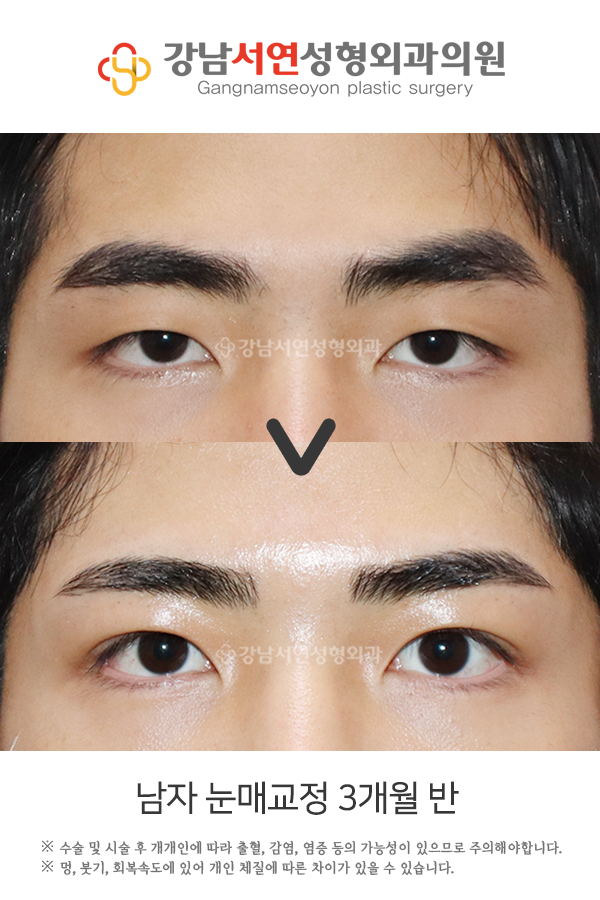
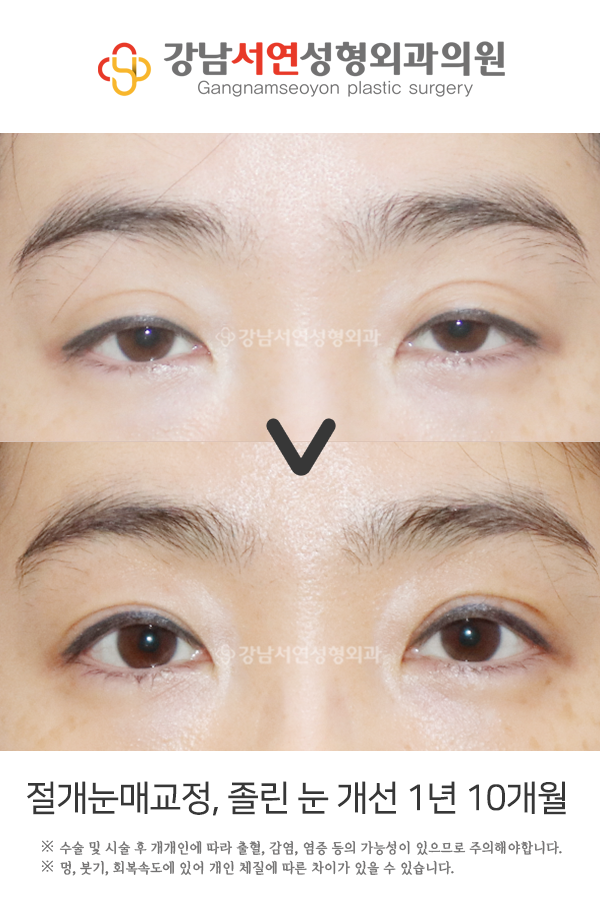
■ How to tell whether you need ptosis correction
If any of the following apply to you, double eyelid surgery alone may not give you the result you are hoping for.
- Your forehead muscles tense up, or your eyebrows lift, when you open your eyes
- There is a marked difference in size between your two eyes, as with asymmetric eyes
- Your eyes tire easily, and you are often told that you look sleepy
- Even after double eyelid surgery, the crease feels heavy or your eyes feel as though they do not open fully
- The upper eyelid is heavy and droops, so the crease is barely visible
If any of these apply to you, designing the crease alone will not bring about fundamental improvement. The eye-opening strength has to be improved first through ptosis correction for the result to look natural.
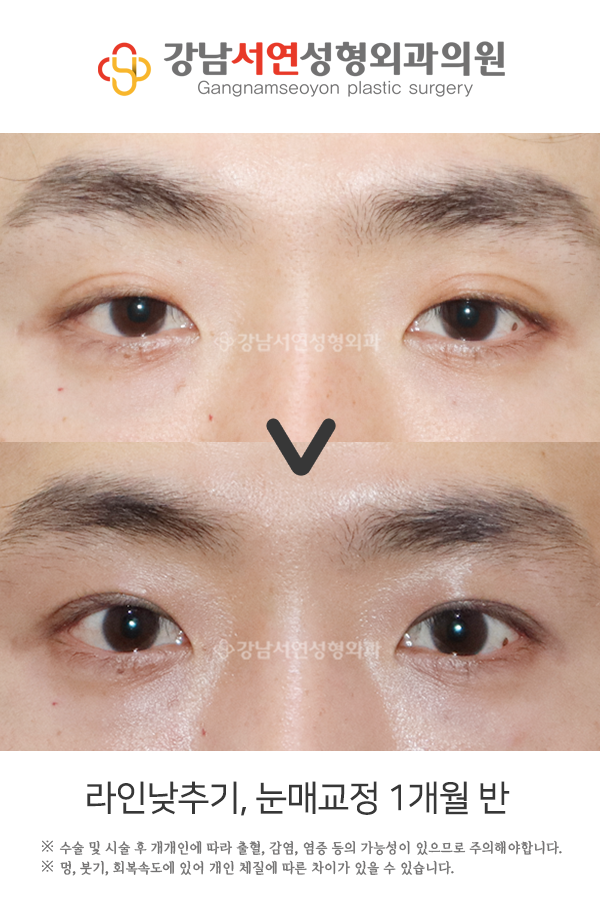
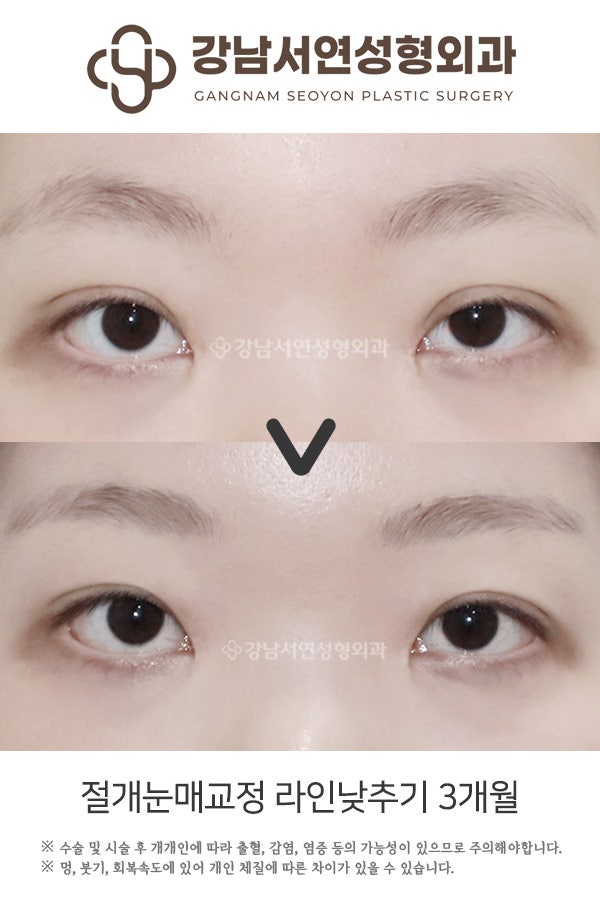
■ When the two operations are performed together
In practice, it is not uncommon for double eyelid surgery and ptosis correction to be performed at the same time in patients coming in for their first eye surgery consultation. This is because creating a crease alone in an eyelid that is already drooping can leave the crease looking heavy, or cause it to loosen over time.
In these cases the incisional method is used as the standard approach, and the levator muscle is adjusted during the incision so that ptosis correction and crease formation are carried out in a single procedure. Conversely, when there is no problem with eye-opening strength and only a crease is required, the non-incisional method alone is often sufficient.
Ultimately, the accurate approach is not to view the two operations separately, but to assess "is a crease needed?" and "does the eye-opening strength need improving?" independently, and then decide on the combination required.
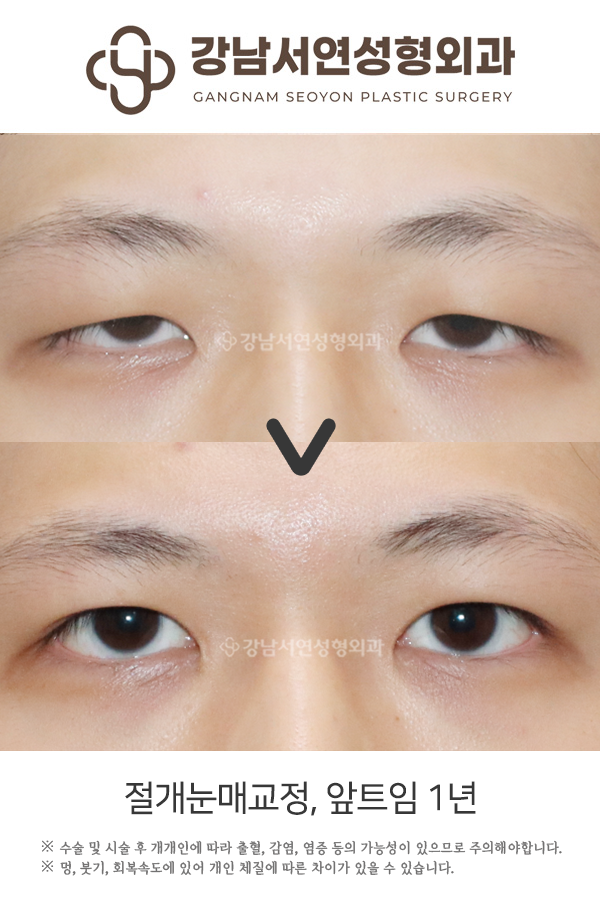
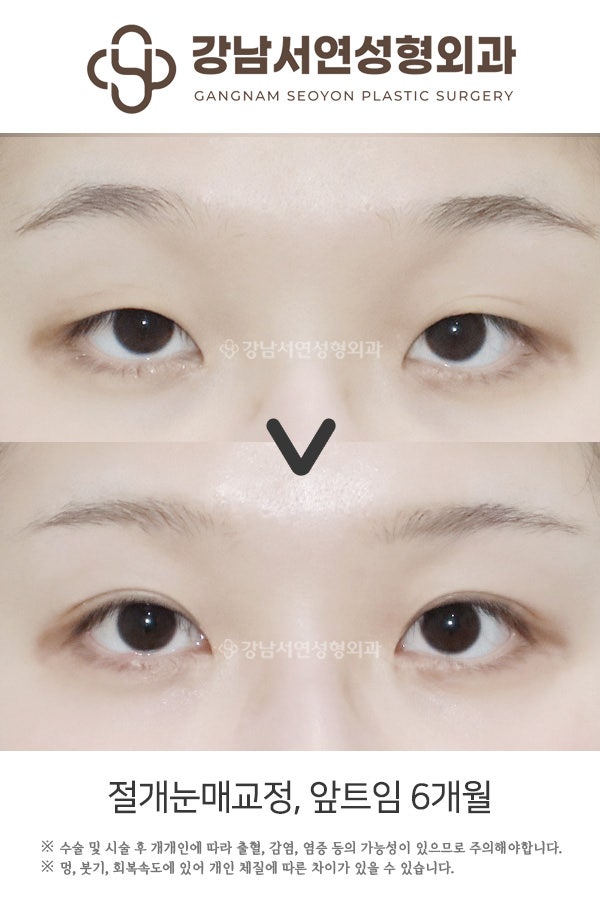
■ Problems that can arise when ptosis is overlooked
If double eyelid surgery alone is performed without checking whether ptosis correction is needed, the following problems can occur.
- A crease is formed, but the eyes still do not open fully, so the heavy look persists
- The droop progresses over time and the crease loosens asymmetrically
- The desired eye size, or the change in overall appearance, does not come through sufficiently
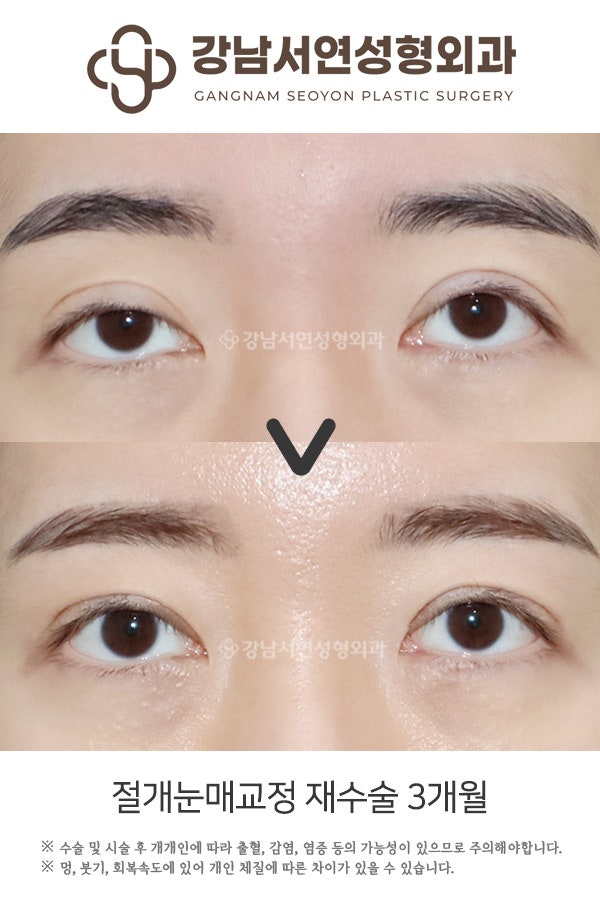
For these reasons, at a first eye surgery consultation it is important to assess levator muscle function and establish whether ptosis correction is needed before any crease design is discussed.
■ Frequently asked questions (FAQ)
Q. Is ptosis correction only for people who do not have a double eyelid?
A. No. Even if you already have a crease, ptosis correction may be necessary if your eye-opening strength is weak. Whether you have a crease and whether you need ptosis correction are two separate matters.
Q. Can ptosis correction be performed on its own?
A. Yes. If you want to improve only the eye-opening strength without altering your existing crease, ptosis correction can be performed on its own.
Q. How can I tell whether I am a candidate for ptosis correction?
A. An accurate assessment requires levator muscle function testing during consultation. Rather than judging for yourself, it is safer to have this confirmed by a specialist.
Q. Does ptosis correction change one's appearance a great deal?
A. As the eye-opening strength improves, the eyes often look more defined and more open. The degree of change, however, varies according to each individual's eyelid condition.
■ In closing
Double eyelid surgery and ptosis correction are not competing procedures; they are separate operations that address different problems. If you are considering your first eye surgery, establishing whether you are a candidate for ptosis correction — before any crease design — is the first step towards a natural, satisfying result.


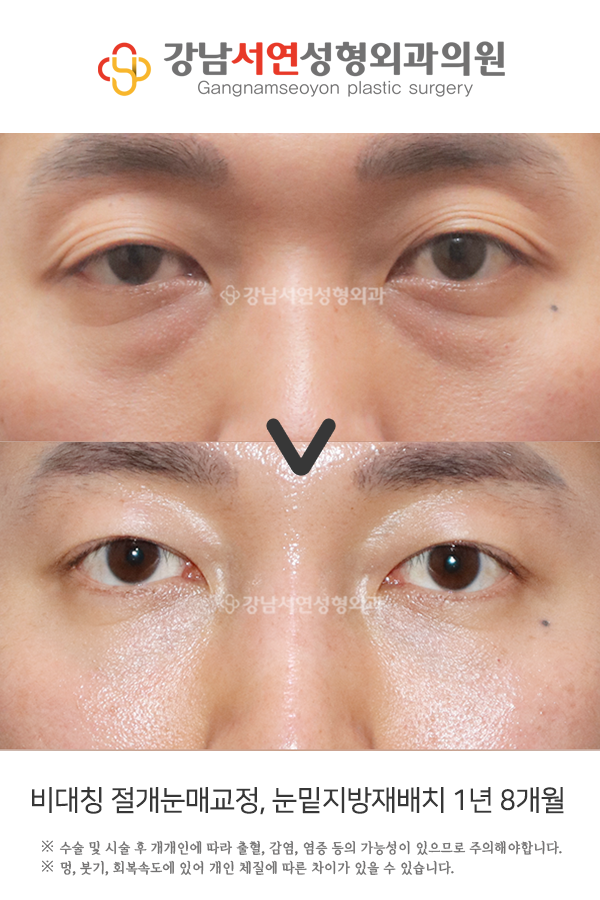
The photographs in this post were taken under identical conditions with the patient's prior consent.
In addition, side effects such as bleeding, infection, and inflammation may occur after plastic surgery or procedures depending on the individual, so caution is required.