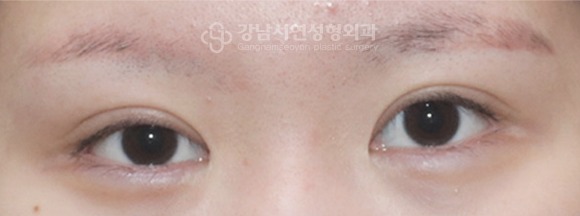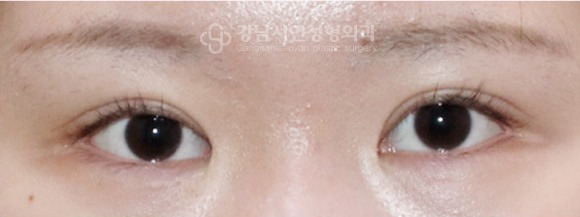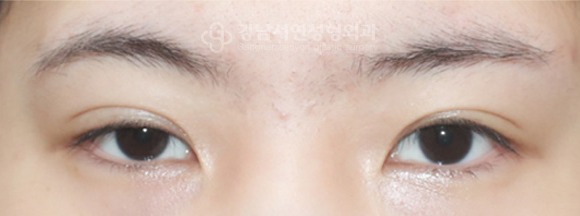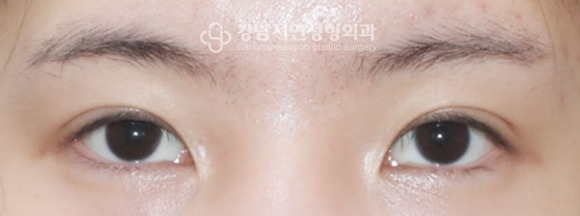
Up to Severe Ptosis — Precise Correction
"Because the causes vary, we must first determine whether to operate on only one side or both sides."
— Dr. Choi Dong-il, Chief Surgeon
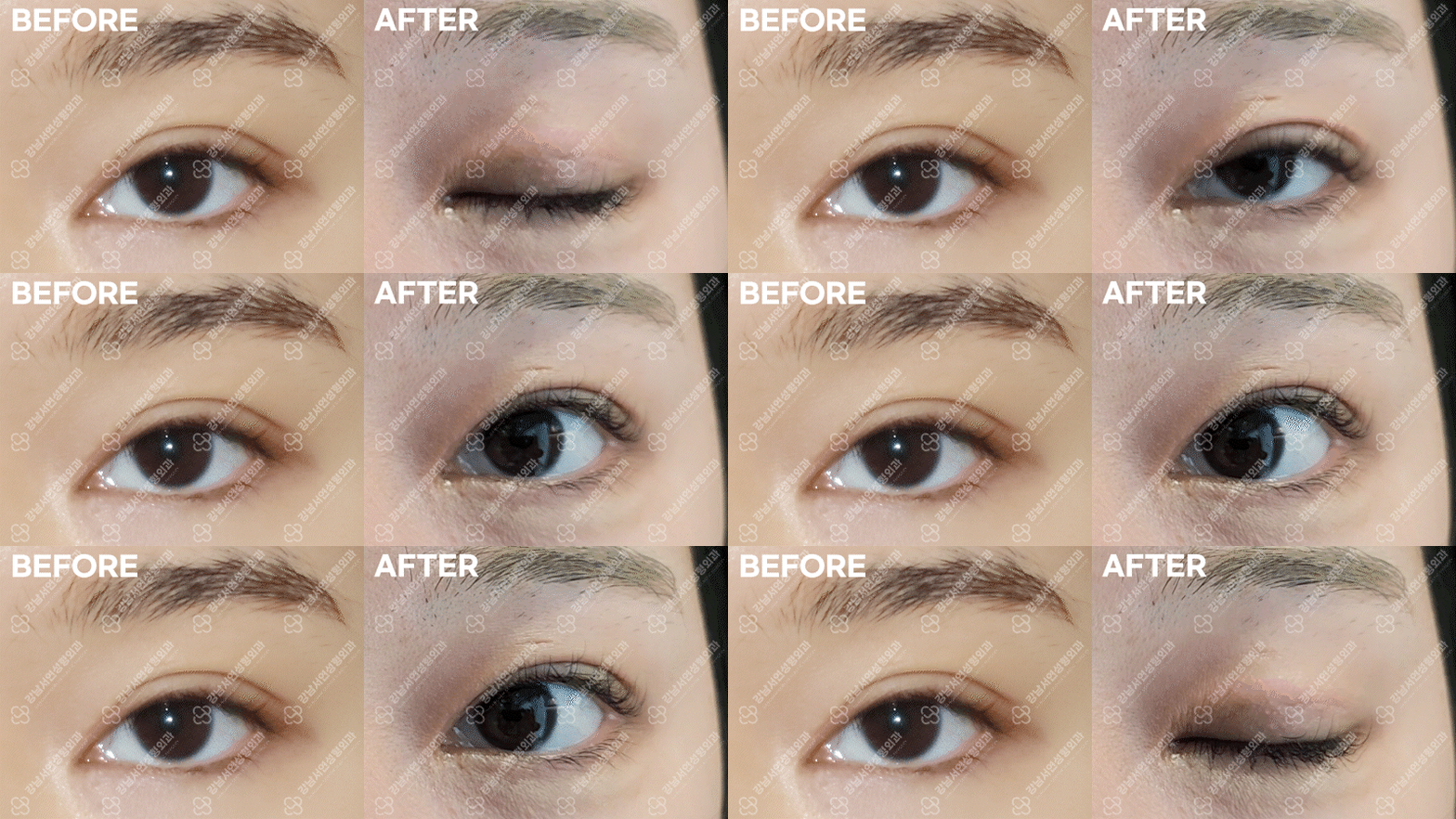
The before and after photos shown are taken 6 months before and after surgery.
The before-and-after photos and videos shown here are published with the consent of patients who underwent surgery at our clinic, and are genuine, unretouched images. Any unauthorized use by other institutions will be subject to strict legal action.


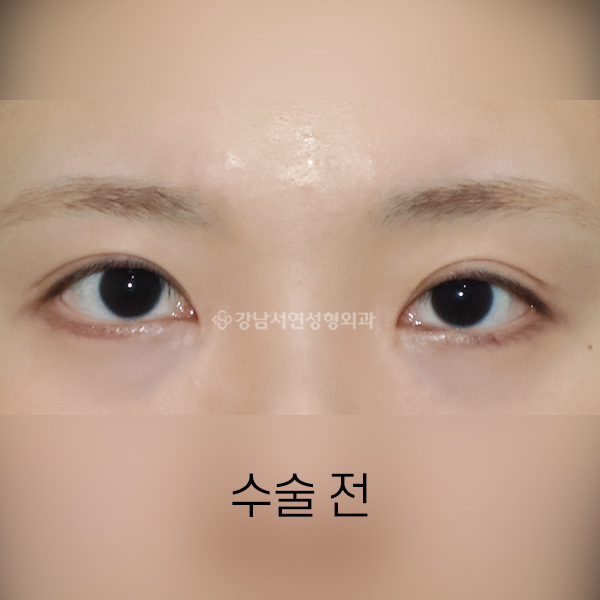
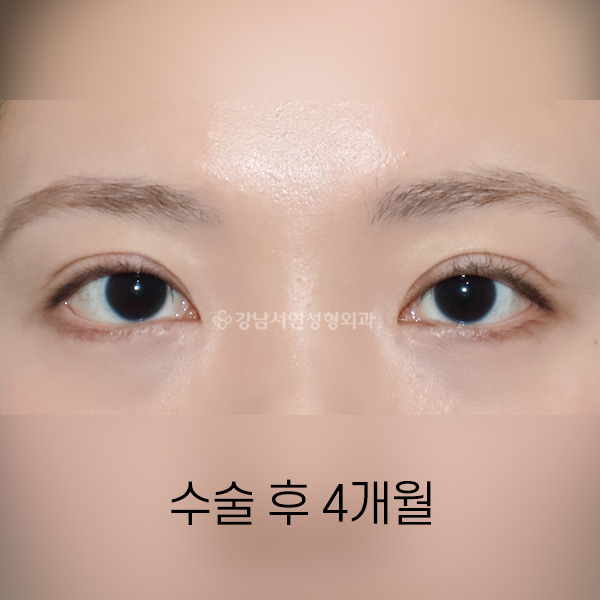
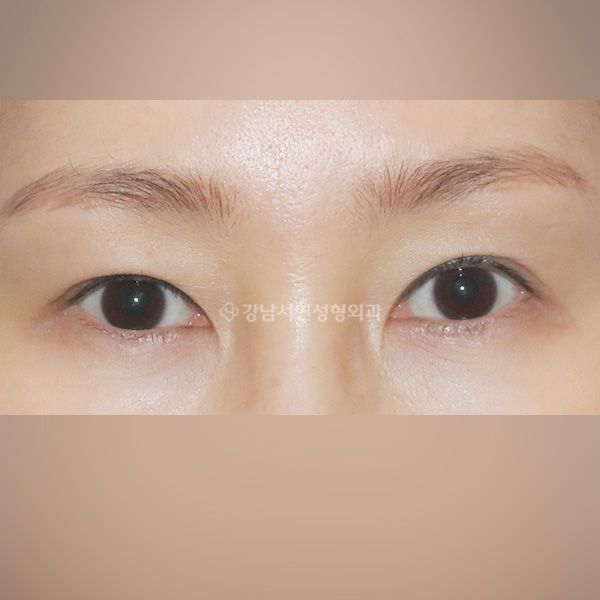
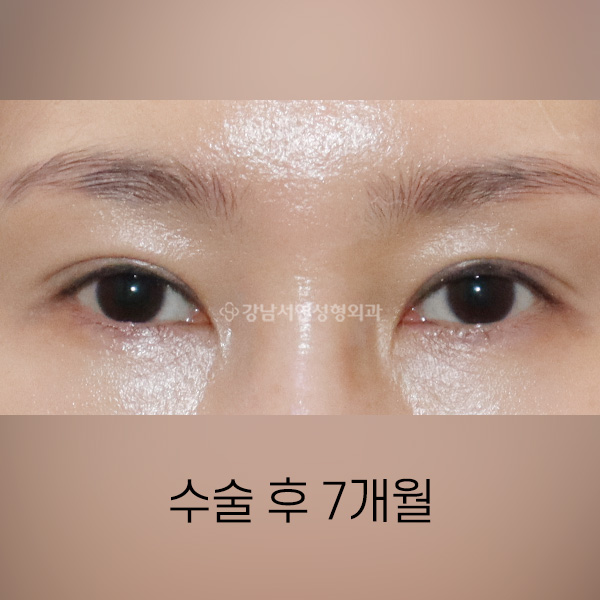
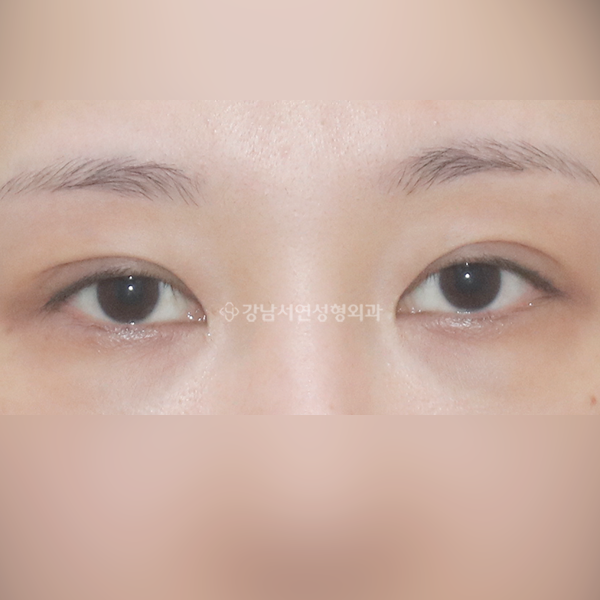
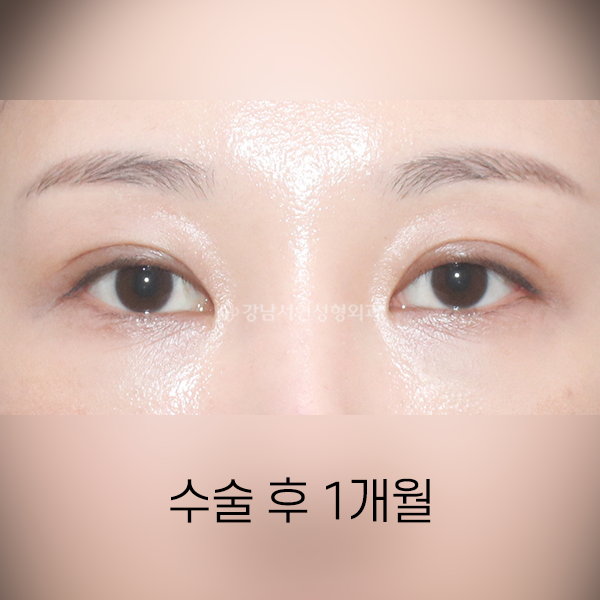
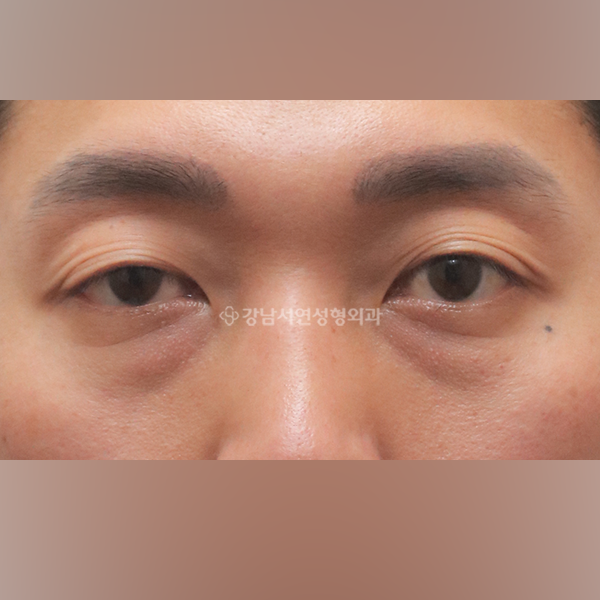
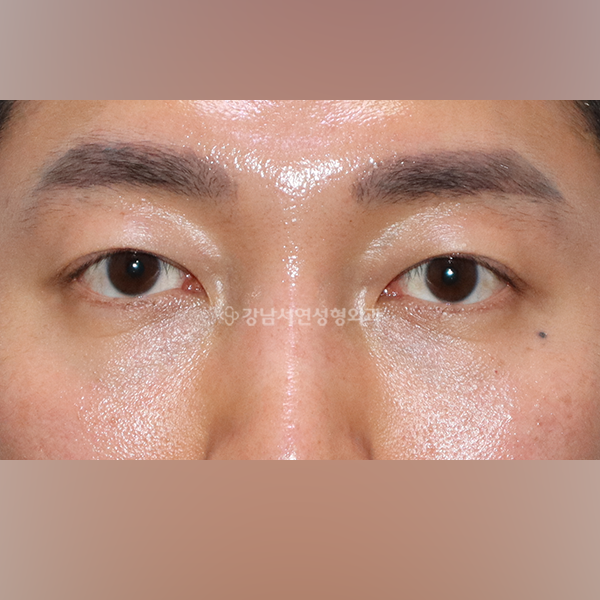
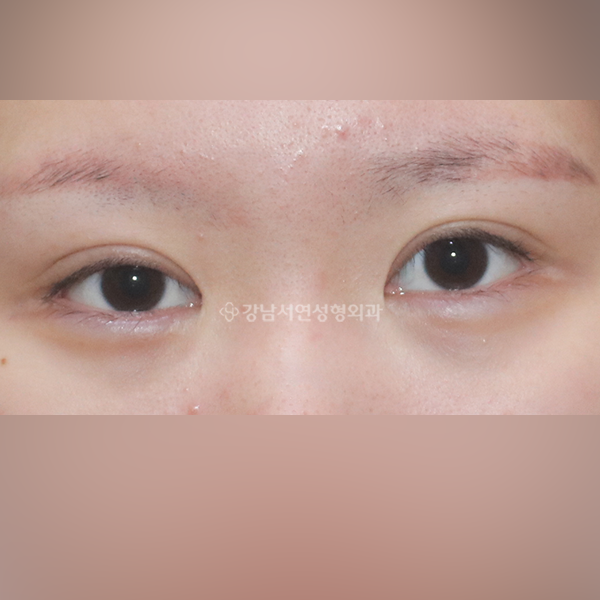
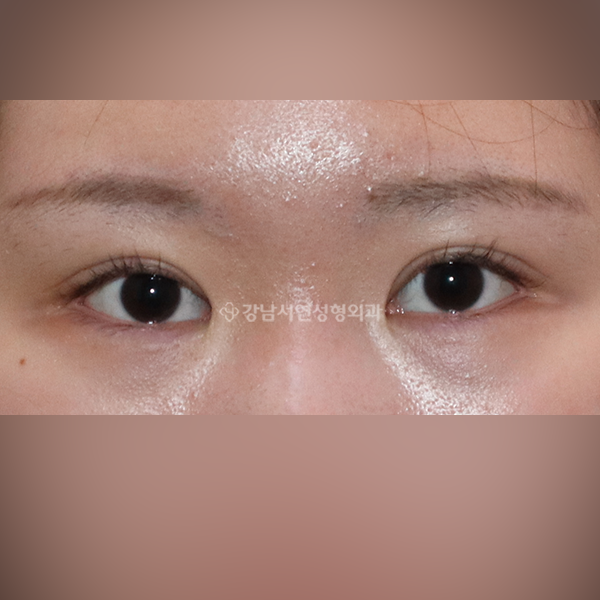
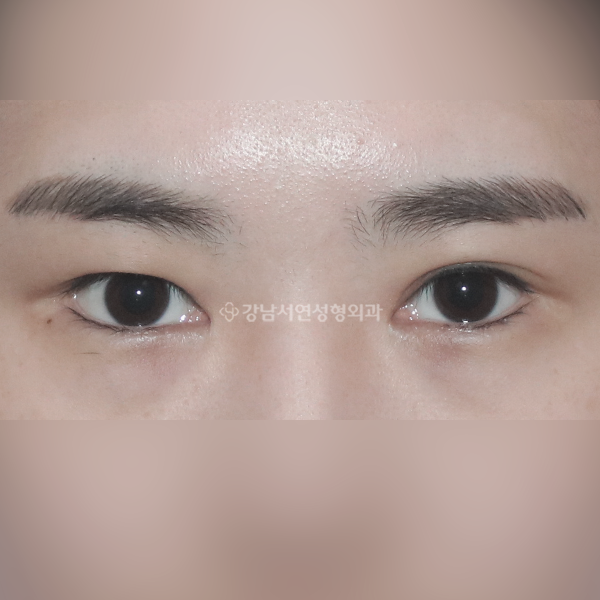
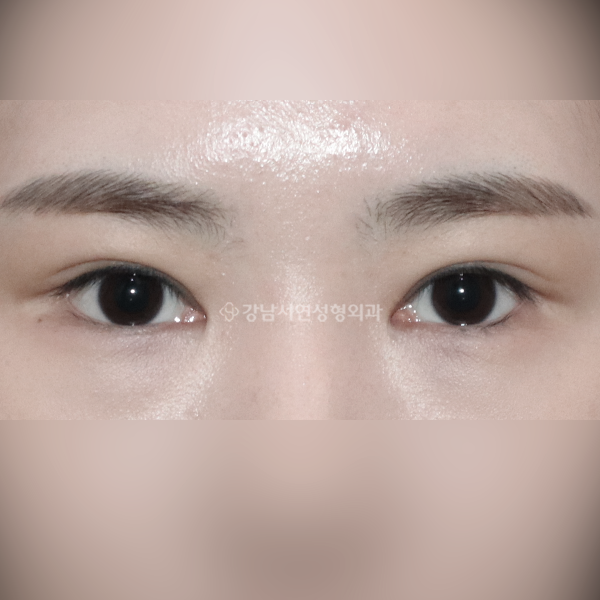
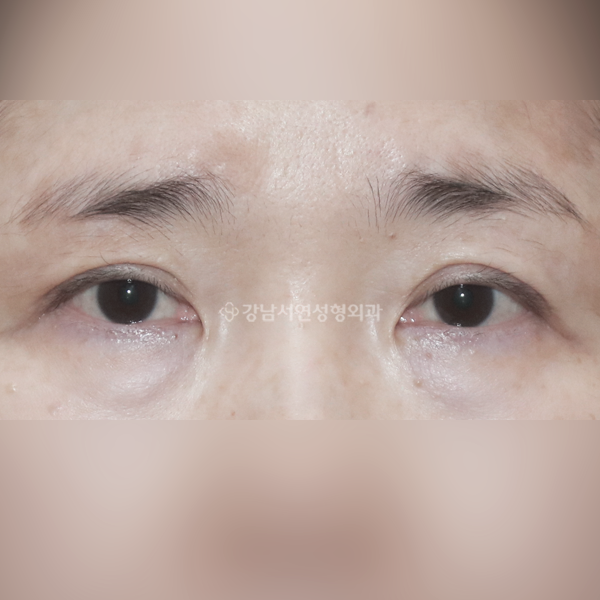
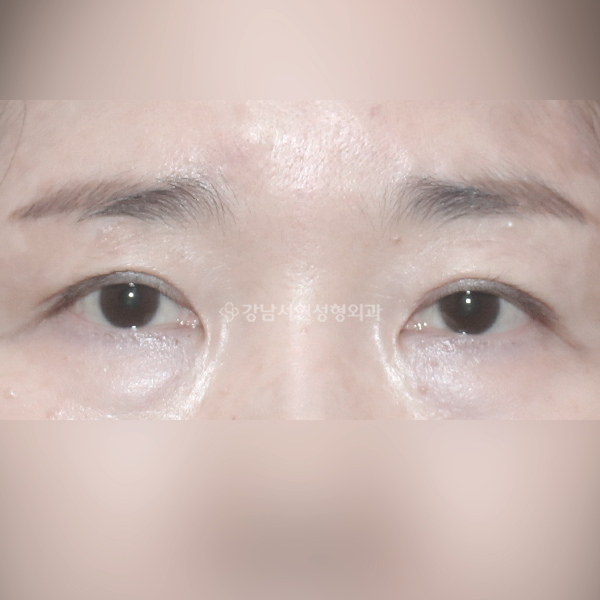
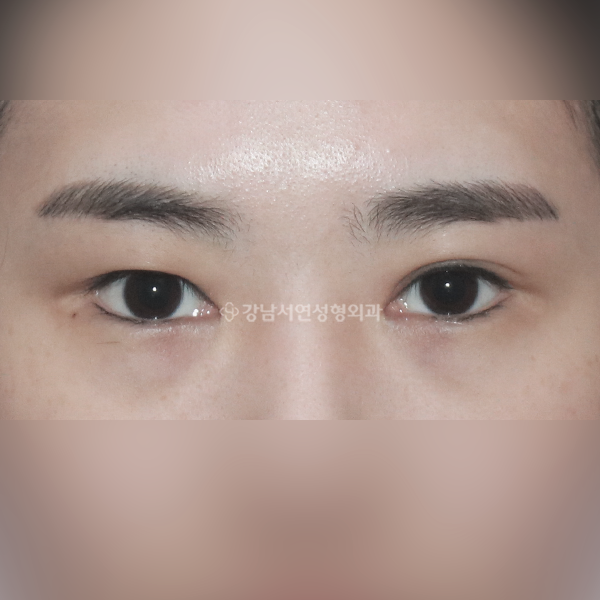
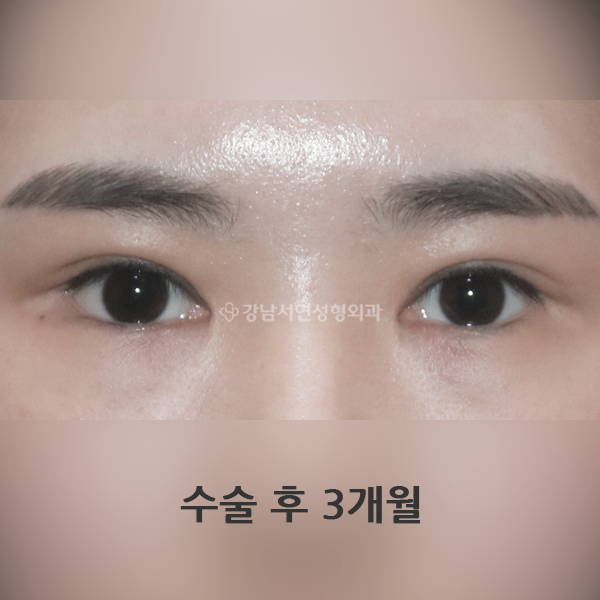
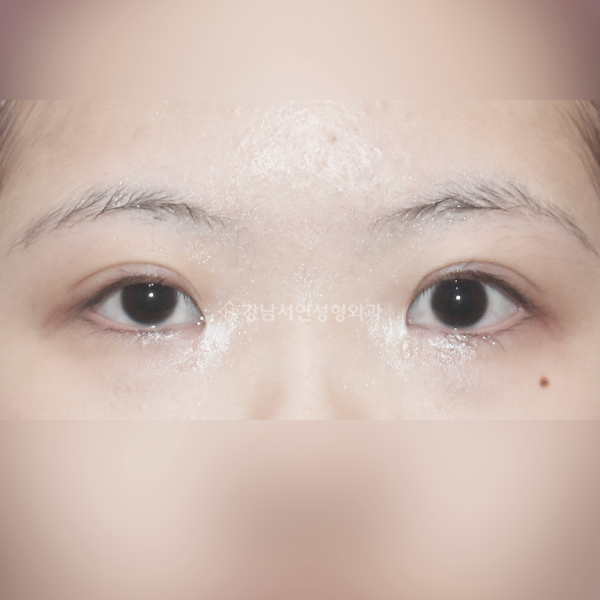
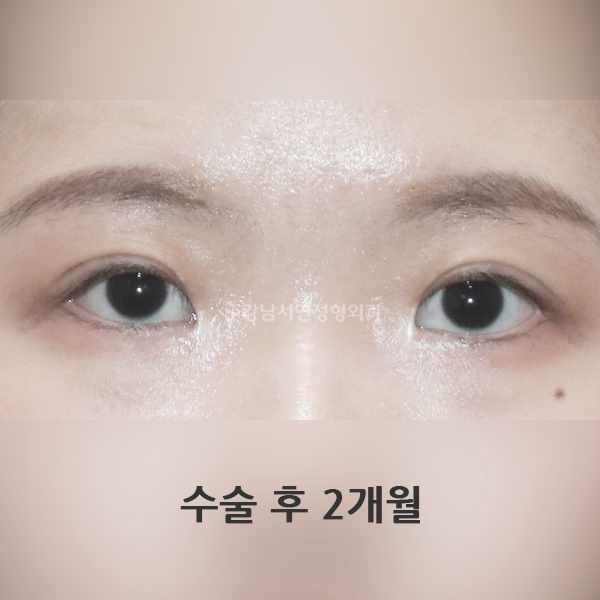
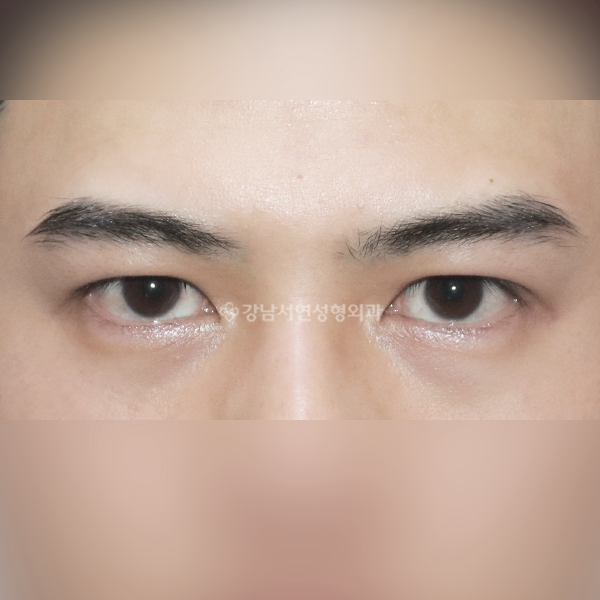
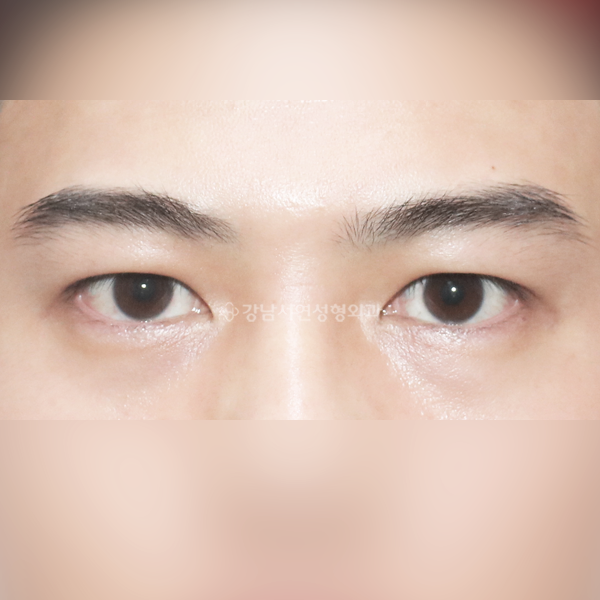
From surgery time to return to daily life at a glance.
5 cases suitable for Gangnam Seoyon's Asymmetric Eye Correction & Conjoint Fascia Sheath (CFS) Surgery.
Double eyelid line
Those who have it only on one side
Eye-opening power of both eyes
Those whose power is different
Due to incorrect eye surgery
Those with asymmetrical lines
Due to unilateral ptosis
Those with different eye sizes
Facial asymmetry
Those who have it
Dr. Choi Dong-il of Gangnam Seoyon has made numerous presentations on asymmetric eye correction at academic conferences.
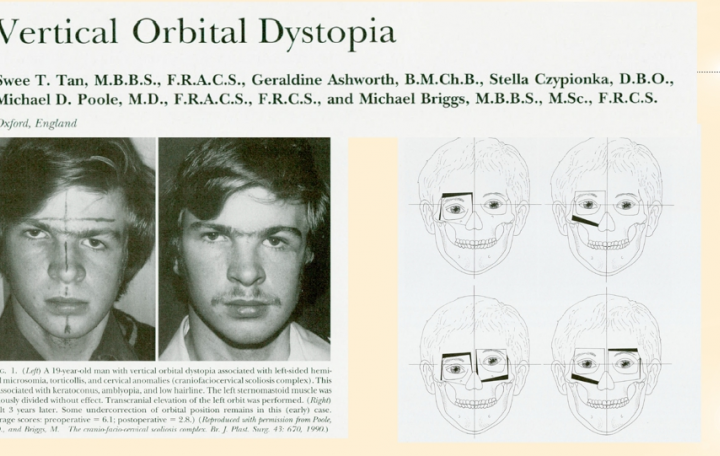
Making Asymmetrical Double Eyelids Symmetrical in Patients with Facial Asymmetry
When double eyelid lines are different + When pupil sizes are different — Case-by-case approach.
First make the lines identical and correct
When double eyelid shapes are different, first make the lines identical and correct them. To achieve symmetry, the line on the desired side can be raised or lowered, and techniques such as scar-preserving high fold correction are required during the process of lowering or raising the line.
A state where one line is higher or lower.
Result of matching both lines using techniques like scar-preserving high fold correction.
Matching symmetry through ptosis correction on the sleepy-looking side
When only one eye has ptosis, resulting in different degrees of pupil exposure, ptosis correction on the sleepy-looking sideis performed to correct them symmetrically.
A state where eye sizes look different due to less pupil exposure in one eye.
Result of matching symmetry through unilateral ptosis correction.
A high-difficulty surgery to improve severe ptosis
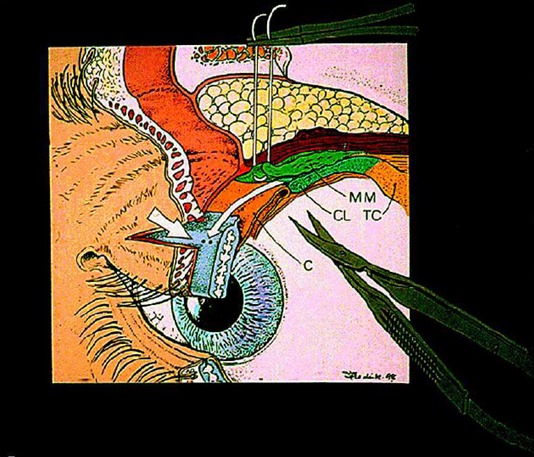
Conjoint fascia sheath (CFS)is used in this high-difficulty surgery to improve severe ptosis. Located behind the levator muscle and close to the superior rectus muscle, elastic ligament tissueis utilized.
Elastic ligament tissue located behind the levator muscle and close to the superior rectus muscle
— A schematic diagram excerpted from a paper.
It results in less severe lagophthalmos, making it comfortable to open and close the eyes.
Because the surgical technique is difficult, an experienced plastic surgeonmust perform it for safety.
Conjoint Fascia Sheath (CFS) surgery performed as early correction — Please refer to the unedited real video.
You can check the actual before and after of the Conjoint Fascia Sheath surgery performed as early correction in the video.
3 principles for safely completing high-difficulty surgical techniques.
Precise diagnosis by an experienced board-certified plastic surgeon
Customized design considering eye shape, condition, and the entire face
Minimization of tissue damage through thorough planning + delicate surgery
We explain key points to know before surgery through a video.
Ask anything about Asymmetric Eye Correction · Common Fascia.
Yes, it is possible. However, we first determine the exact cause to judge whether touching only one side will look natural, or if both sides need adjusting to achieve symmetry.
Conjoined fascia surgery is a highly difficult technique utilizing the elastic ligament tissue behind the levator muscle, resulting in less lagophthalmos and better outcomes for opening and closing the eyes.
First, a medical evaluation is required. If the disease is active, the timing of the surgery is determined after stabilization.
Stitch removal is in 4-12 days, and return to daily life is after 3-7 days. Major swelling subsides in 2-4 weeks, and natural results settle in at 3-6 months.
Yes, due to the possibility of asymmetry after surgery, early correction is sometimes used for rapid adjustment. The exact timing is determined through a 1:1 consultation.