Quickly during the 1-2 week golden time after surgery
"You don't have to wait 6 months. If you don't miss the 1-2 week golden time, you can achieve more natural results."
— Chief Director Choi Dong-il
The before and after photos shown are taken 6 months before and after surgery.
The before-and-after photos and videos shown here are published with the consent of patients who underwent surgery at our clinic, and are genuine, unretouched images. Any unauthorized use by other institutions will be subject to strict legal action.


From surgery time to returning to daily life at a glance.
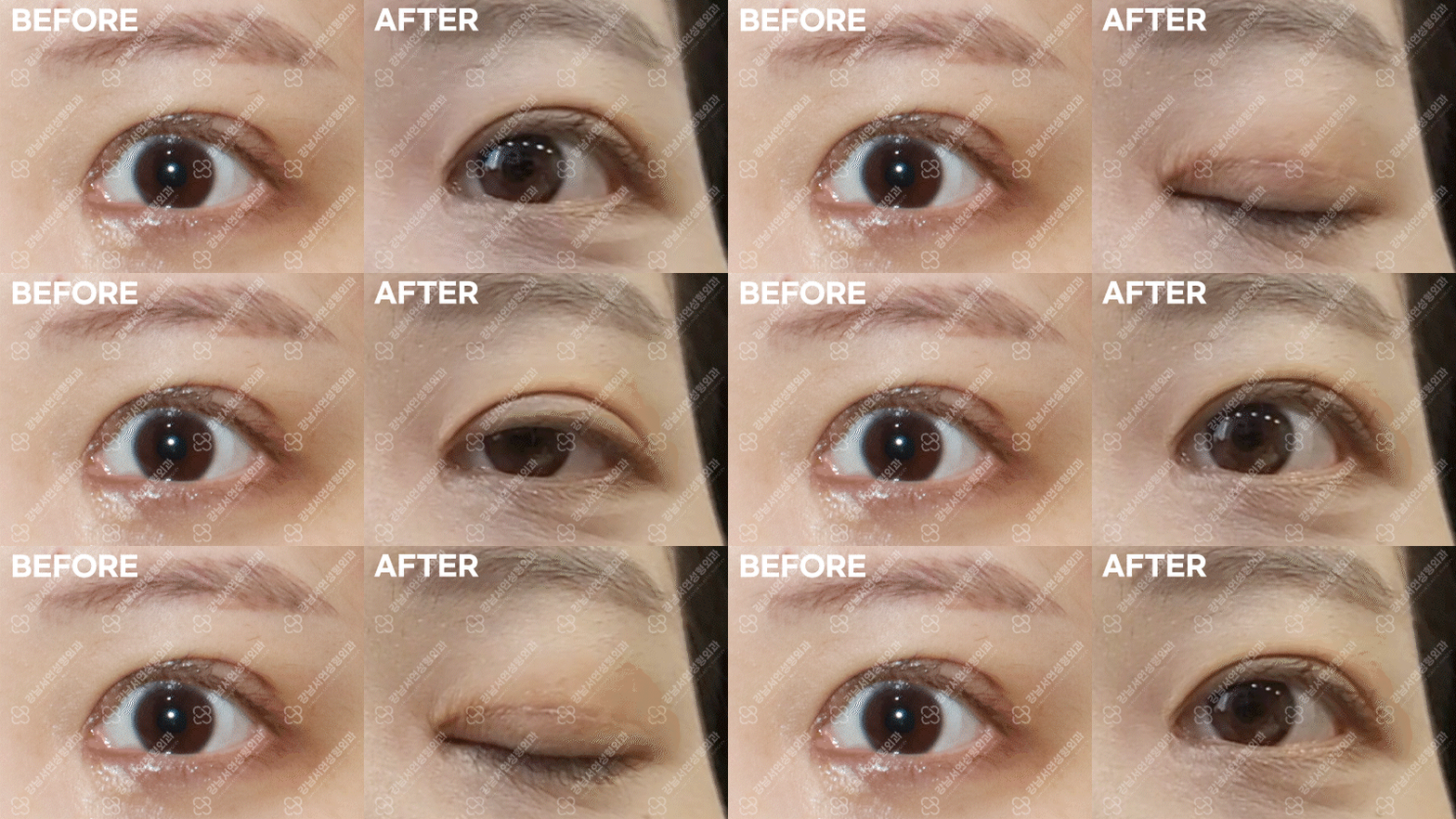
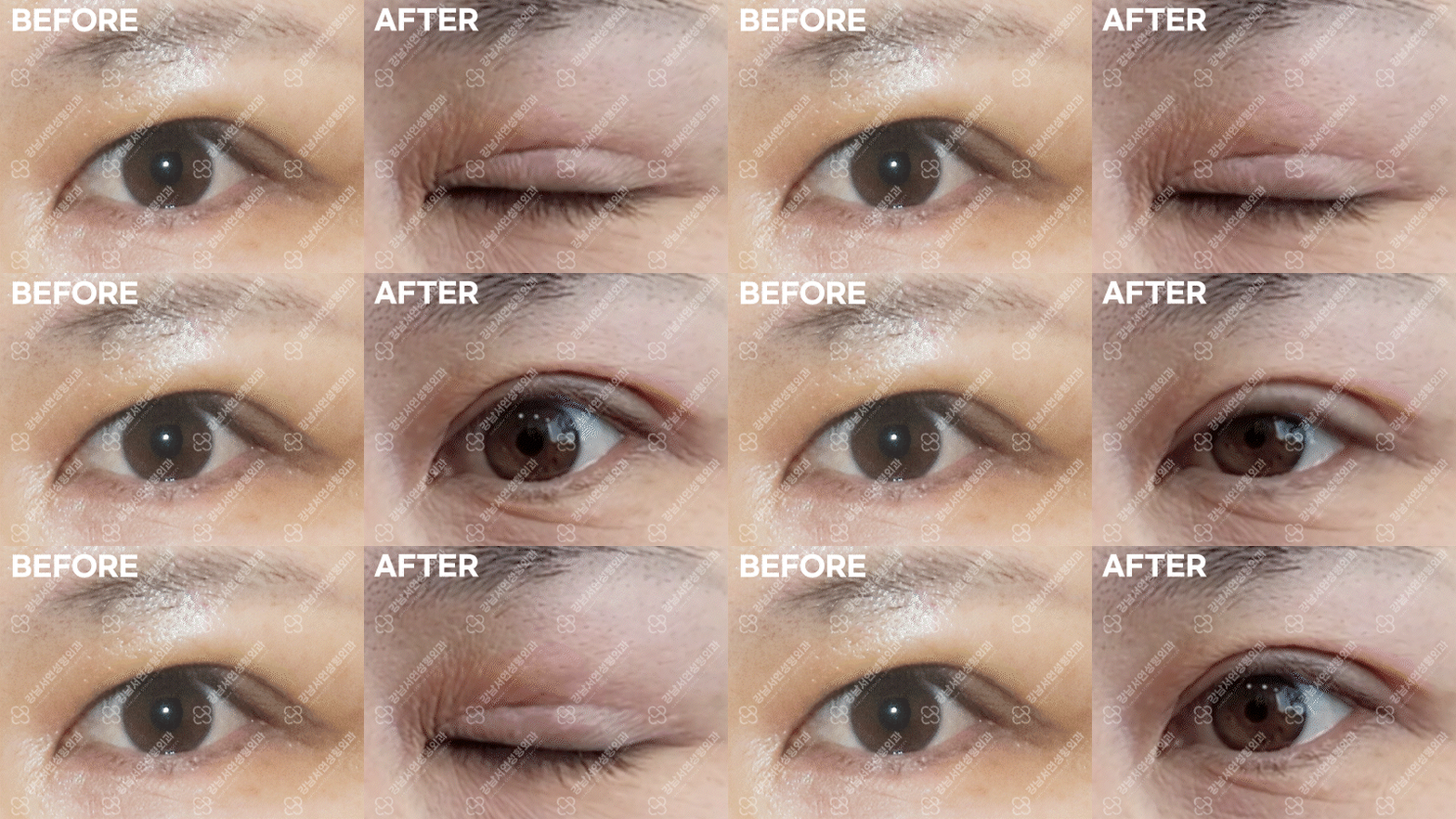
Real early correction cases, including results of surgery performed at other clinics.
There is no absolute number. However, the best time is 1-2 weeks after surgery, and Even up to 3 weeks there are cases where it is actively performed. However, if more than 3 weeks have passed since surgery, after 6 monthswe recommend re-correction. The timing is determined on a 1:1 basis by comprehensively evaluating swelling and tissue stability.
Recovery is fast and results are natural as it is before scars and adhesions settle.
Once the scar begins to harden, it is safe to proceed after 6 months.
Early correction is not surgery to create a new shape. It is surgery to resolve discomfort first.
The crease and design are refined after 6 months
If a new incision is made above or below the incision from the first surgery before it has healed, the circulation of blood and air to the skin between the two lines is cut off, putting the tissue at risk of necrosis. For this reason, the crease is changed only after 6 months, once the original incision has healed and blood supply has recovered.
Multiple upper eyelid creases are treated without a new incision, by reopening the existing crease and releasing the incorrect adhesions, so they can be addressed even at the early correction stage. Even then, however, the goal is not to refine the crease but to eliminate the discomfort caused by the multiple upper eyelid creases.
Dr. Choi Dong-il, now in year 23 of clinical practice, presented on early correction at plastic surgery society meetings in 2021 and 2023.
"Early and Late Correction in Double Eyelid Revision"
"Early Correction in Double Eyelid Revision"
From timing guides to conference lecture excerpts, we explain the core of early correction through video.
Cases suitable for Gangnam Seoyon's early double eyelid re-correction.
When ptosis correction fails and
eye sizes are asymmetrical
Ptosis correction
Under-correction
Ptosis correction
Over-correction
When adhesions form incorrectly and
multiple upper eyelid creases are severe
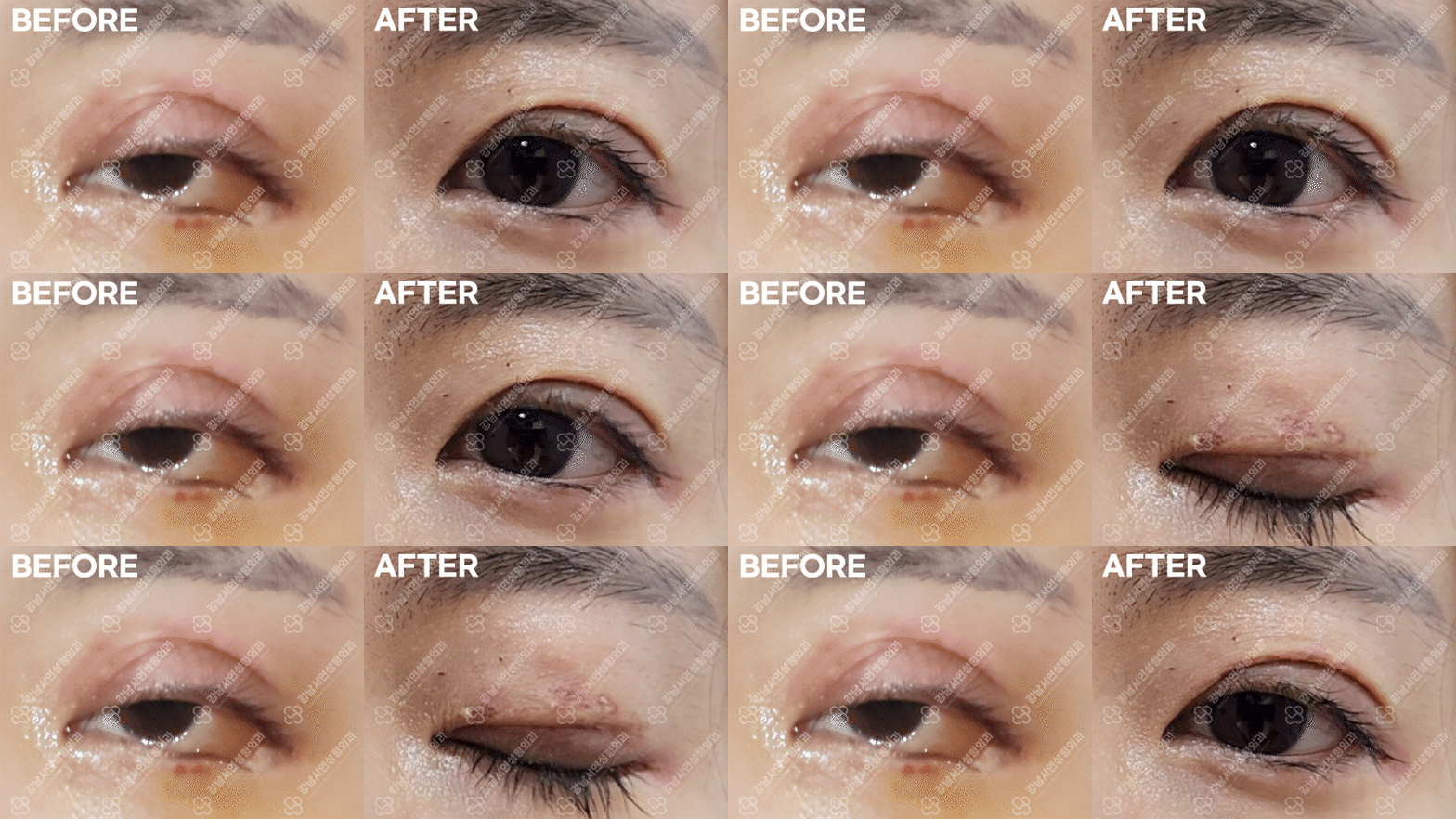
Real case of early correction for triple folds after failed scar-preserving high fold correction at another clinic. Please refer to the unedited video.
1-month result video of early correction resolving multiple upper eyelid creases caused by a scar-preserving high fold correction at another clinic.
3 fast and safe principles to not miss the golden time.
Precise diagnosis by an experienced board-certified plastic surgeon
Customized design considering eye shape, condition, and overall face
Minimized tissue damage through thorough planning + delicate surgery
We explain key points good to know before surgery through video.
Ask anything about Early Double Eyelid Revision.
The best time is 1-2 weeks post-op, and up to 3 weeks if actively pursued. However, if it has been over 3 weeks, we recommend waiting 6 months.
Recovery is fast and results are natural as it is performed before scars and adhesions settle. The surgical burden is also lighter as the tissue is soft.
It is determined differently for each patient by diagnosing swelling and tissue stability. It is decided based on your recovery speed during a 1:1 consultation.
Rather, resolving it before it stabilizes reduces the burden of scarring. This is because the tissue can be handled precisely while it is soft.
Yes, double eyelid and ptosis correction results from other clinics are also eligible for early correction. However, we first diagnose the method used in the previous surgery and the condition of the tissue before determining the scope of correction, and the timing varies depending on how recovery has progressed since the first surgery.
It is performed under sedation or local anesthesia, and pain during surgery is not significant. Swelling or a heavy sensation may occur during recovery, but these usually ease with time. The degree of pain varies from person to person.
Sutures are removed after 4-12 days, and washing your face and light daily activities are usually possible after 3-7 days. Initial swelling subsides over 1-2 weeks, after which a natural shape gradually settles. Recovery speed varies from person to person.
Early correction resolves the issue while the tissue is still soft, before scars and adhesions harden, whereas revision surgery after 6 months is performed once the scarring has stabilized. If more than 3 weeks have passed since surgery and the tissue has begun to firm up, we recommend correction after 6 months.
This is difficult. If a new incision is made above or below the original incision before it has healed, the circulation of blood and air to the skin between the two lines is cut off, creating a risk of necrosis. The crease is changed after 6 months, once the original incision has healed.
In many cases, yes. The existing crease is reopened to release the incorrect adhesions, so no new incision is needed. However, the goal is not to refine the crease but to eliminate the discomfort caused by the multiple upper eyelid creases.
Right after surgery, swelling often makes the crease look thick or asymmetric, so it is difficult to judge on your own. Since 1-2 weeks is the best time for early correction, if you are concerned, we recommend getting a diagnosis from a board-certified plastic surgeon promptly rather than waiting.