Over-elevated eyes into a natural look
"Simply removing the suture is not eyelid retraction surgery. It is a highly difficult technique that requires recessing the levator muscle and separating the Müller's muscle."
— Dr. Choi Dong-il, Chief Surgeon
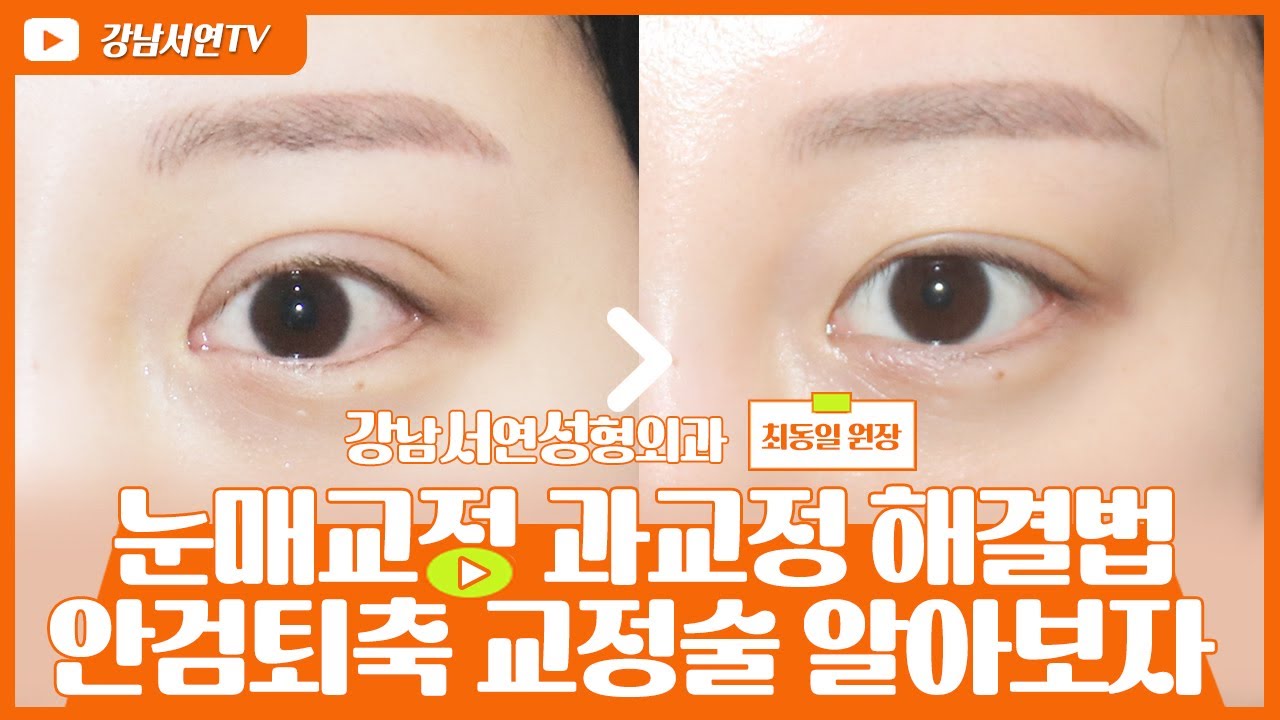
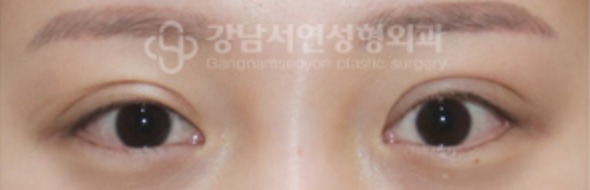
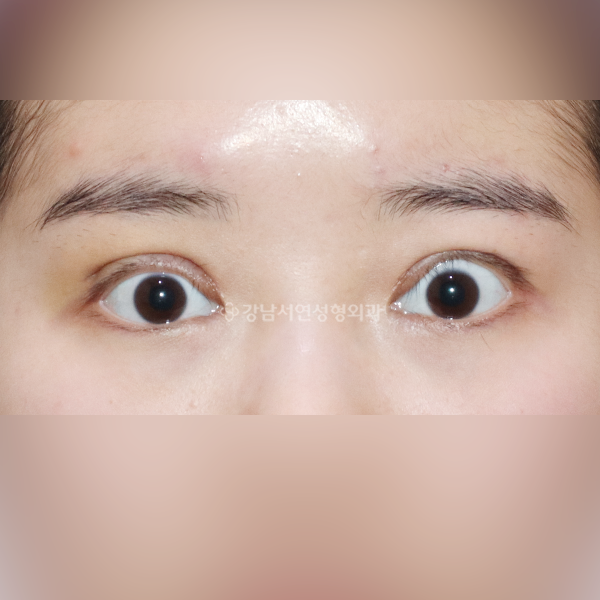
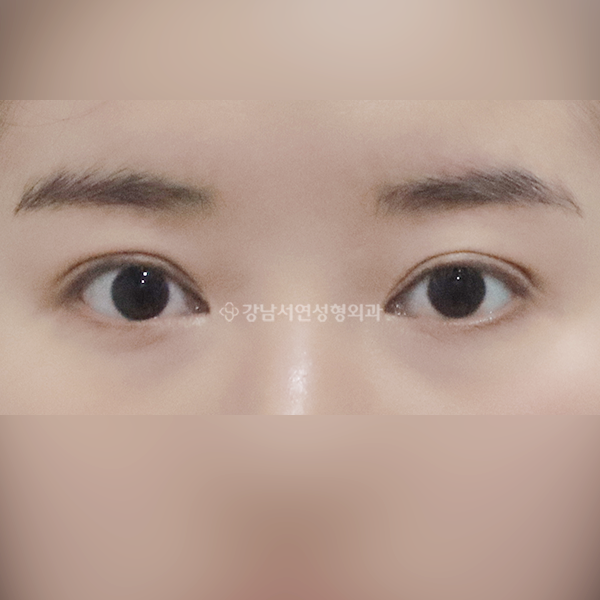
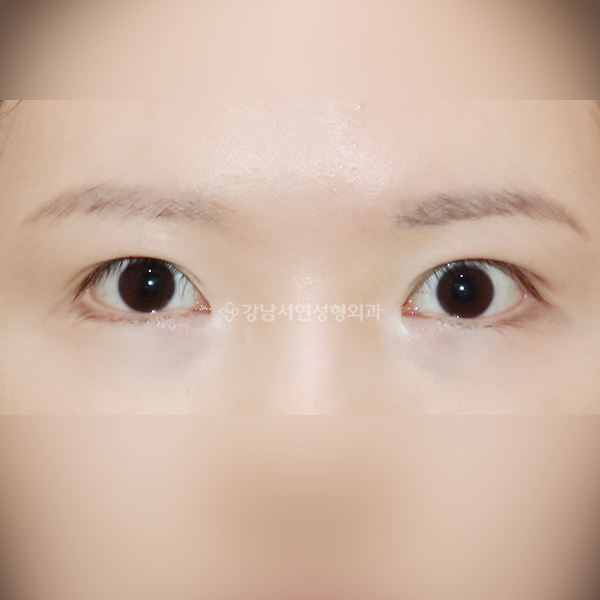
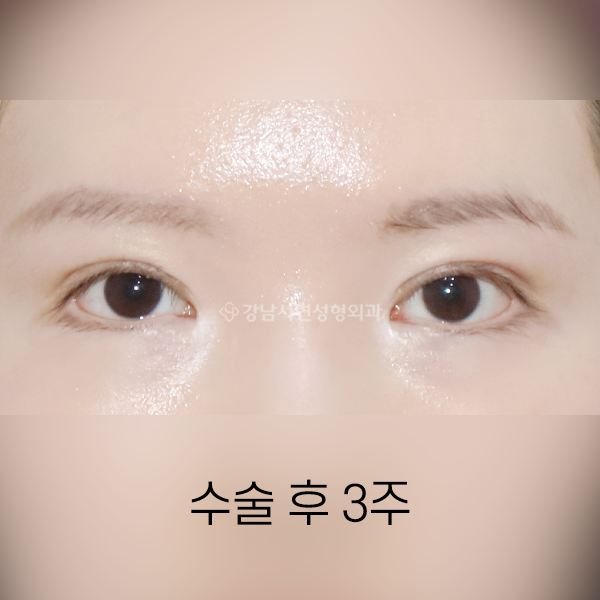
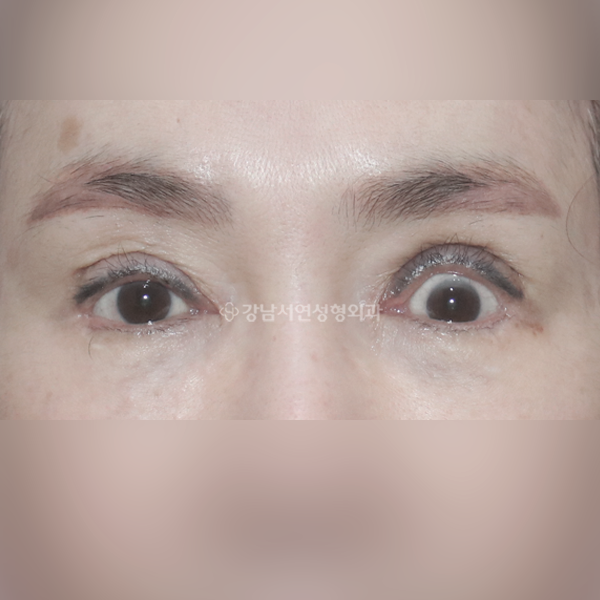
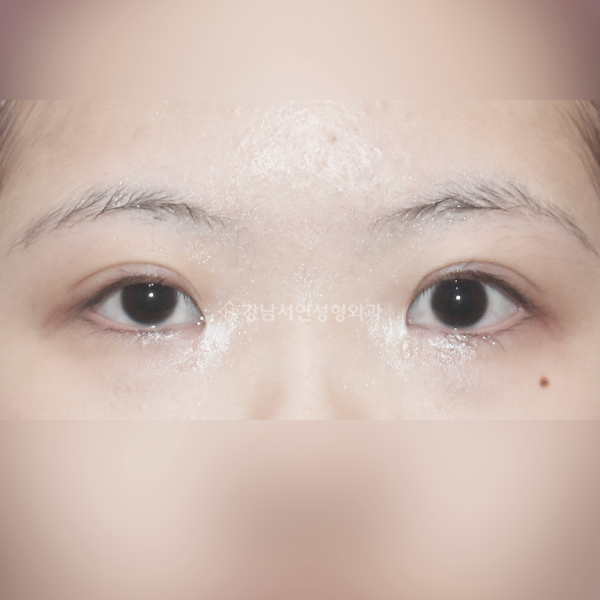
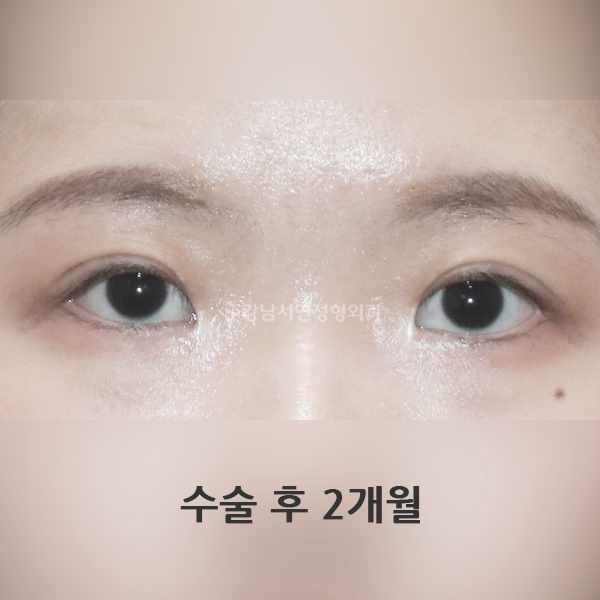
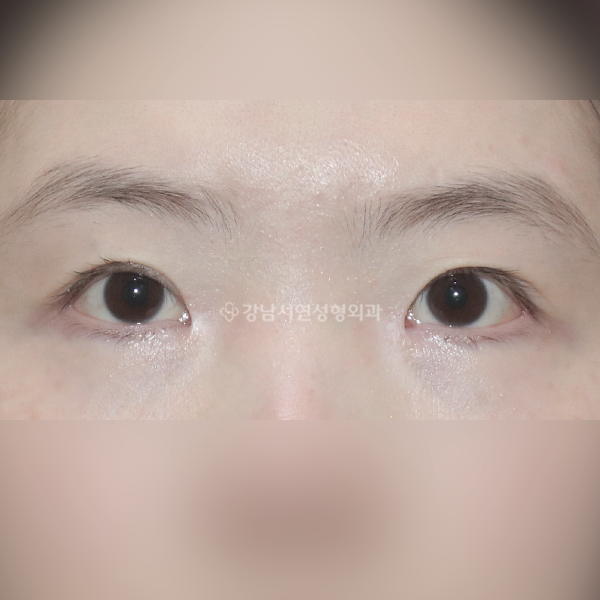
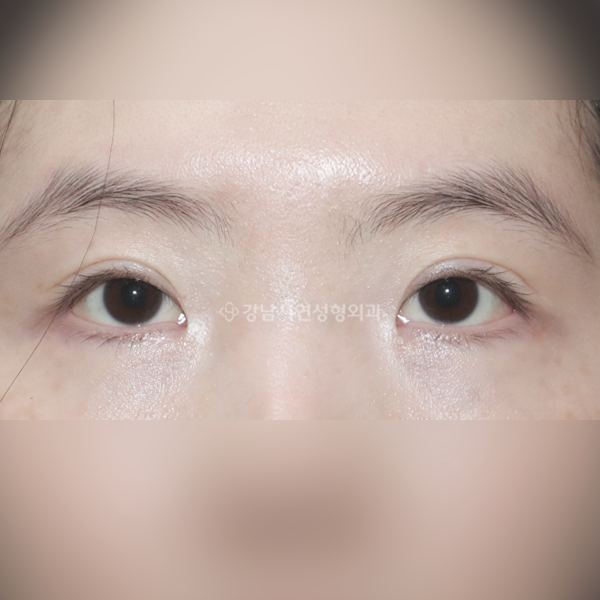
Actual patient progress — before surgery · 1 week after · 9 months after.
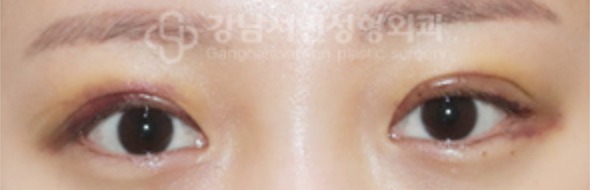
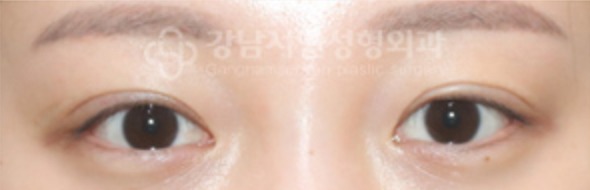
We explain the side effects of overcorrected eye-shape surgery and eyelid retraction surgery through video.
The before and after photos shown are taken 6 months before and after surgery.
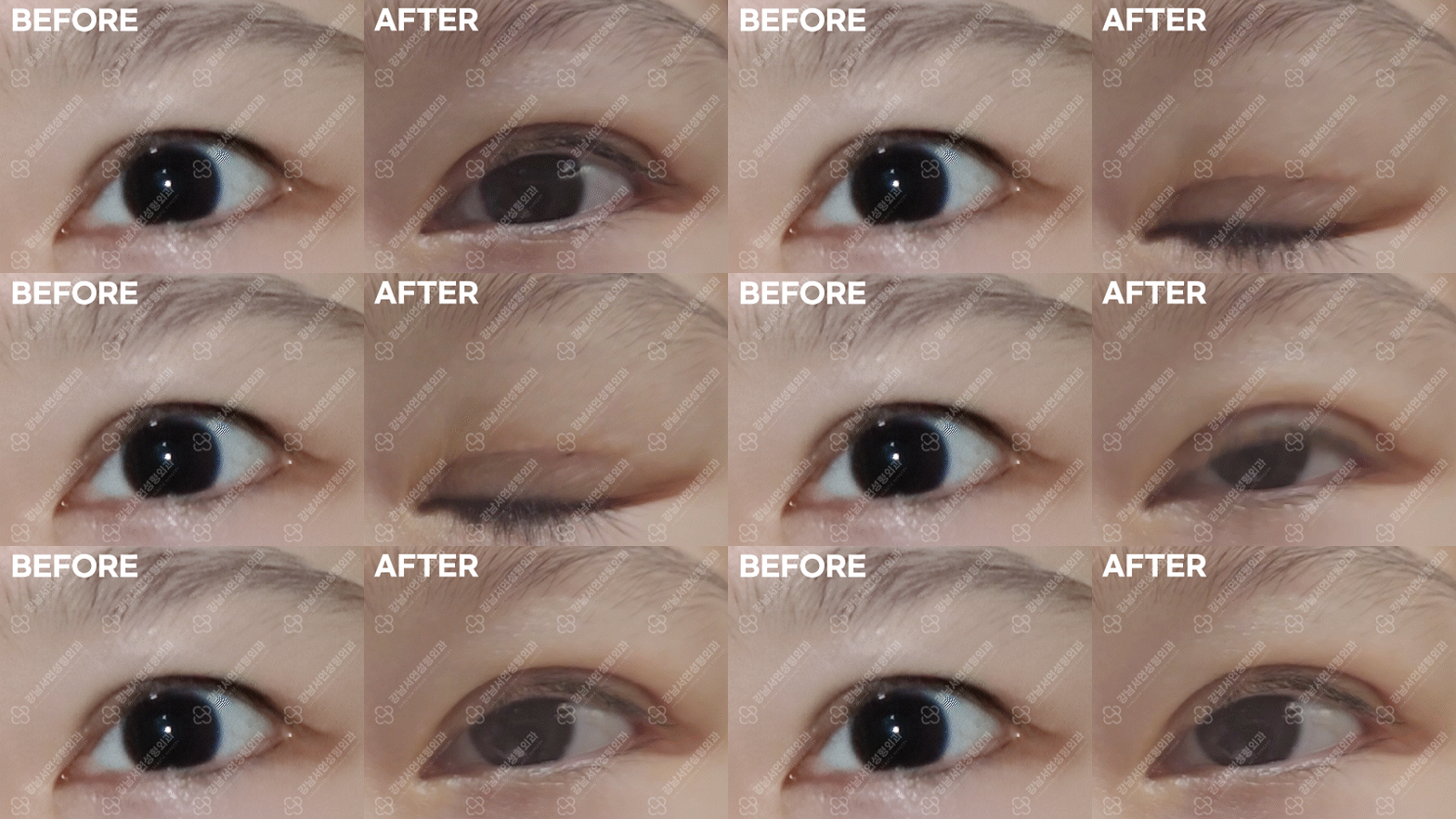
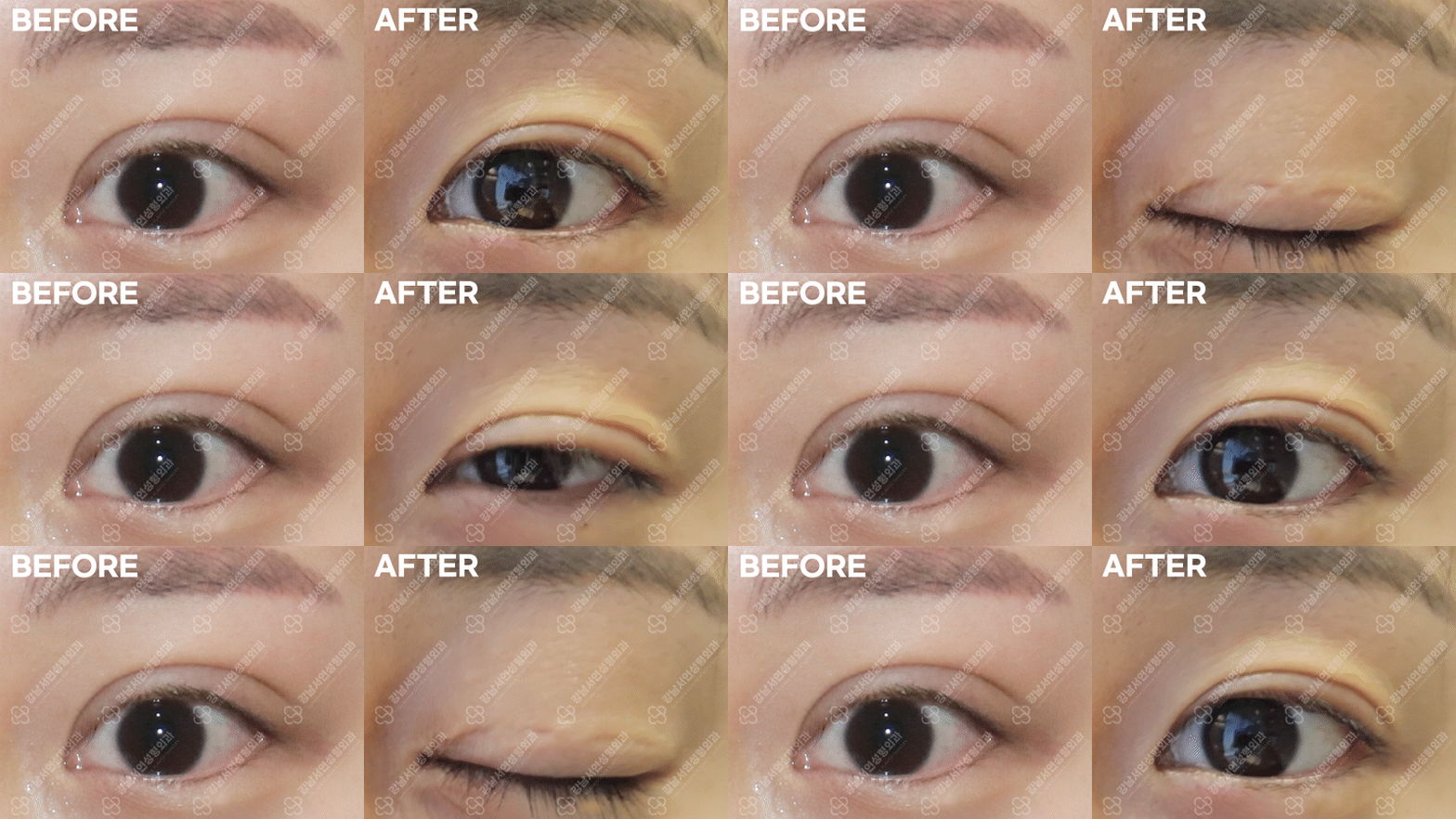
The before-and-after photos and videos shown here are published with the consent of patients who underwent surgery at our clinic, and are genuine, unretouched images. Any unauthorized use by other institutions will be subject to strict legal action.
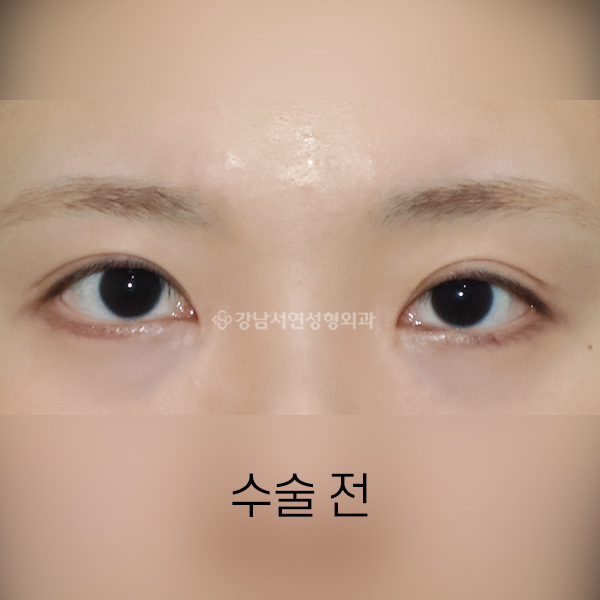
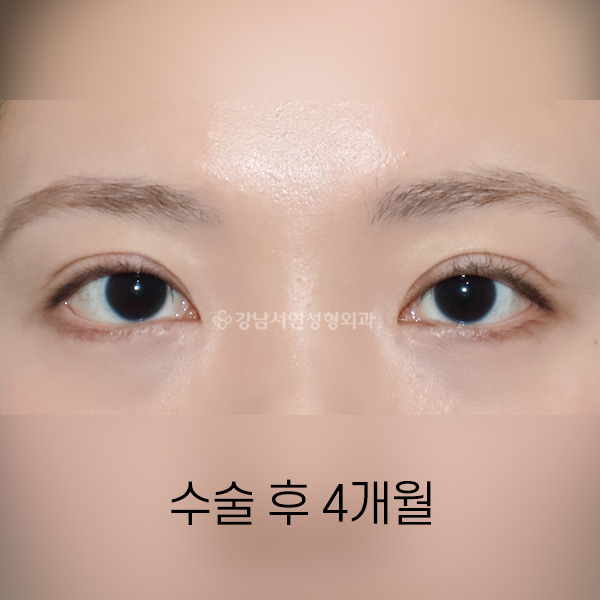
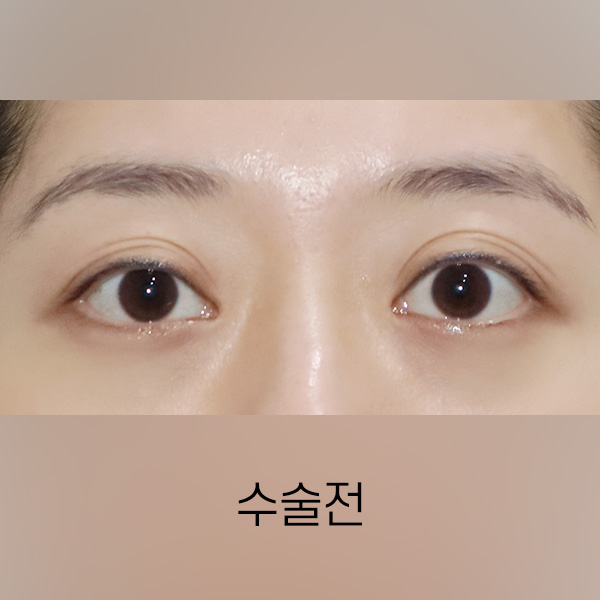
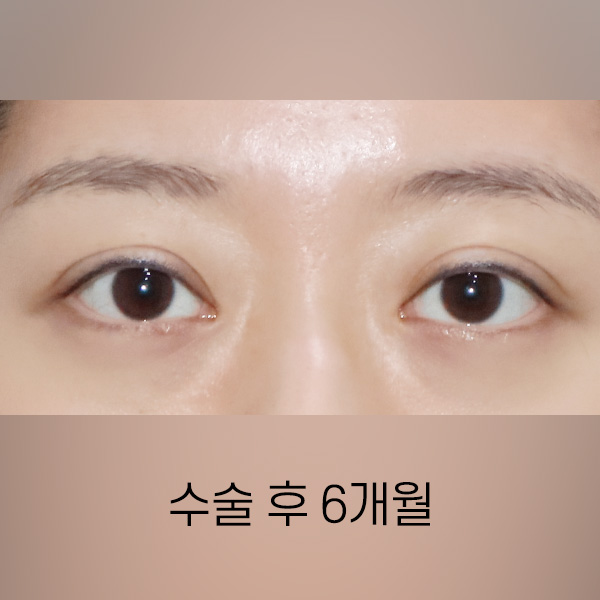
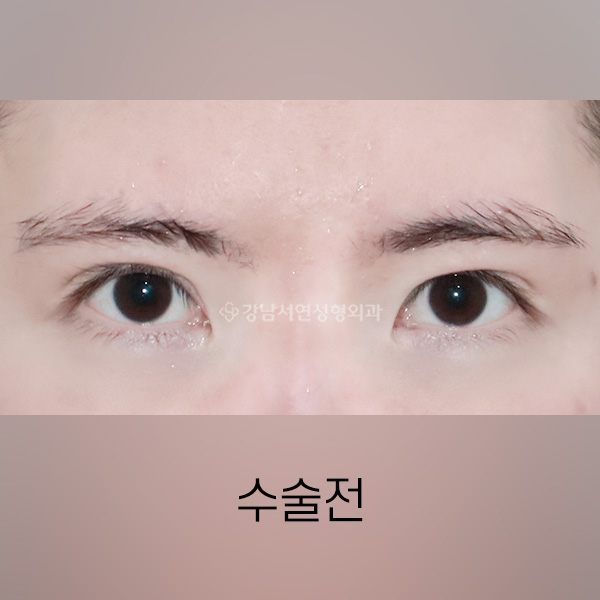
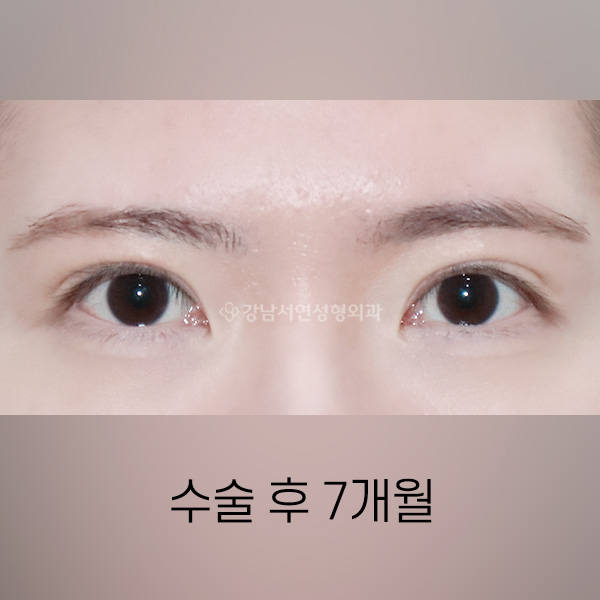
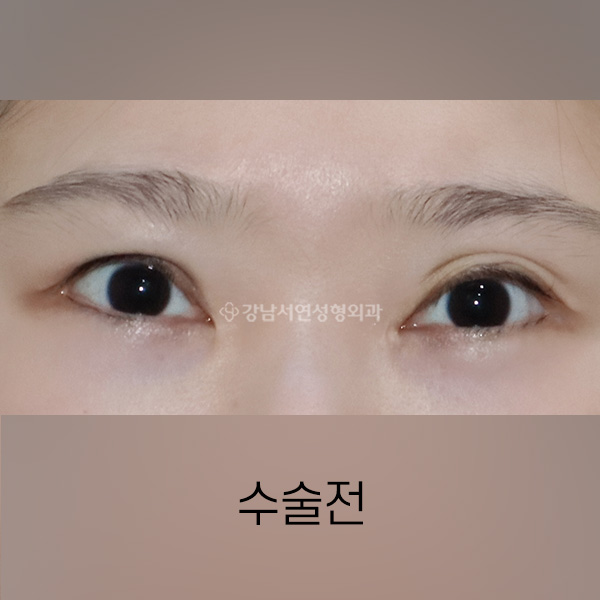
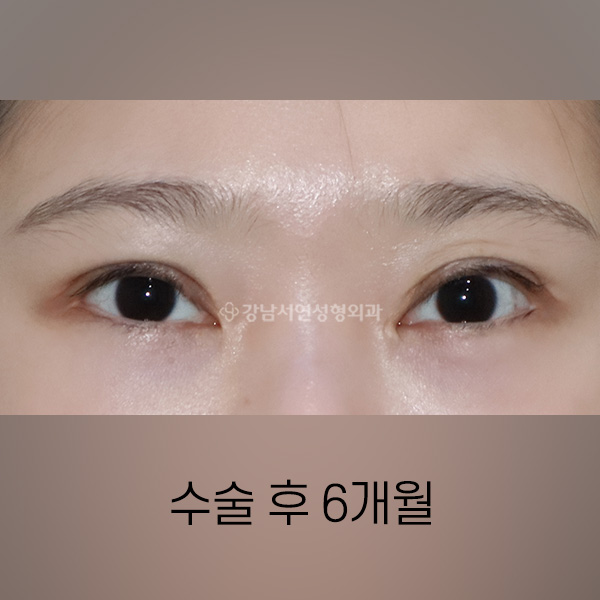
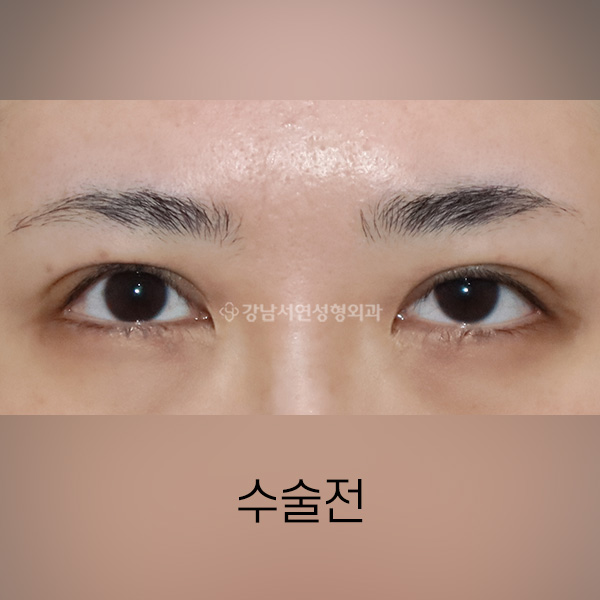
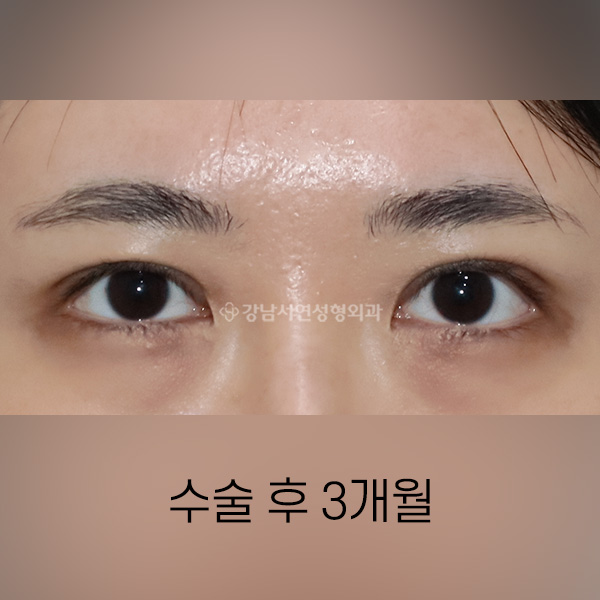
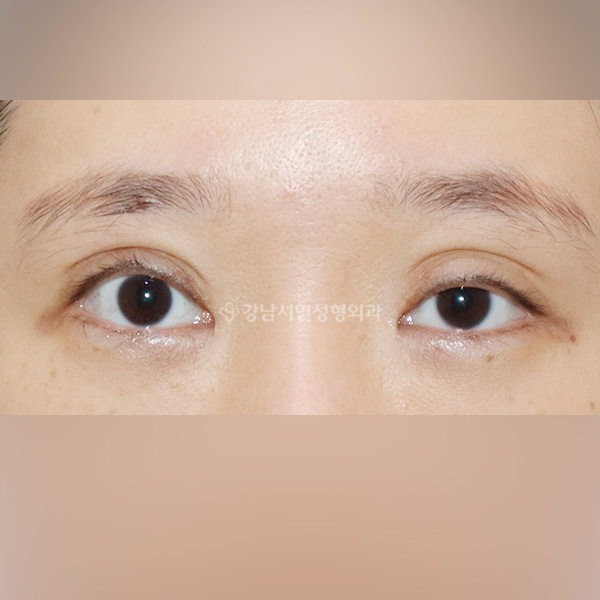
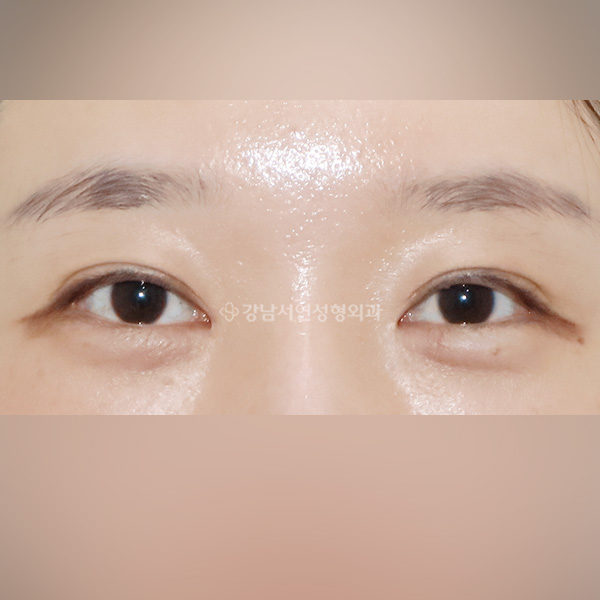
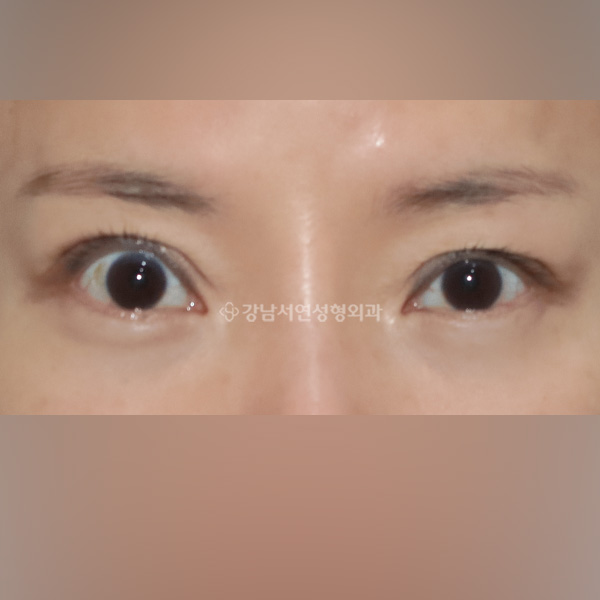
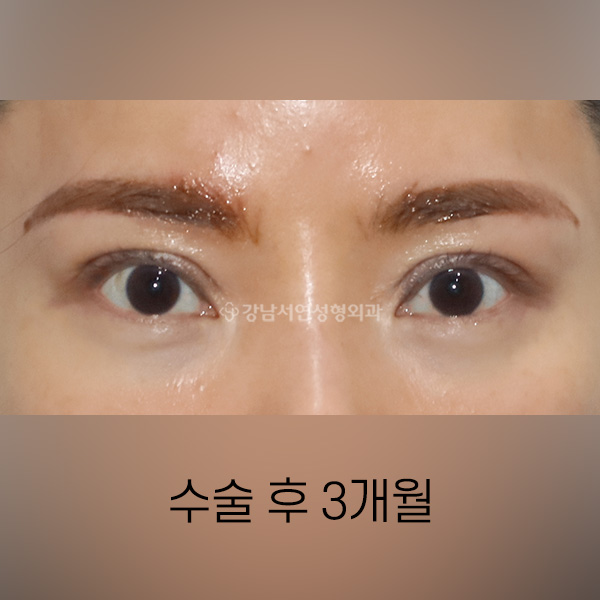
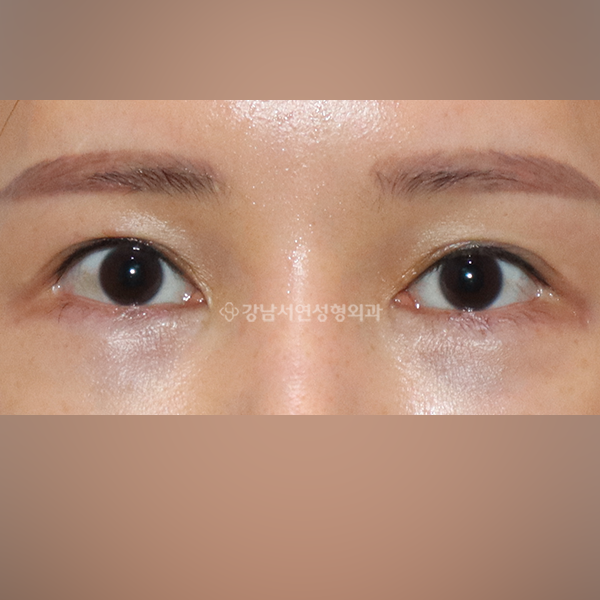
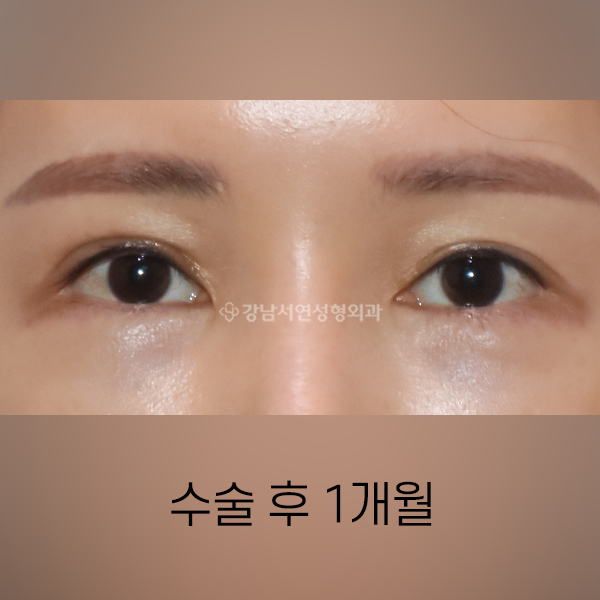
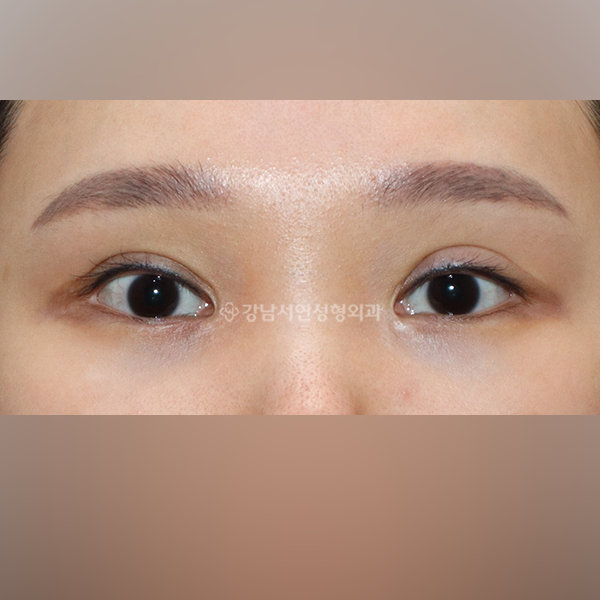
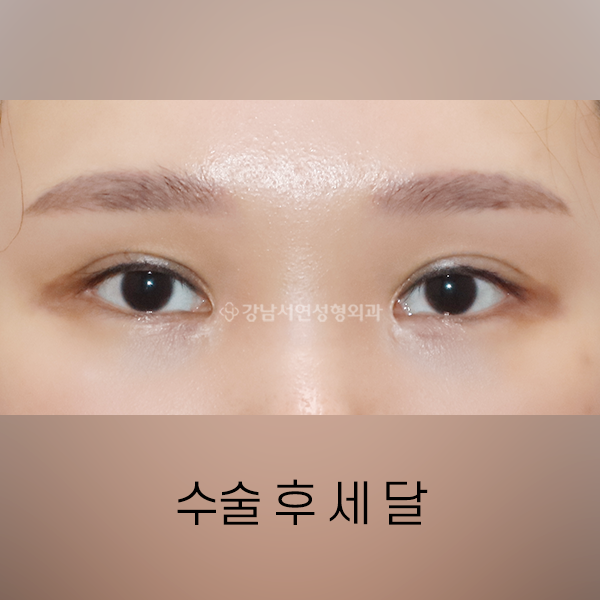
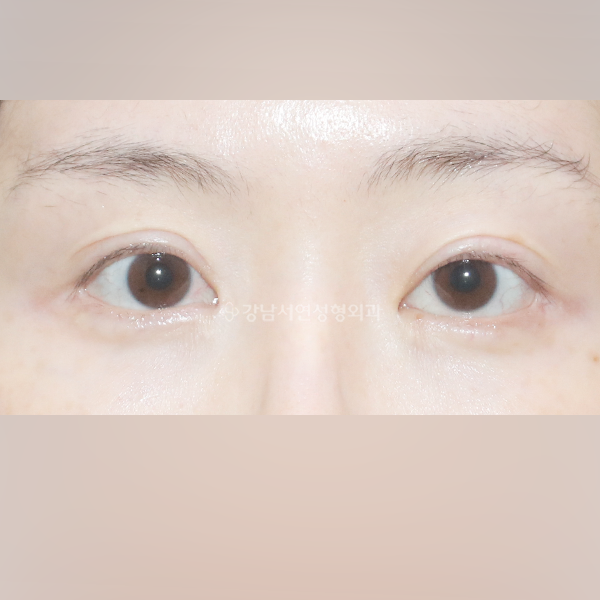
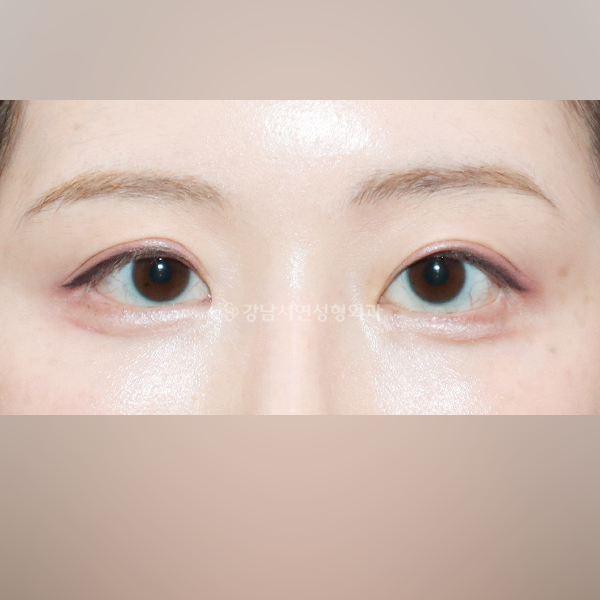
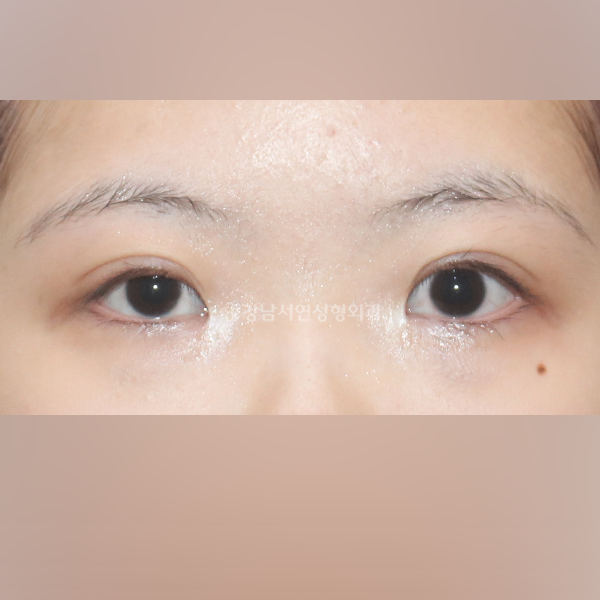
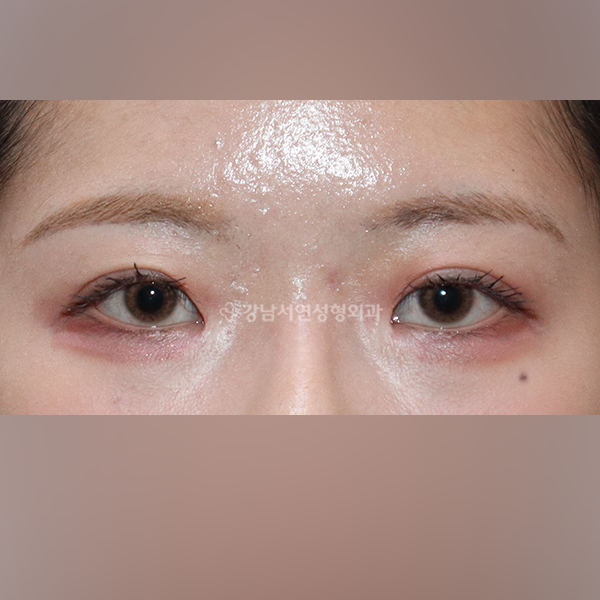
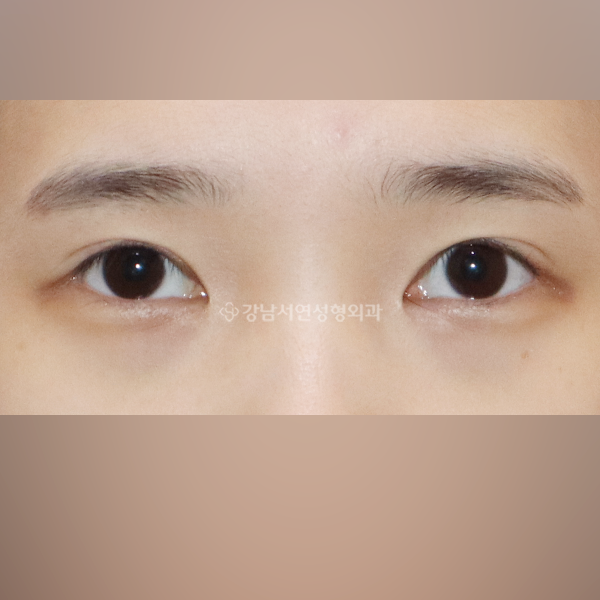
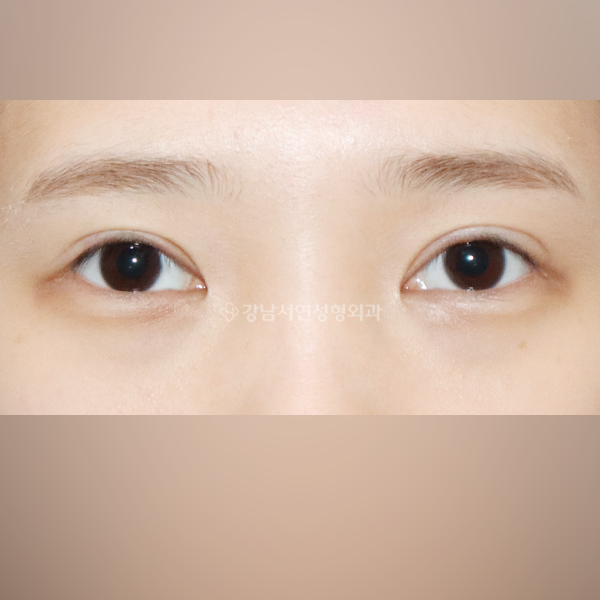
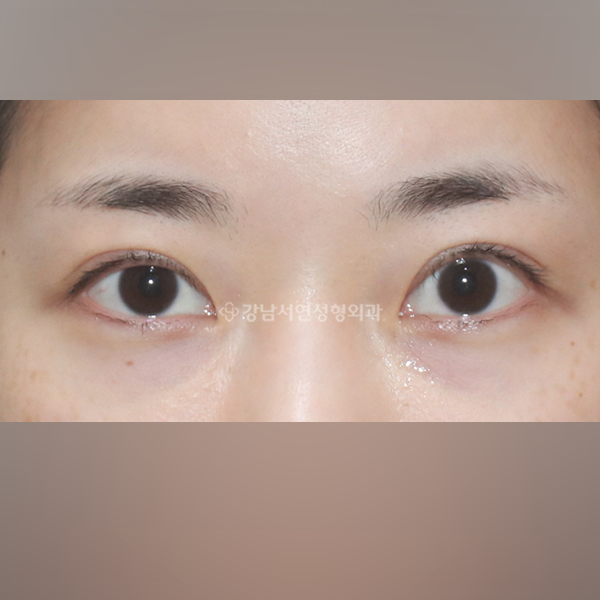
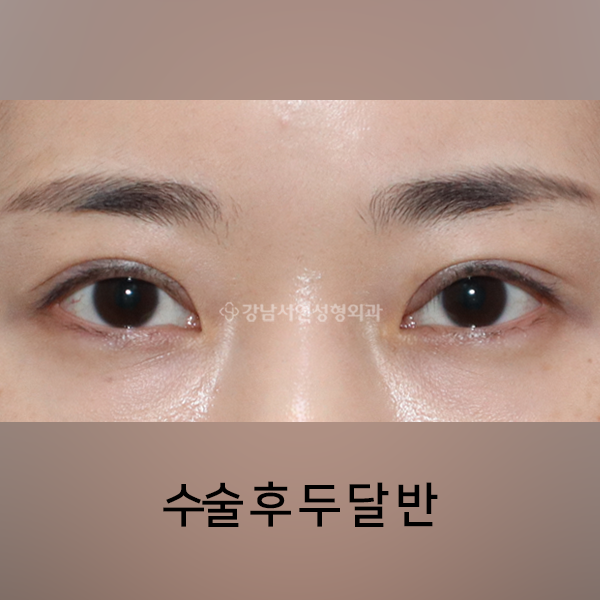
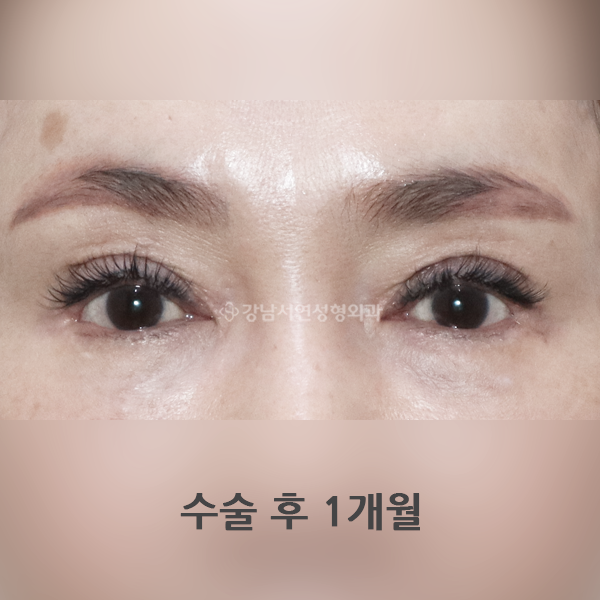
From surgery time to return to daily life at a glance.
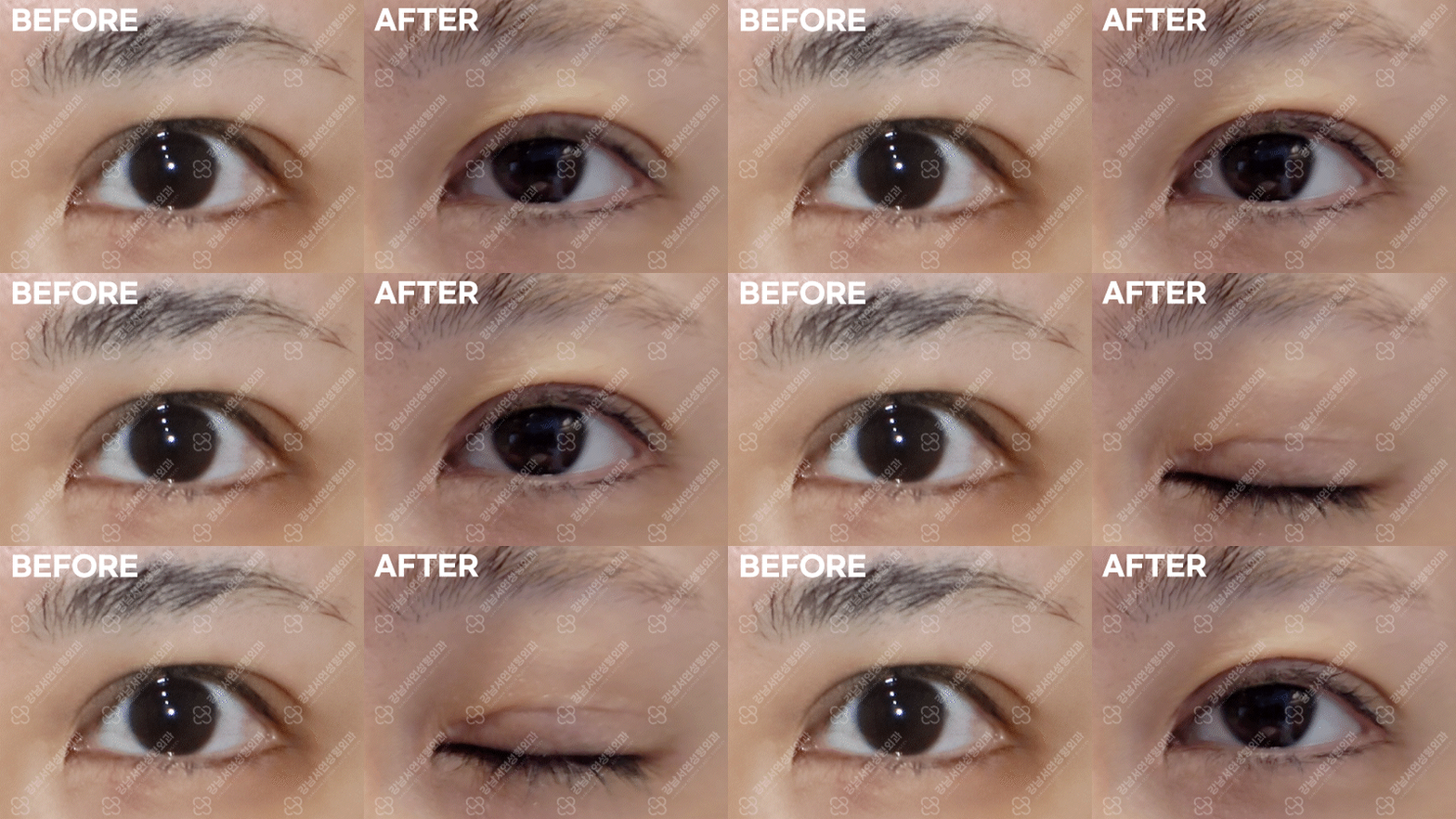
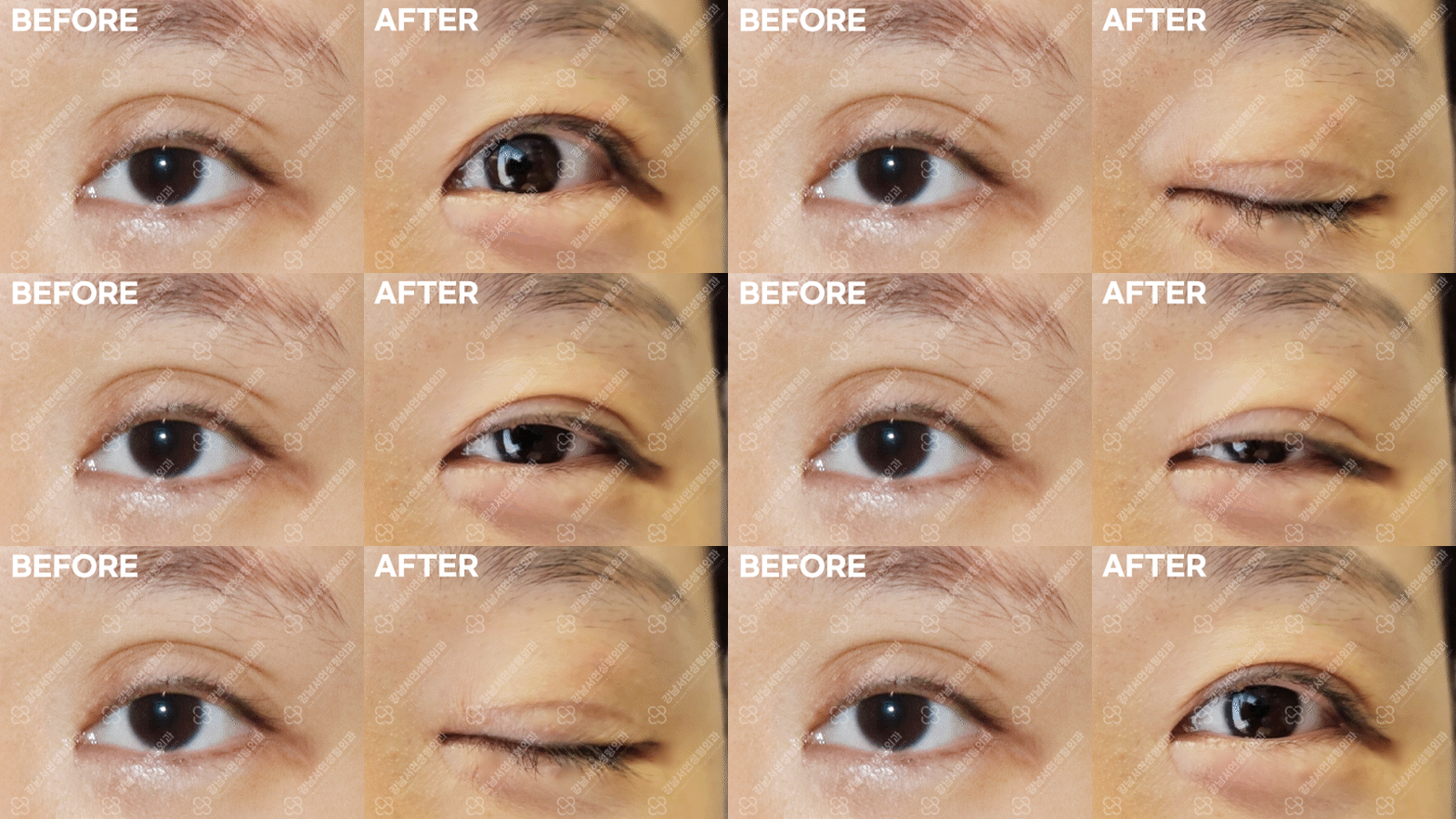
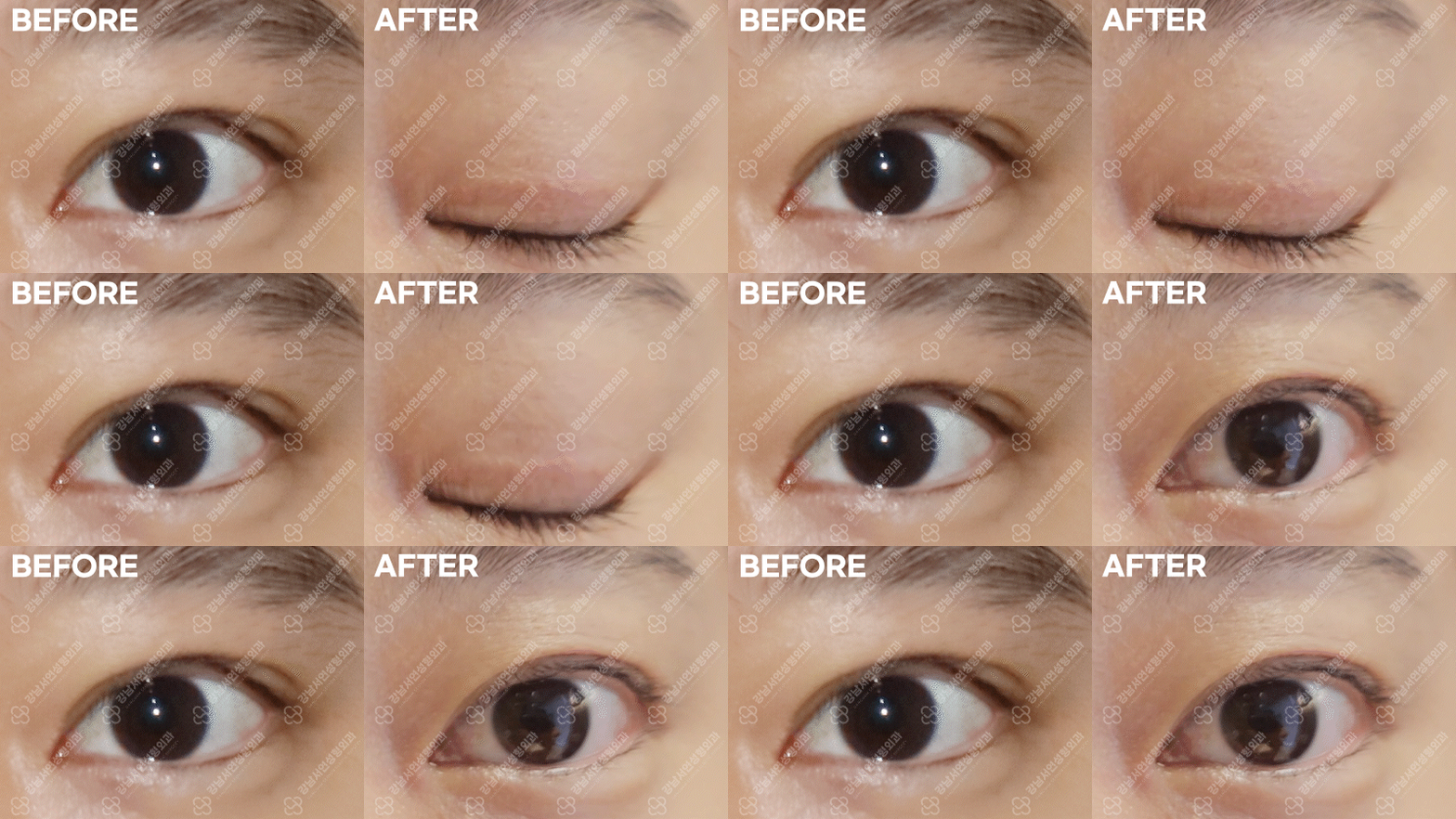
It mostly occurs from overcorrection during previous ptosis correction surgery.
It can be caused by diseases such as hyperthyroidism. In this case, medical diagnosisis also required.
Most cases when previous ptosis correction surgery was excessively performed, leading to clinic visits. It cannot be resolved simply by removing the threads.
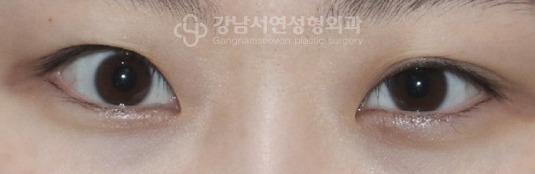
An eye that is excessively lifted and opened due to surgery.
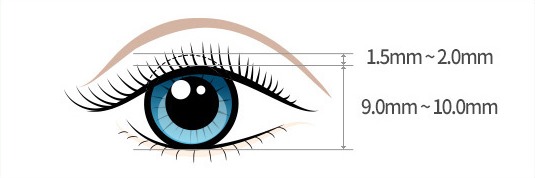
An eye where the upper eyelid covers about 1.5~2mm of the iris.
Suitable cases for Gangnam Seoyon's eyelid retraction surgery.
Excessively like a surprised eye
Those concerned about a wide-open impression
After previous ptosis correction
Those experiencing discomfort due to overcorrection
Due to mucosal eversion
Those feeling a foreign sensation
Severe asymmetry
Those needing unilateral correction
Immediately after surgery vs. months later — Approaches differ depending on the timing.
Retraction after several months cannot be resolved by simple thread removal
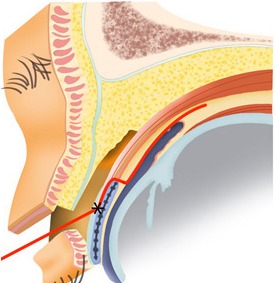
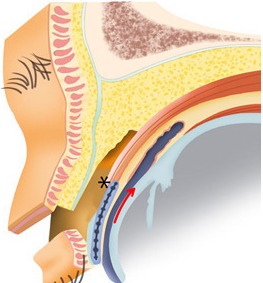
Immediately after surgery, removing the ptosis correction threads will lower the eyelid right away. However, after several months, simply removing the threads and adhesions will not resolve it. While recessing the eye-opening muscle, separating the conjunctiva and Müller's muscle (the eye-opening muscle attached to the conjunctiva)is a highly difficult surgery that must be performed.
Reduces the degree of over-opening by recessing the eye-opening muscle by an exact amount.
Müller's muscle attached to the conjunctiva must be precisely separated to ensure natural results and prevent asymmetry.
"Eyelid Retraction Surgery Presentation"
Occasionally, patients visit saying their ptosis correction adhesions were released at another clinic. This is not eyelid retraction surgery, and removing the threads does not correct eyelid retraction. This is a highly difficult surgery that only an experienced board-certified plastic surgeon can perform. Simply imitating it makes it hard to achieve good results and can easily cause asymmetry. Early correctionmay be necessary, and good teamwork with the surgeon is required.
3 principles for safely completing highly difficult surgical techniques.
Precise diagnosis by an experienced board-certified plastic surgeon
Customized design considering eye shape, condition, and overall face
Thorough planning + delicate surgery to minimize tissue damage
We explain key points to know before surgery through a video.
Ask anything about Eyelid Retraction Surgery.
It is possible immediately after surgery, but after several months, it cannot be resolved by simple thread removal. It is a highly difficult technique requiring both levator recession and Müller's muscle separation.
It may be necessary. If the result is judged as overcorrection immediately after surgery, adjusting it quickly is beneficial for the outcome. The exact timing is determined through a 1:1 consultation.
Yes, it is possible. If the asymmetry originates from one side, accurately correcting only that side can yield a more natural result.
An internal medicine evaluation is required first. If the disease is active, it is safer to schedule the surgery after stabilization.
Stitch removal takes 4~12 days, and return to daily life is possible after 3~7 days. Major swelling subsides in 2~4 weeks, and natural results settle in 3~6 months.