
The first question patients face when they begin looking into double eyelid surgery is, "Which one is right for me, the non-incisional (buried suture) method or the incisional method?" Let me give you the conclusion first: the criterion for choosing between them is not price but the condition of the eyelid (skin thickness, fat volume, degree of lid droop). Rather than simply favouring the non-incisional method because recovery is quicker, or automatically choosing the incisional method because the result lasts longer, it is important to first understand the condition of your own eyelids.
In this article I have set out the fundamental difference between the non-incisional and incisional methods, the eyelid types each one suits, and the criteria to check before your first eyelid surgery consultation.
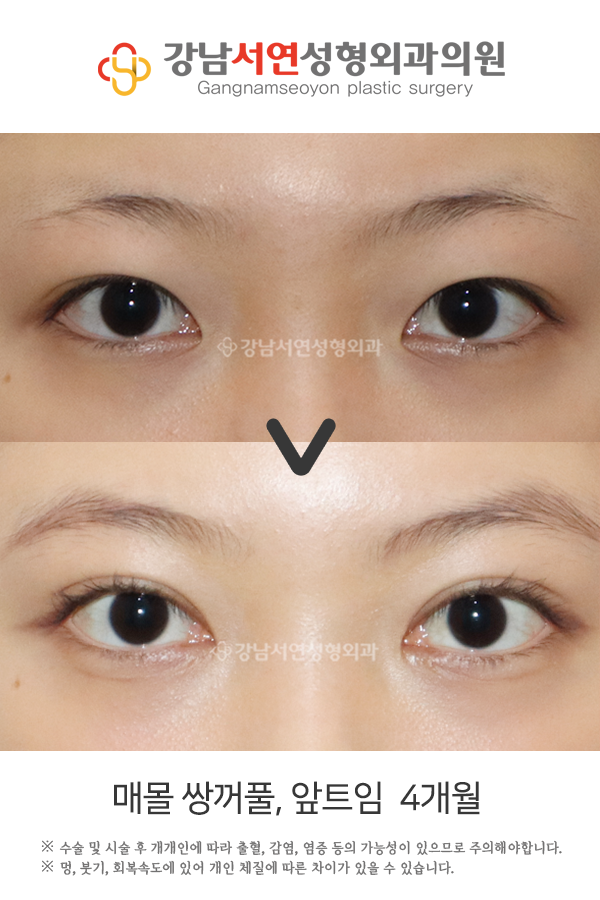
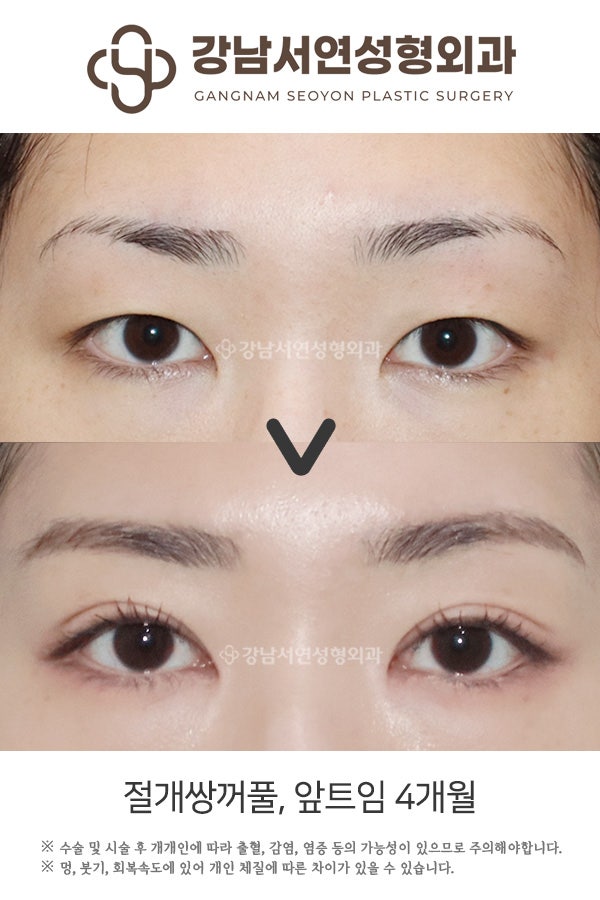
■ What fundamentally separates the non-incisional and incisional methods
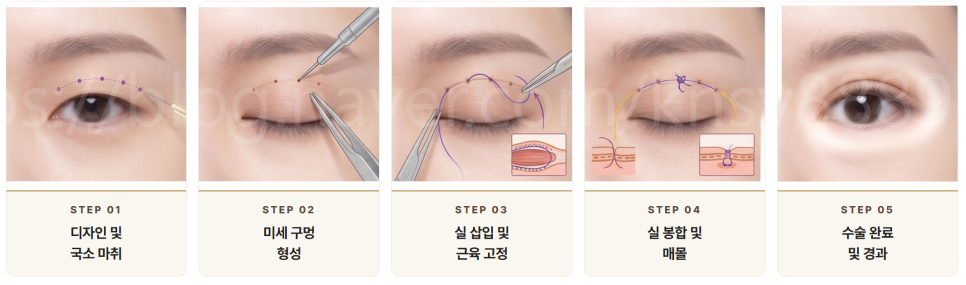
In the non-incisional method, no incision is made in the eyelid skin; instead, a fine suture is used to connect the skin to the levator muscle and form the double eyelid crease. Because there is no incision site, swelling and scarring are less of a burden and the recovery period is relatively short.
In the incisional method, the eyelid is opened so that redundant skin and fat can be removed directly and the crease designed. When ptosis correction, fat removal and improvement of sagging are all needed at the same time, the incisional method is the definitive solution.
The difference between the two methods is not simply whether or not an incision is made, but whether the skin and fat tissue can be addressed directly. That difference determines how durable the result is and the range of eyelid conditions each method can treat.
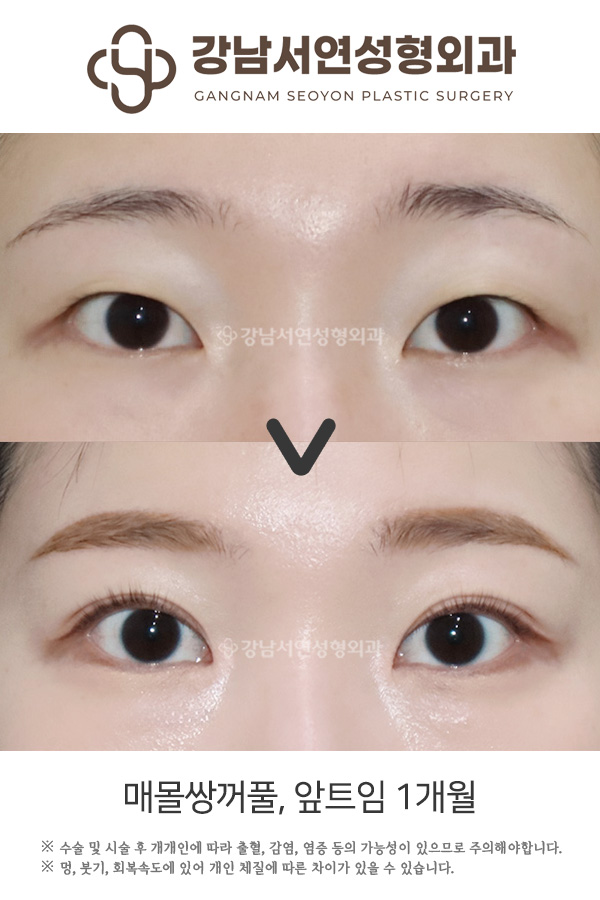
■ When the non-incisional method is appropriate
- The eyelid skin is thin and there is little to no sagging
- Fat is not excessive, so no separate fat removal is needed
- You have a monolid or an inner (hidden) fold and want only a natural crease added
- You are a first-time eyelid surgery patient who wants to keep the recovery period to a minimum
Because the non-incisional method involves no incision site, it suits patients who want to preserve the original shape of the eye as far as possible and simply form a crease. However, if the skin is thick or there is sagging, the crease is more likely to loosen or become asymmetric, and in those cases I recommend the incisional method.
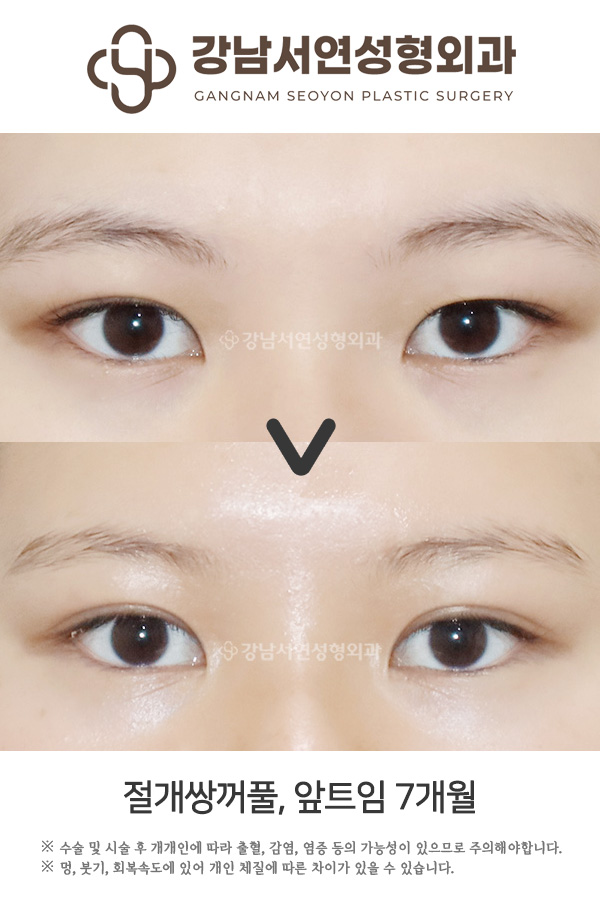
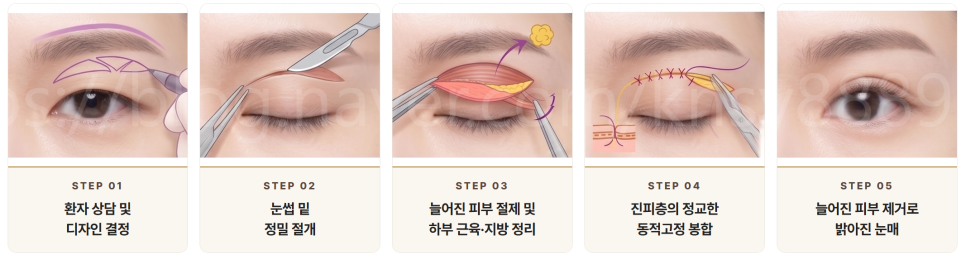
■ When the incisional method is appropriate
- The eyelid skin is thick, or there is droop requiring ptosis correction
- There is a great deal of upper eyelid fat, so the crease does not hold well
- Asymmetry between the eyes is pronounced and correction of left-right symmetry is needed
- You want a result that is maintained semi-permanently
Because the incisional method allows me to inspect and adjust the skin, muscle and fat directly, it suits the complex eyelid problems that the non-incisional method cannot resolve. In particular, when ptosis correction is also required, the non-incisional method alone does not solve the droop, so in many cases the incisional method is performed alongside it.
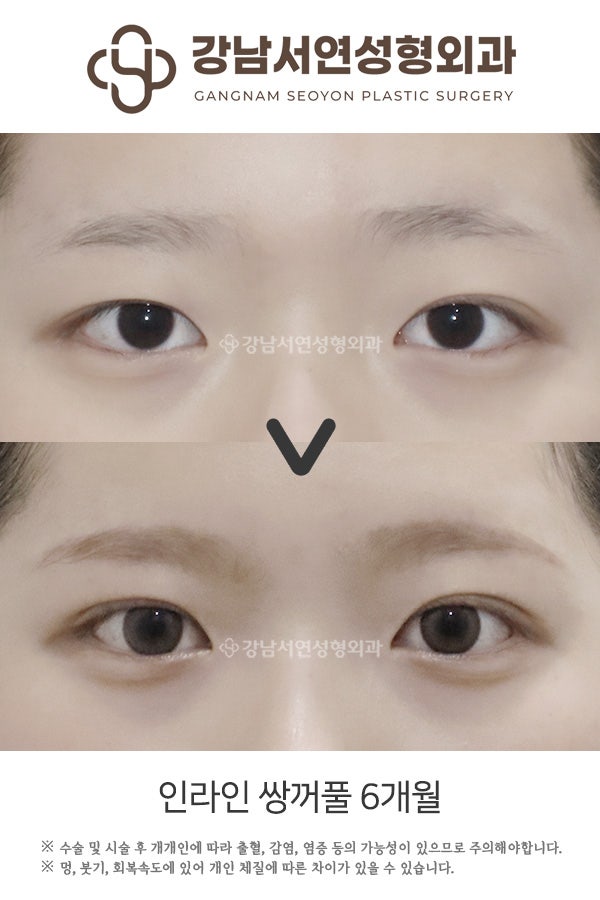
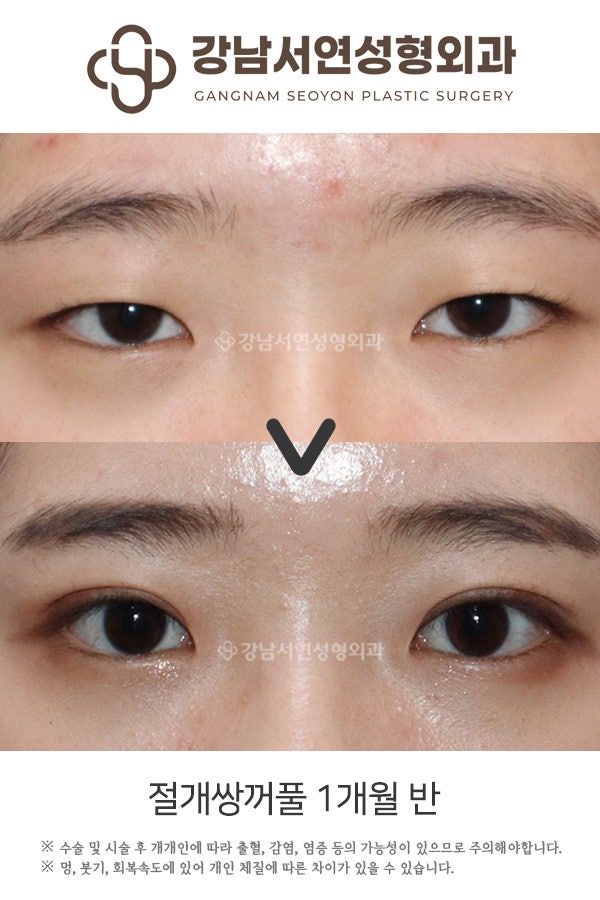
■ Comparing recovery periods
With the non-incisional method the sutures are absorbed on their own without removal, or require only minimal attention, so the return to daily life is comparatively quick. Swelling varies from person to person, but it takes about one to two weeks for the initial swelling to subside substantially.
The incisional method requires the incision site itself to heal, so swelling tends to last longer than with the non-incisional method. It is best to plan the overall recovery with some margin, taking into account the timing of suture removal and the period afterwards during which the crease settles.
With both methods there is individual variation in how long it takes the final crease to settle stably, so at your consultation you should tell me your personal schedule in advance (returning to work, important commitments) so that we can plan the recovery period together.
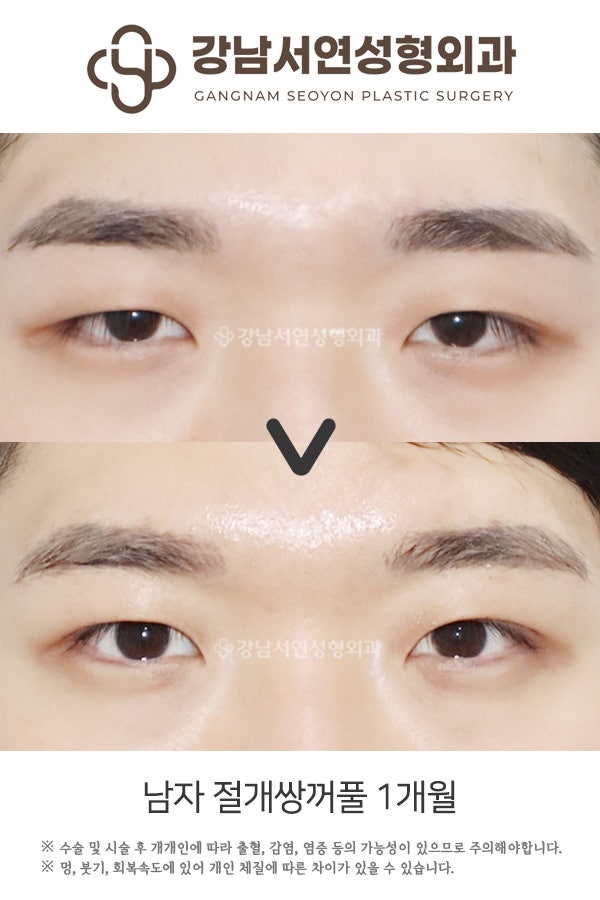
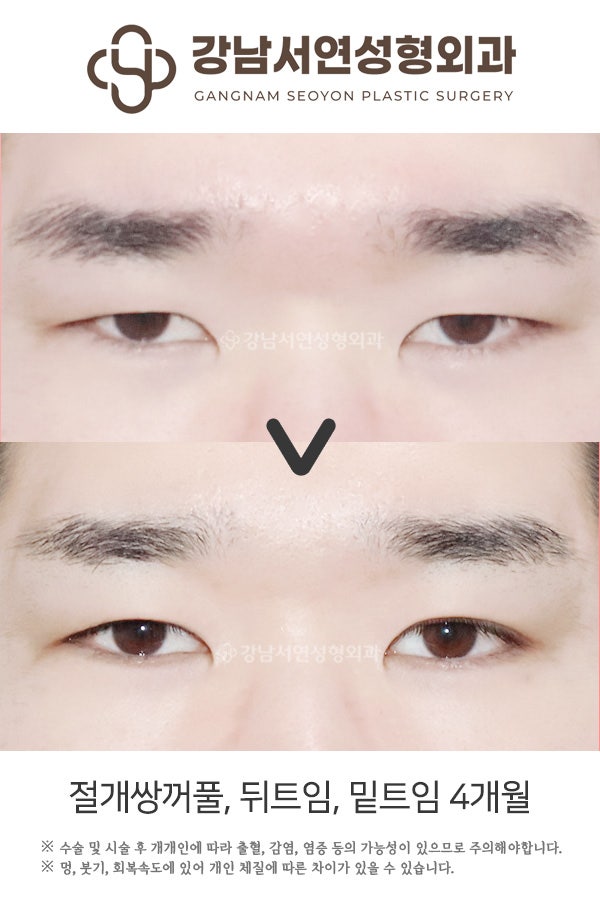
■ Three things to check before your first eyelid surgery consultation
1. How thick is my eyelid skin, and how much fat do I have?
2. Is there lid droop (do I need ptosis correction)?
3. Is there asymmetry between my two eyes, and if so, how much?
These three points are the key criteria that determine which method, non-incisional or incisional, suits you. The safest course is to establish the exact condition of your eyelids through a detailed examination in clinic, and only then decide on the method.
■ Frequently Asked Questions (FAQ)
Q. Doesn't the non-incisional method give a shorter-lasting result than the incisional method?
A. With the non-incisional method, depending on the condition of the skin, the crease may loosen over time. That said, when the eyelid is well suited to the non-incisional method, there are many cases in which it is maintained stably over the long term. Choosing the method that matches your own eyelid condition matters more for how long the result lasts.
Q. Can I start with the non-incisional method and change to the incisional method later?
A. Yes, that is possible. However, if the revision is carried out after a non-incisional crease has loosened, a precise diagnosis that takes the state of the tissue into account must come first.
Q. This is my first eyelid surgery — can the two methods be carried out together?
A. Depending on the condition of the eyelid, there are cases where I use the incisional method as the basis while also fixing the crease partially with the buried suture technique. This varies according to each patient's individual eyelid diagnosis, so it needs to be confirmed at consultation.
Q. When does the swelling go down completely?
A. The initial swelling subsides substantially within one to two weeks, but the time it takes for the residual fine swelling and the crease to settle completely differs according to the method and the individual.
■ In closing
The non-incisional and incisional methods are not a matter of one being superior to the other; they are different approaches whose suitability varies with the condition of the eyelid. If you are considering your first eyelid surgery, having your skin thickness, fat volume and degree of droop accurately diagnosed before deciding on a method is the surest way to a natural, stable result.


The photographs in this post were taken under identical conditions with the patient's prior consent.
In addition, side effects such as bleeding, infection, and inflammation may occur after plastic surgery or procedures depending on the individual, so caution is required.