

Lower Blepharoplasty vs. Lower Eyelid Fat Repositioning: Under-Eye Sagging and Dark Circles Are Not the Same Problem
To give you the bottom line first: if the under-eye skin itself has become lax and wrinkled, lower blepharoplasty is the usual consideration, whereas if the skin is still taut but the under-eye area bulges or looks shadowed like dark circles, lower eyelid fat repositioning is. The two procedures divide according to whether the problem lies in the skin or in the fat, so distinguishing the findings accurately is important.
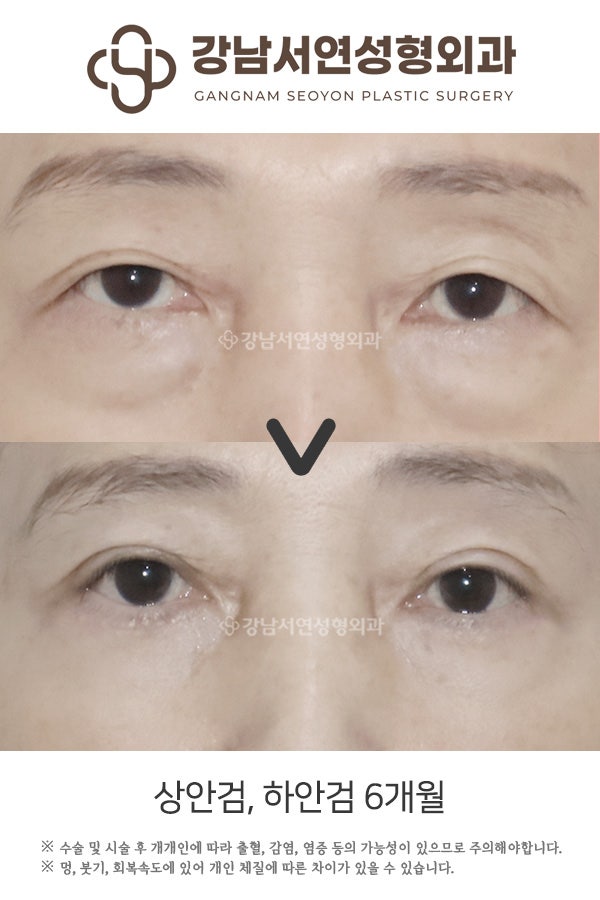
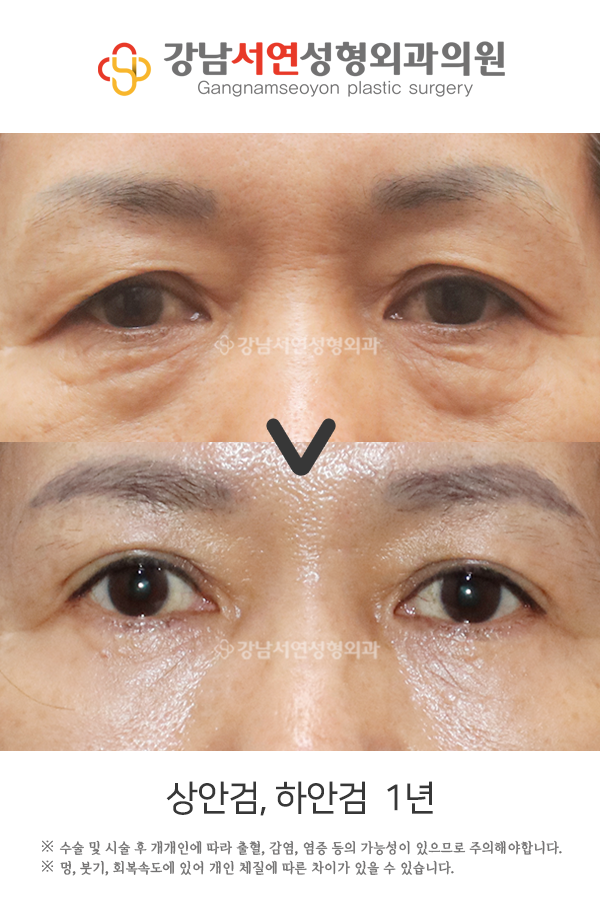
■ Why the two get confused
Under-eye sagging and shadowing may look alike, but the changes that come with age fall broadly into two categories.
- When lower blepharoplasty is indicated: the under-eye skin shows numerous fine lines and feels lax and drooping, and the skin creases when you close and open your eyes.
- When lower eyelid fat repositioning is indicated: skin elasticity is relatively well preserved, but the under-eye area protrudes and a hollow groove (the tear trough, seen as a dark circle) forms below it, casting a shadow.
In practice, skin laxity and fat herniation frequently occur together, so the consultation needs to assess both skin elasticity and the position of the fat.
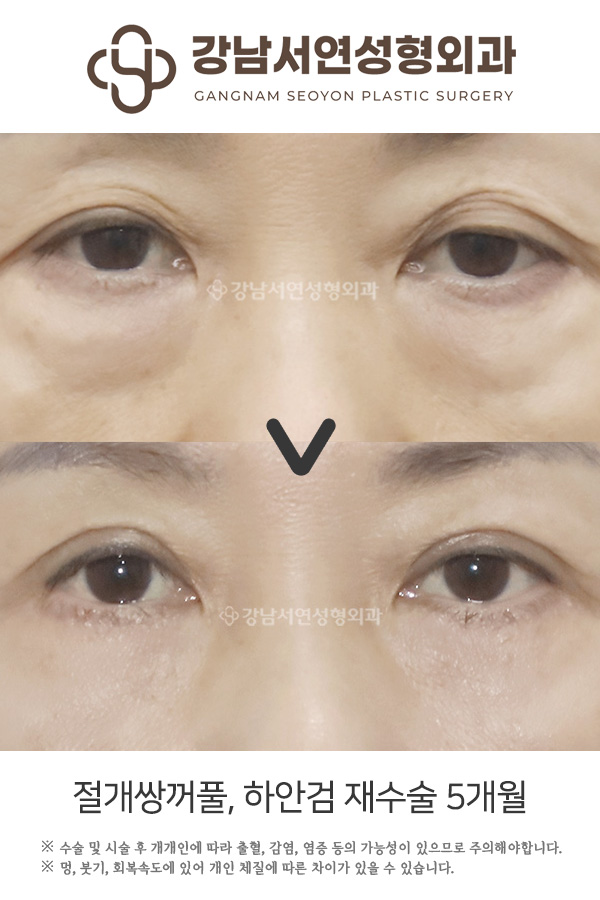
■ What lower blepharoplasty is
It is a procedure in which an incision is made along the subciliary line to trim the lax skin and a portion of the muscle. Because it removes the sagging skin itself, it focuses on improving fine lines and laxity.
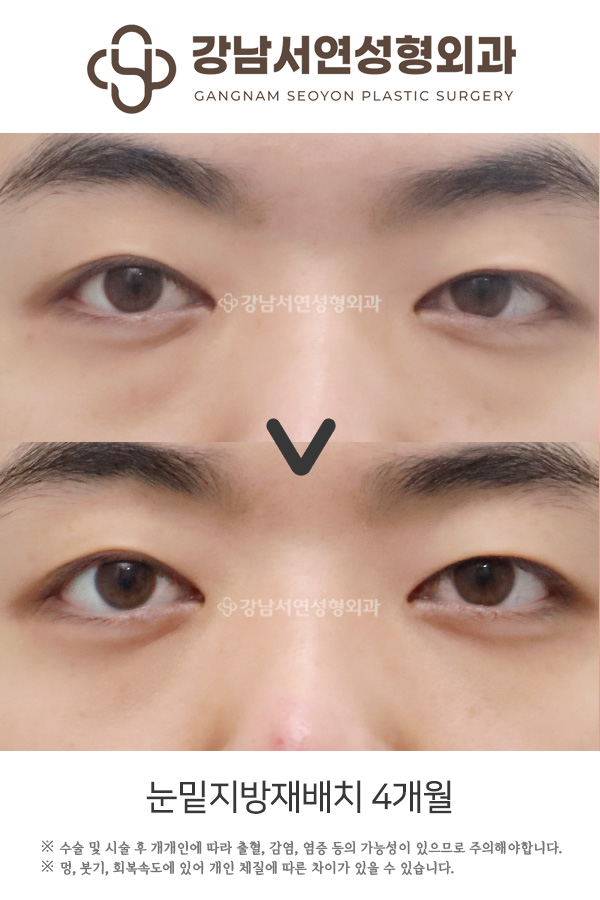
■ What lower eyelid fat repositioning is
Rather than excising the fat that bulges beneath the eye, this procedure moves it into the hollow area (the tear trough) to fill it. Because the fat is repositioned instead of removed, the approach improves the bulge and the hollow at the same time.
■ Comparing the two procedures
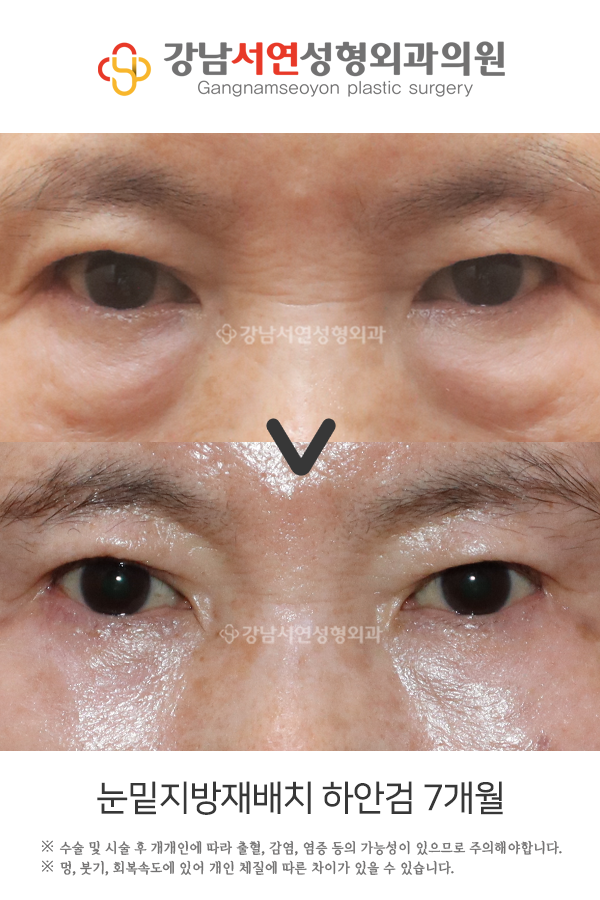
■ When both procedures are considered together
When skin laxity and fat herniation are present at once, fat repositioning alone leaves the lax skin behind, while lower blepharoplasty alone may fail to resolve the bulging fat. In such cases performing the two procedures together is sometimes considered, and because skin elasticity and fat volume differ from person to person, it is important that this be decided through a thorough examination.
■ FAQ
Q. When are lower eyelid fat repositioning and lower blepharoplasty performed together?
A. When the fat is protruding and, at the same time, skin laxity and fine lines are pronounced. Repositioning the fat alone leaves the skin laxity behind, and addressing the skin alone can leave the fat bulge, so the two are often considered together.
Q. Does lower eyelid fat repositioning get rid of the fat?
A. No. Instead of removing the fat, it moves the fat from the protruding area into the hollow groove to fill it. Removing the fat can actually deepen the hollowing over time, so repositioning is what is generally considered.
Q. If the dark circles are severe, can lower blepharoplasty alone resolve them?
A. If the dark circles stem from the shadow cast by fat herniation, improvement with lower blepharoplasty alone may be limited. In that case, considering lower eyelid fat repositioning as well addresses the underlying cause more directly.
■ In closing
Lower blepharoplasty and lower eyelid fat repositioning share the same goal of improving age-related changes under the eye, but they are procedures that approach different tissues — skin and fat. Distinguishing whether under-eye sagging and dark circles originate in the skin or in the fat is the first step toward a natural result.


The photographs in this post were taken under identical conditions with the patient's prior consent.
In addition, side effects such as bleeding, infection, and inflammation may occur after plastic surgery or procedures depending on the individual, so caution is required.