
Ptosis correction has become increasingly common.
When I started performing it 15 years ago, it was not a routine operation.
Today, ptosis correction is essentially mainstream.
In years past, when surgical correction was uncommon, women relied on makeup techniques to make the eyes appear larger. If you watch older video clips on YouTube, the celebrities of that era often look smaller-eyed or slightly sleepy compared with how they look now.
The complications from incisional ptosis correction can take many forms.
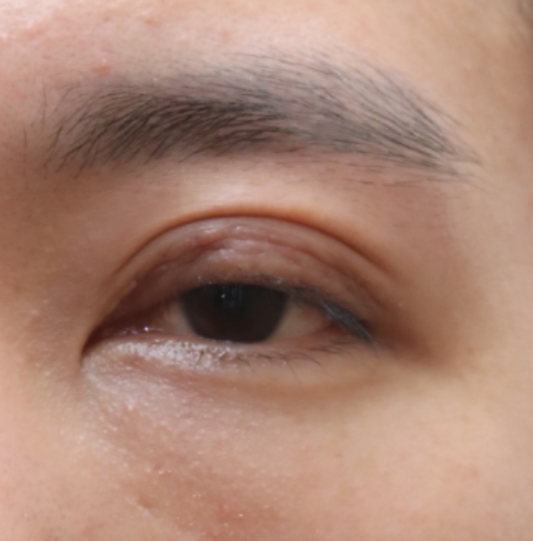
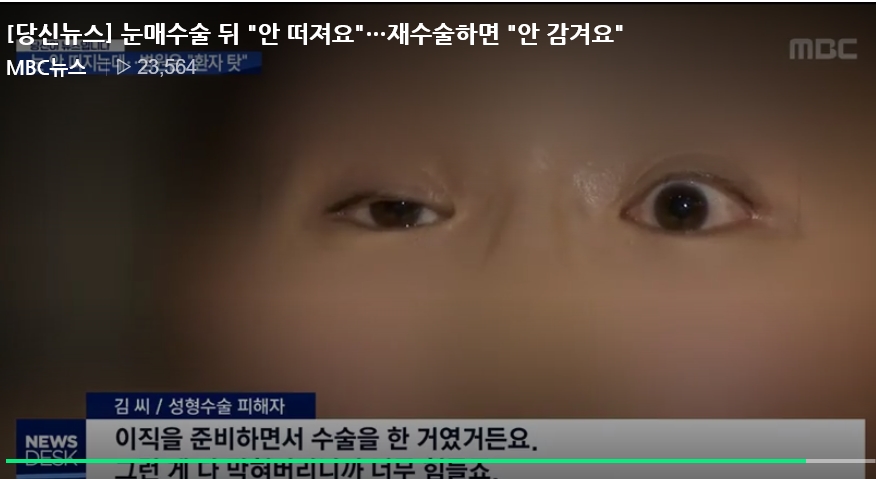
The case above is one where adhesions formed and the eye stopped opening properly.
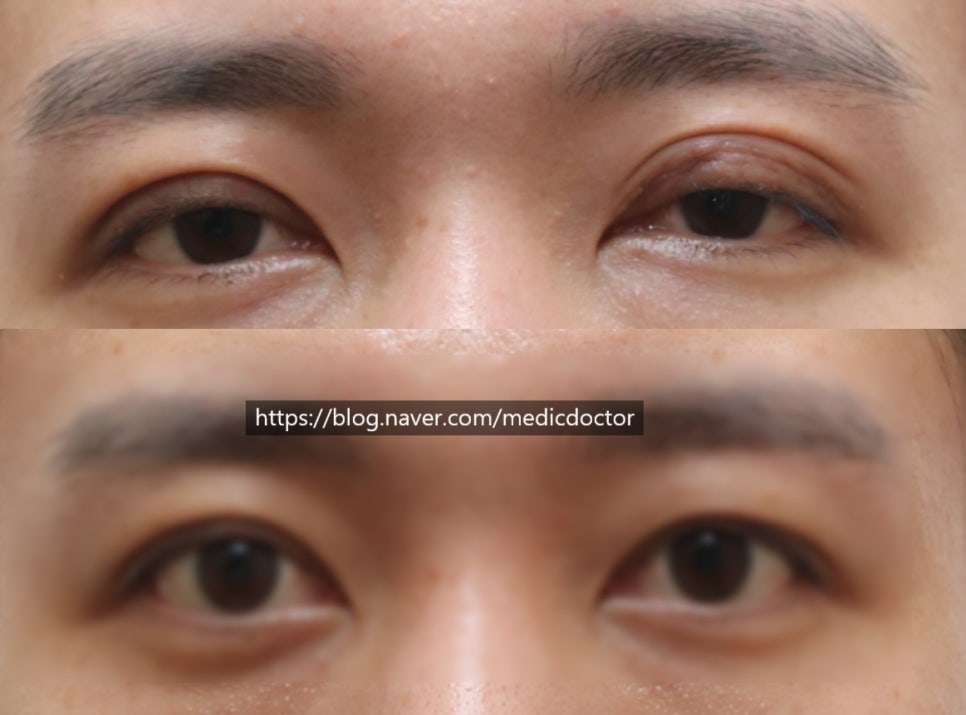
In a case like this, the fix is to release the adhesions cleanly and redo the ptosis correction correctly.
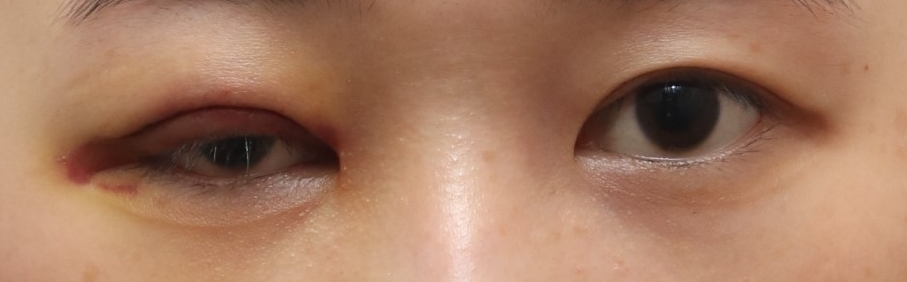
This second case is a much more difficult one. The eye-opening muscle itself was damaged in the prior surgery.
When I describe the eyelid to patients, I often compare it to a wafer cookie.
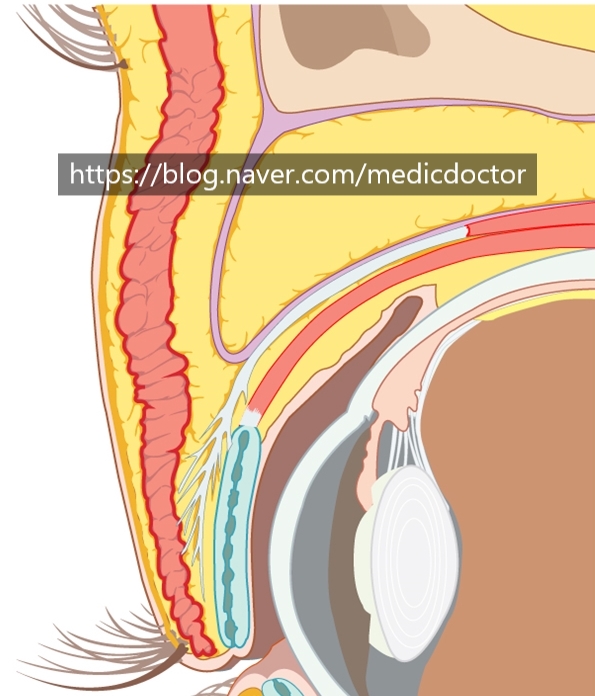
It is built up of an enormous number of thin layers.
And the whole stack is only a few millimeters thick.
Cleanly dissecting through these layers is the heart of the operation. In revisions, the layers are stuck together by scar, and separating them out without damage is the real work.
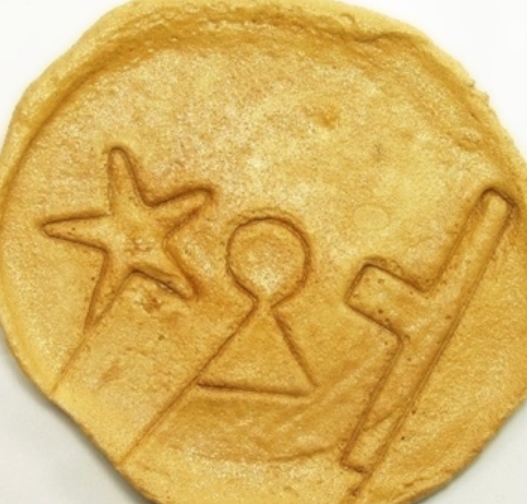
It is a bit like that childhood candy game with dalgona, where you carefully tease out the imprinted shape without breaking it.
All that said, complications from ptosis correction are uncommon.
There is no need to worry preemptively. In experienced hands, the procedure is reliable.
Planes do crash, but planes do not crash often, and air travel remains one of the safest ways we move from place to place.