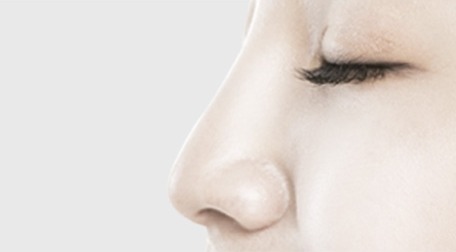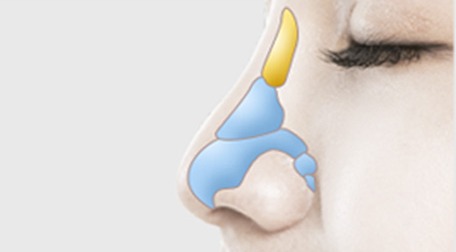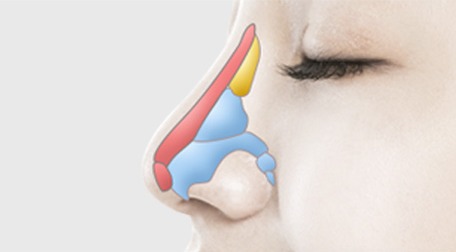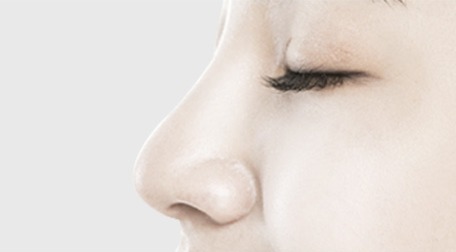
A natural and beautiful nose from the bridge to the tip
"The nose is a part of you for life. Using only your own tissue results in almost no rejection, contracture, or foreign body sensation."
— Chief Director Choi Dong-il
The before and after photos displayed are taken 6 months pre- and post-surgery. For more photos, please use the Before & After view at the top of the menu.
The before-and-after photos and videos shown here are published with the consent of patients who underwent surgery at our clinic, and are genuine, unretouched images. Any unauthorized use by other institutions will be subject to strict legal action.
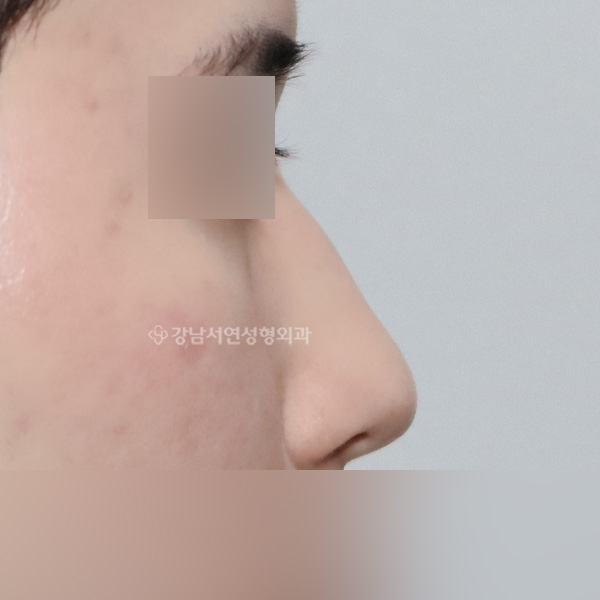
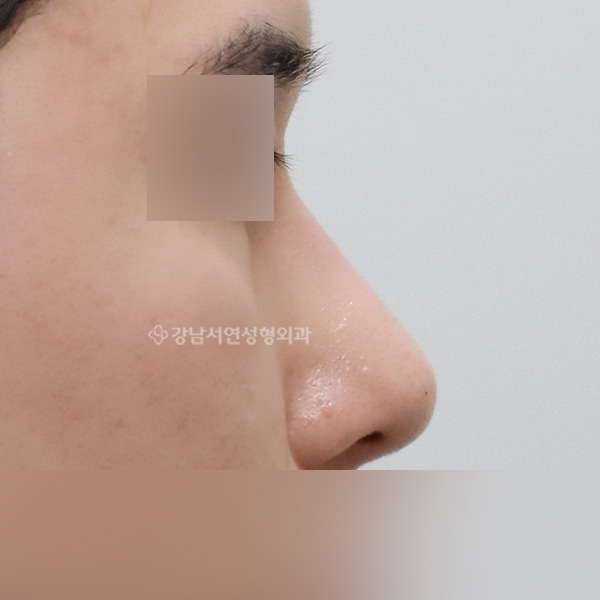
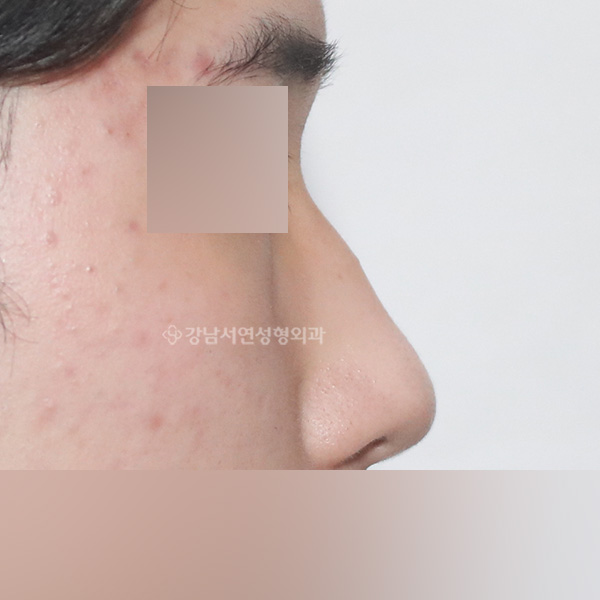
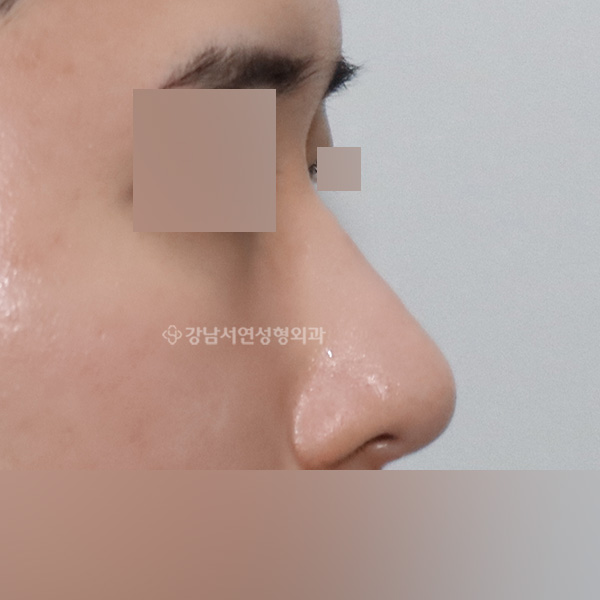
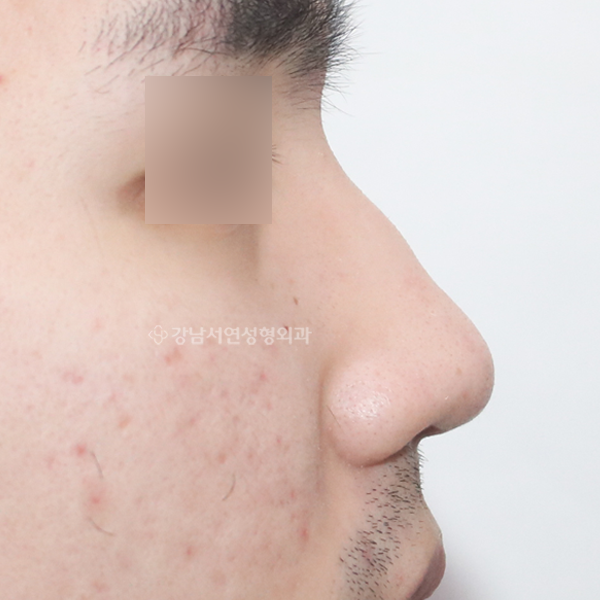
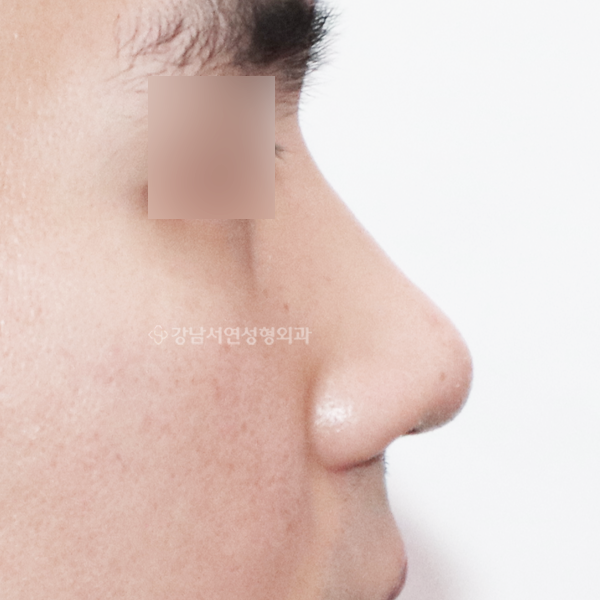
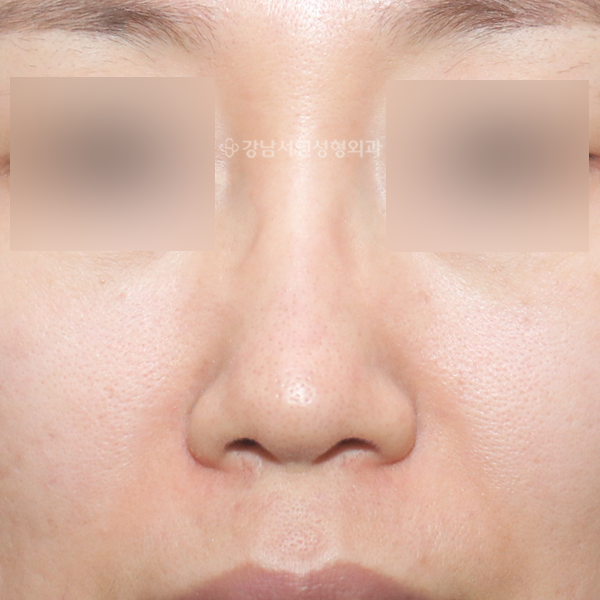
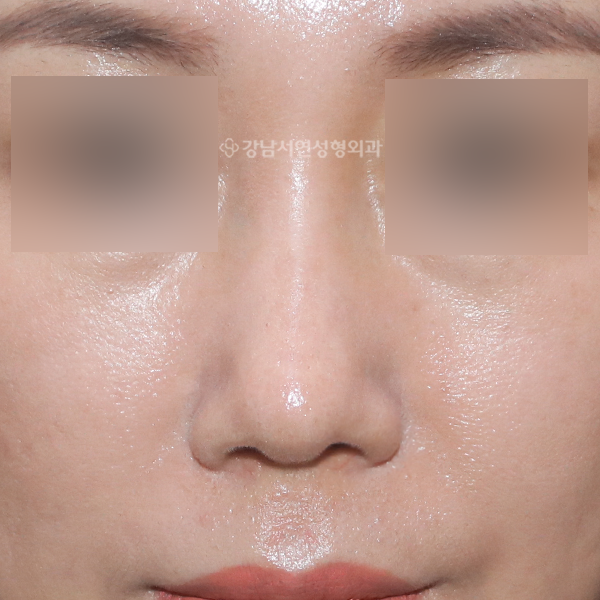
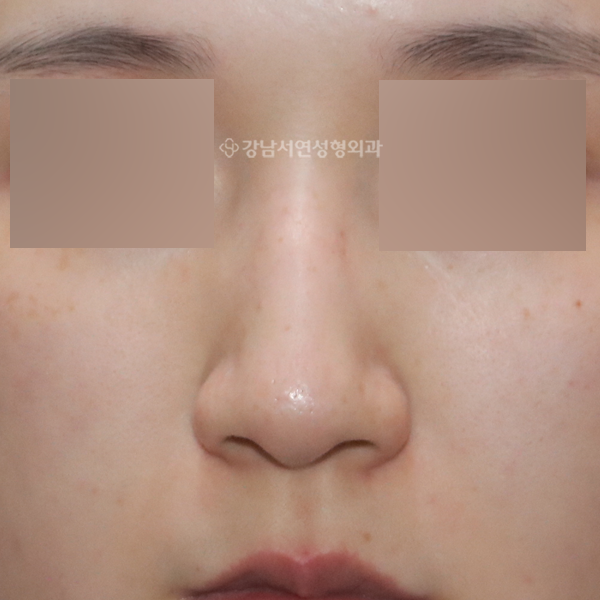
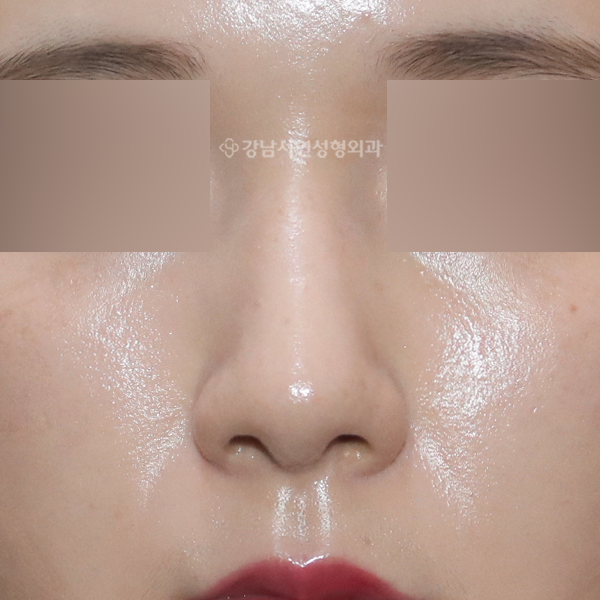
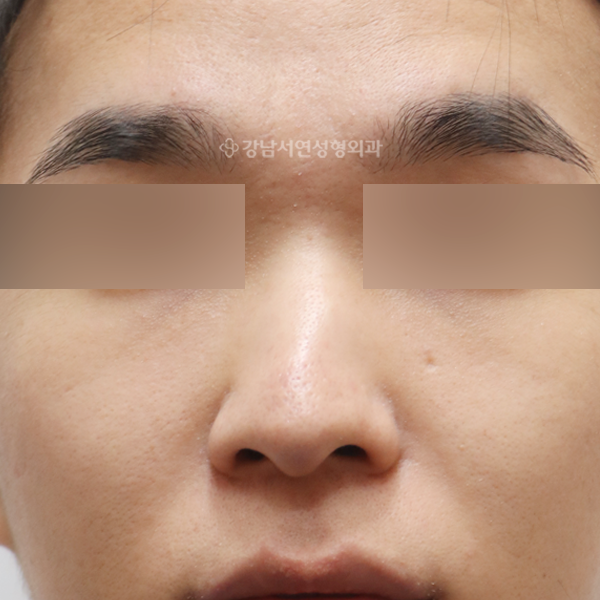
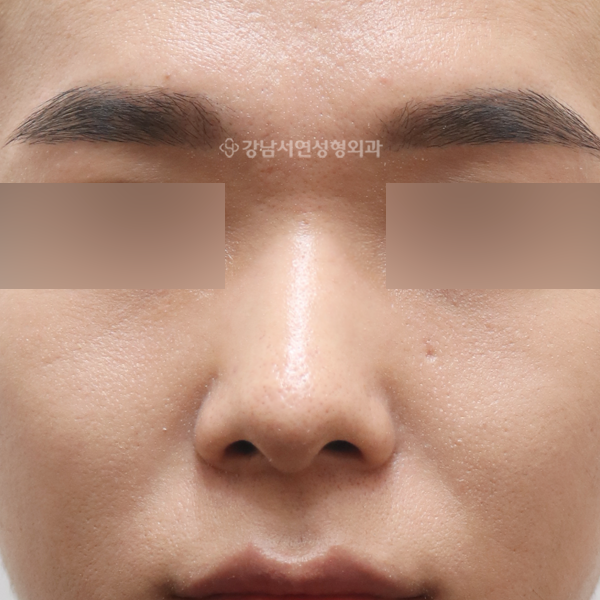
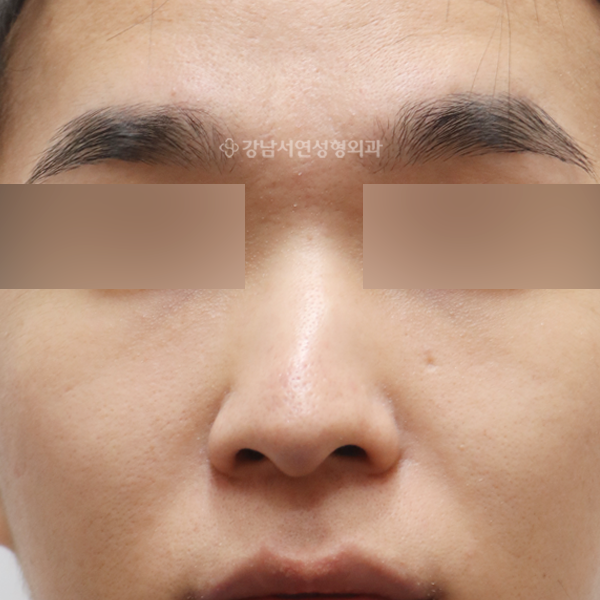
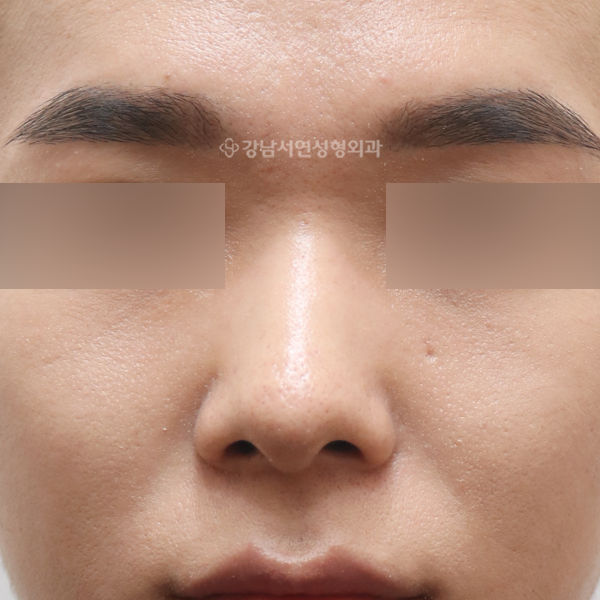
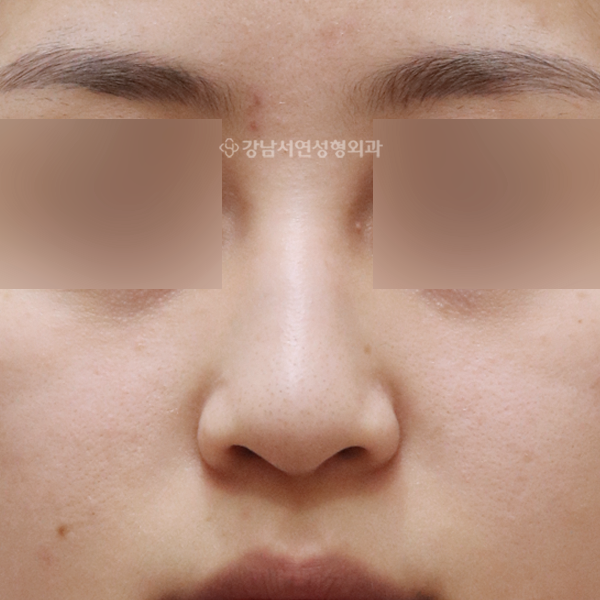
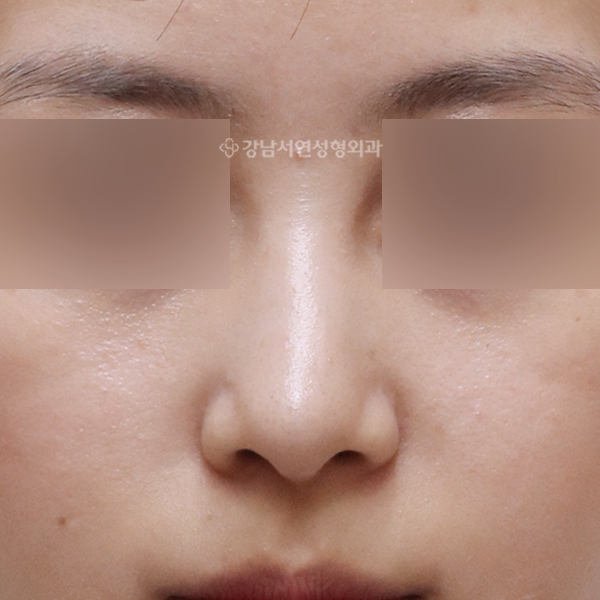
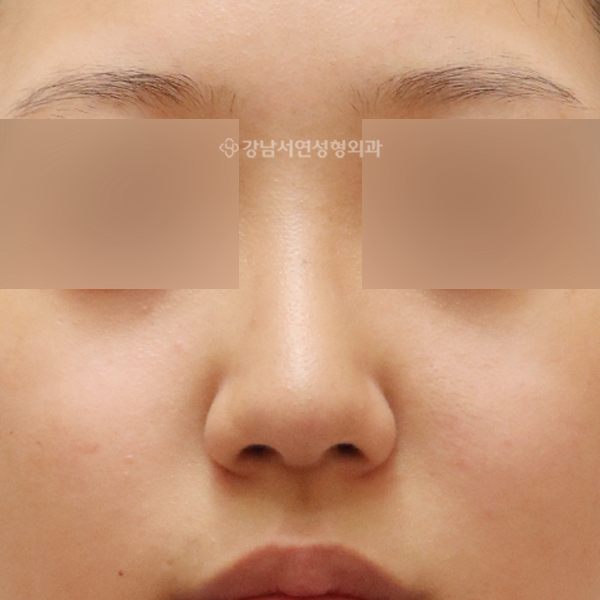
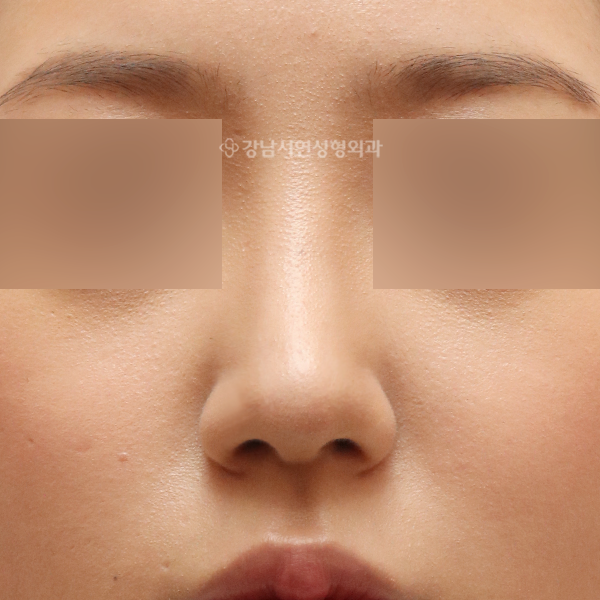
Target · Method · Effect at a Glance.
Those with a flat nose, bulbous tip, or concerns about implant visibility
Selected from septal, ear, rib cartilage, or autologous dermis according to nose condition
Non-artificial naturalness and soft touch
1:1 consultation to aftercare by Director Choi Dong-il with 23 years of experience
5 cases suitable for Gangnam Seoyon Autologous Tissue Rhinoplasty.
When the nose is overall
flat
When the nasal tip is flat and
bulbous
To implants
when there is an aversion
When the skin of the nose is
thin
When revision surgery is needed
due to side effects from a previous operation
Achieving a smooth, natural shape without implants actually requires a higher level of skill. Gangnam Seoyon has an extensive clinical background to select the right material for each nose type, as well as the expertise to harvest autologous tissue safely.
Our board-certified plastic surgeon and Chief Director handles all consultations personally and decides the material selection tailored to each nose type.
A comprehensive evaluation of nasal height, shape, and skin thickness guides us to recommend the most suitable autologous tissue.
Because the pros and cons differ by tissue type, the material must be chosen carefully after thorough diagnosis and consultation.
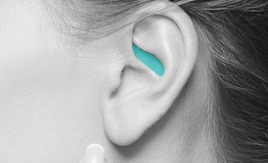
More elastic than septal cartilage and naturally curved, making it ideal for creating a natural nasal tip shape.
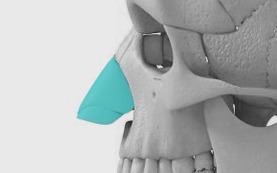
A flat, board-like cartilage standing upright within the partition between the two nostrils. Widely used as it is well suited for building nasal bridge height.
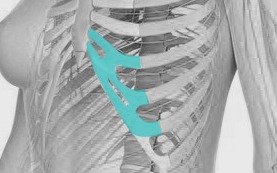
Harvested when ear or septal cartilage is insufficient; primarily used when the nose is small or very short, or when side effects from a previous surgery are severe.
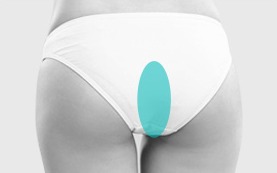
Located beneath the outermost epidermis layer, between the fat layer; it moves softly to the touch, further enhancing naturalness. Particularly recommended for those who have had inflammation caused by implants.
From a customized design based on the nasal condition to completing a natural nose line
The surgical method and materials used vary depending on nasal height, shape, and current condition. When autologous tissue is used, it is especially important to understand the characteristics of each tissue type and choose accordingly. Gangnam Seoyon establishes a thorough pre-operative plan to deliver safe and satisfying results.
4 changes delivered by Gangnam Seoyon Autologous Tissue Rhinoplasty.
Videos related to autologous tissue rhinoplasty will be updated soon.
Ask anything about Autologous Rhinoplasty.
It is safe for life with virtually no rejection, and the natural results carry little risk of long-term side effects. It alleviates concerns about inflammation, implant visibility, and other complications that can arise with artificial implants.
Cartilage is almost never absorbed. Precise design and secure fixation determine the outcome, and Gangnam Seoyon has the expertise for safe harvesting and fixation backed by extensive clinical experience.
In most cases, yes. Depending on the patient's nasal structure and skin thickness, a combination of septal cartilage, ear cartilage, rib cartilage, and autologous dermis is designed.
Major swelling subsides in about 1–2 weeks, and natural results settle at around the 3–6 month mark. Return to daily life is possible after 3–7 days.