
In autumn 2017, I gave a talk on upper blepharoplasty and ptosis in older patients at the Korean Society of Plastic and Reconstructive Surgeons (KSPRS) meeting.
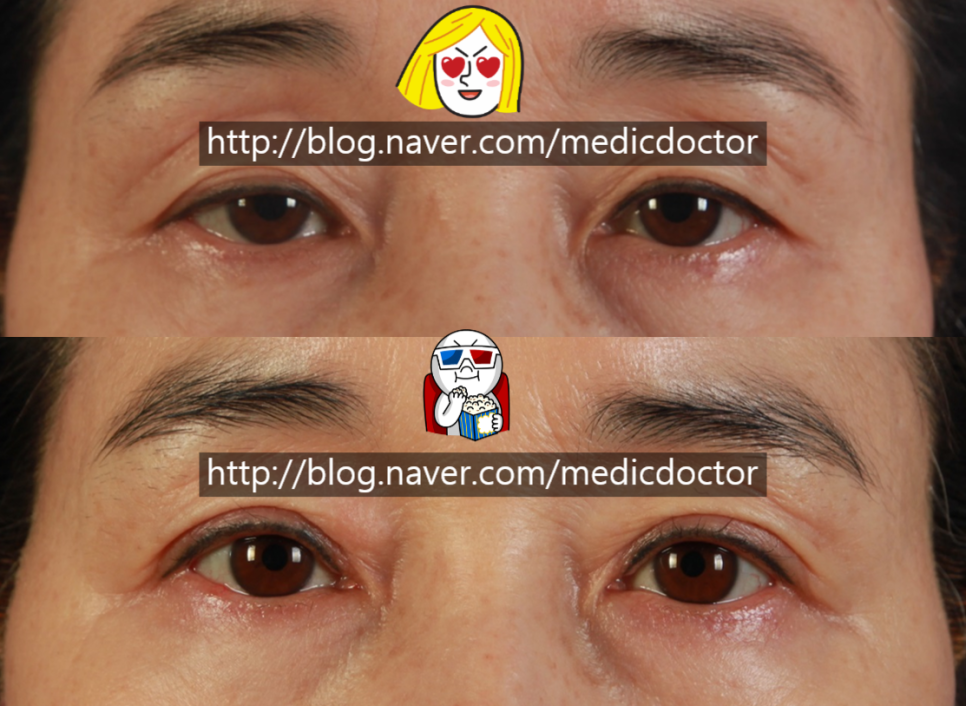
When middle-aged patients have eyelid surgery, the result often comes out looking either too sharp or unnatural, with thick fullness above the crease where the subbrow tissue sits. Fixing this can be tricky, and the wrong approach makes the eye look stiff. The talk was about how to keep the result looking natural. Older patients have a lot of skin laxity, so the goal is never to make them look like a teenager. They are not asking for that. They are asking to look like themselves, without the sagging, maybe ten years younger. When the lateral upper lid is the part that has dropped, refining the lateral aspect goes a long way.
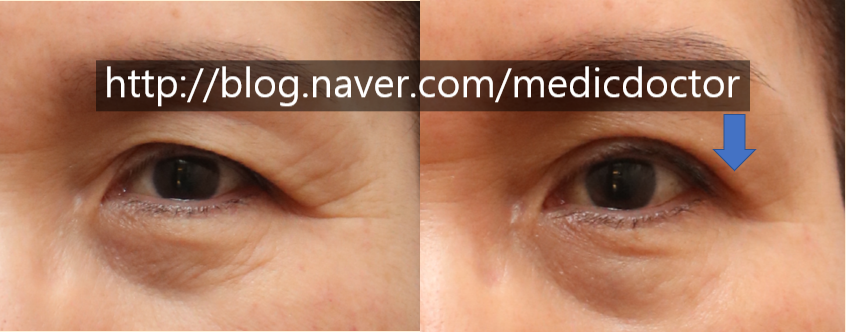
When there is asymmetry, correcting it produces a much better result. In the photo below, the right eye is smaller and the crease is shorter on that side. A ptosis correction helps in this kind of case.
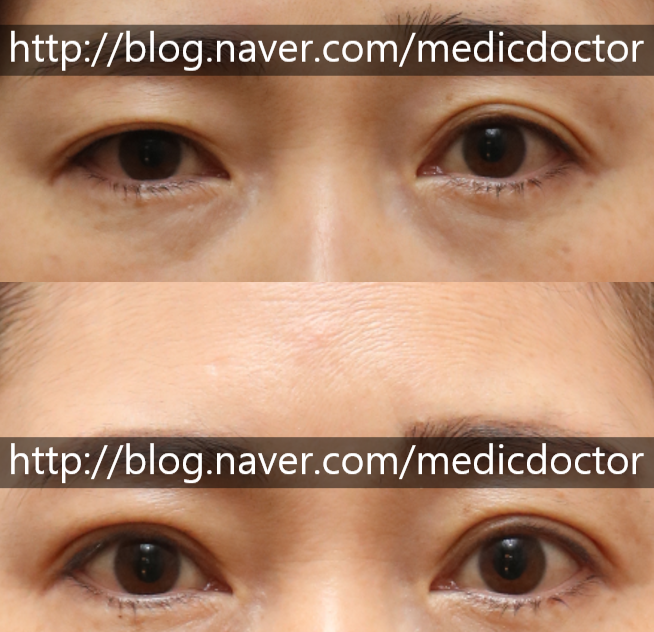
This material is based on slides from my November 2017 KSPRS presentation.
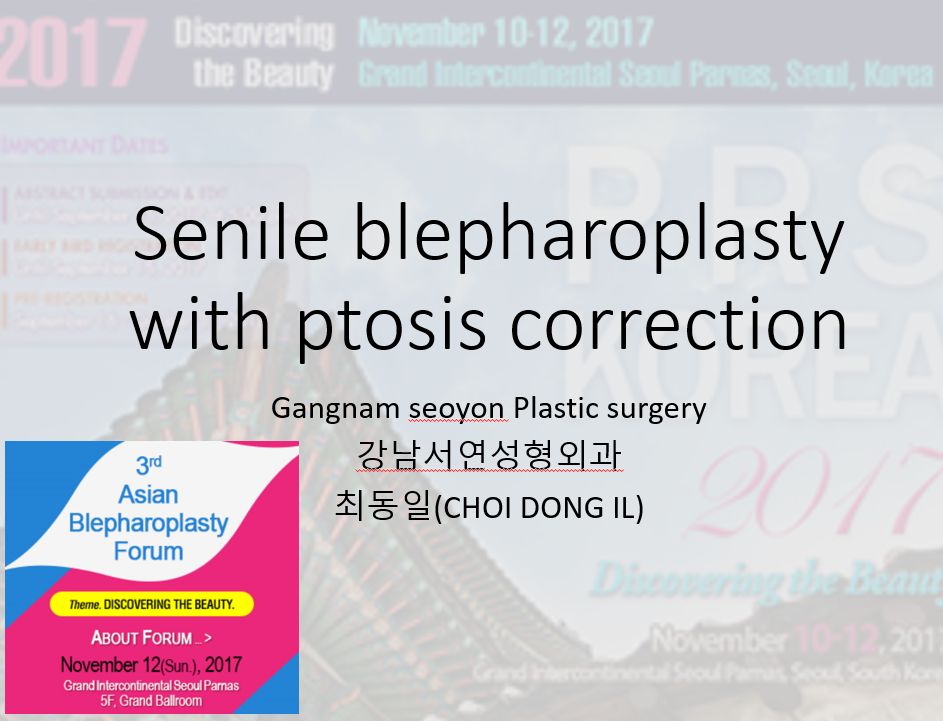
The cover slide.
The conference schedule.
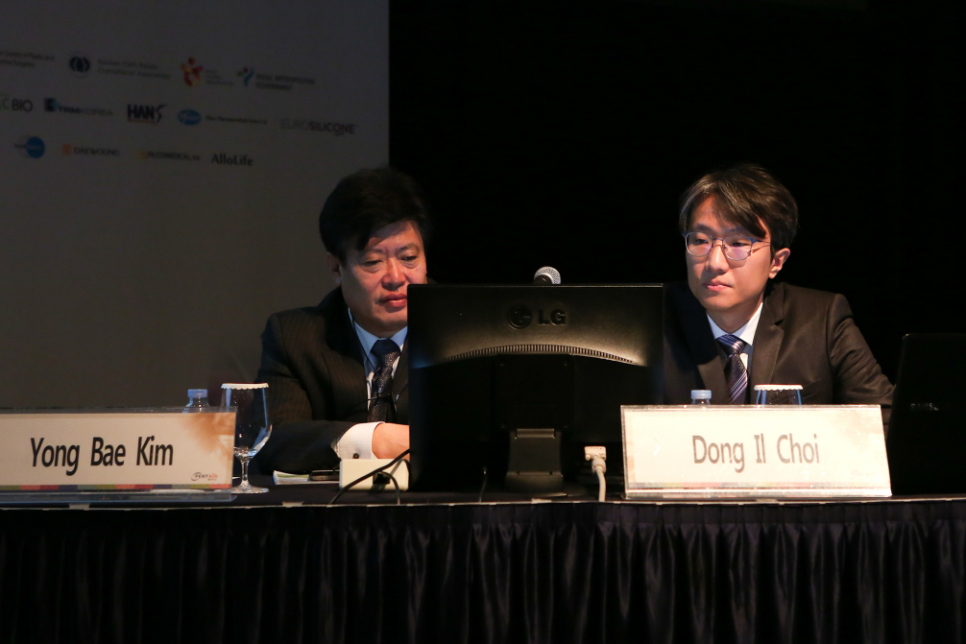
I also chaired a session at the meeting.